
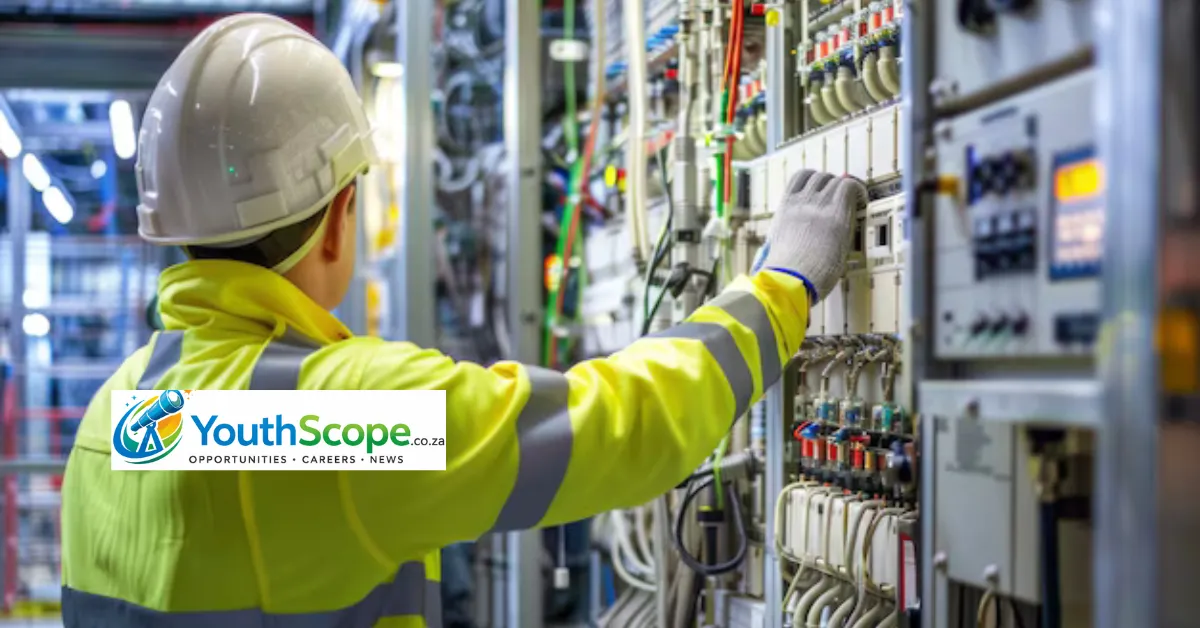
Electrical engineering is one of the most important and rapidly evolving engineering fields today. It focuses on the study and application of electricity, electronics, and electromagnetism, helping power the systems and technologies that support modern life.
At Highbury College, the Electrical Engineering National N Diploma programme prepares students with the technical knowledge and practical skills needed to work in industries such as energy, telecommunications, manufacturing, and automation.
What Is Electrical Engineering?
Electrical engineering involves designing, developing, and maintaining electrical systems and electronic technologies.
Engineers in this field work on projects such as:
- Power generation and distribution systems
- Renewable energy technologies
- Electronic circuits and devices
- Automation and industrial control systems
- Telecommunications infrastructure
Because electricity powers nearly every modern system, electrical engineers are in high demand worldwide.
Electrical Engineering Course Overview
Institution: Highbury College
Course Type: National N Diploma
Location: Pretoria
Course Duration
- 2 Years of Theoretical Study
- 24 Months of Practical Training
Available Seats
- 125 Students
Language of Instruction
- English
This programme combines classroom learning with practical industry experience, ensuring graduates are ready for real-world engineering roles.
Accreditation
The Electrical Engineering programme is recognized by key South African education authorities:
- Department of Higher Education and Training (DHET)
- South African Qualifications Authority
SAQA Qualification IDs
- Level 4: SAQA ID 66881
- Level 5: SAQA ID 66960
- Level 6: SAQA ID 67005
These qualifications ensure the programme meets national education standards.
Career Opportunities for Electrical Engineering Graduates
Graduates of electrical engineering programmes can pursue careers across multiple industries.
1. Electrical Engineer
Design and implement electrical systems used in construction, manufacturing, and infrastructure projects.
2. Power Systems Engineer
Work on optimizing power generation, transmission, and distribution networks, including opportunities with companies like Eskom.
3. Electronics Engineer
Design electronic devices used in consumer electronics, telecommunications, and automotive industries.
4. Control Systems Engineer
Develop automated systems used in industrial manufacturing and robotics.
5. Renewable Energy Engineer
Work on solar, wind, and other sustainable energy technologies as South Africa transitions toward renewable energy.
6. Field Service Engineer
Provide technical support, maintenance, and installation of electrical and electronic equipment.
Youthscope QUICK LINKS:
Industries That Hire Electrical Engineers
Electrical engineers can work in many sectors, including:
- Energy and utilities
- Manufacturing and industrial production
- Telecommunications
- Aerospace and defence
- Healthcare technology
- Renewable energy
This wide industry demand makes electrical engineering a versatile and rewarding career choice.

Why Study Electrical Engineering?
Studying electrical engineering offers many benefits:
✔ High demand for skilled engineers
✔ Opportunities to work in multiple industries
✔ Strong earning potential
✔ Opportunities to work on innovative technologies
✔ Contribute to renewable and sustainable energy development
Submit Your Application for Electrical Engineering
Frequently Asked Questions (FAQ)
1. How long does the Electrical Engineering course take?
The programme includes 2 years of theoretical study and 24 months of practical training.
2. Is the course accredited?
Yes. The programme is accredited by the Department of Higher Education and Training and registered with South African Qualifications Authority.
3. Where can electrical engineering graduates work?
Graduates can work in industries such as energy, telecommunications, manufacturing, and renewable energy.
4. How many seats are available in the programme?
The programme currently offers 125 student seats.
5. What qualification will I receive?
Students receive a National N Diploma in Electrical Engineering.
Final Thoughts
Electrical engineering remains one of the most valuable technical careers in South Africa. With increasing demand for energy infrastructure, automation systems, and renewable technologies, qualified engineers are needed more than ever.
Studying the Electrical Engineering programme at Highbury College can open the door to exciting career opportunities across multiple industries.
Recent Posts
- Highbury College Courses (2026): Engineering, IT & Safety Programmes You Can Study in South Africa
- L&D Programme Coordinator Learnership at Mr Price Group (Durban) – Apply Now
- Financial Services Learnership 2026: Opportunities in Kokstad, Mthatha & Queenstown
- Graduate Industrial Engineer Trainee at Feltex (2026): Kickstart Your Automotive Engineering Career
- Remote Social Media Marketing Internship (2026): Launch Your Digital Career from Home