
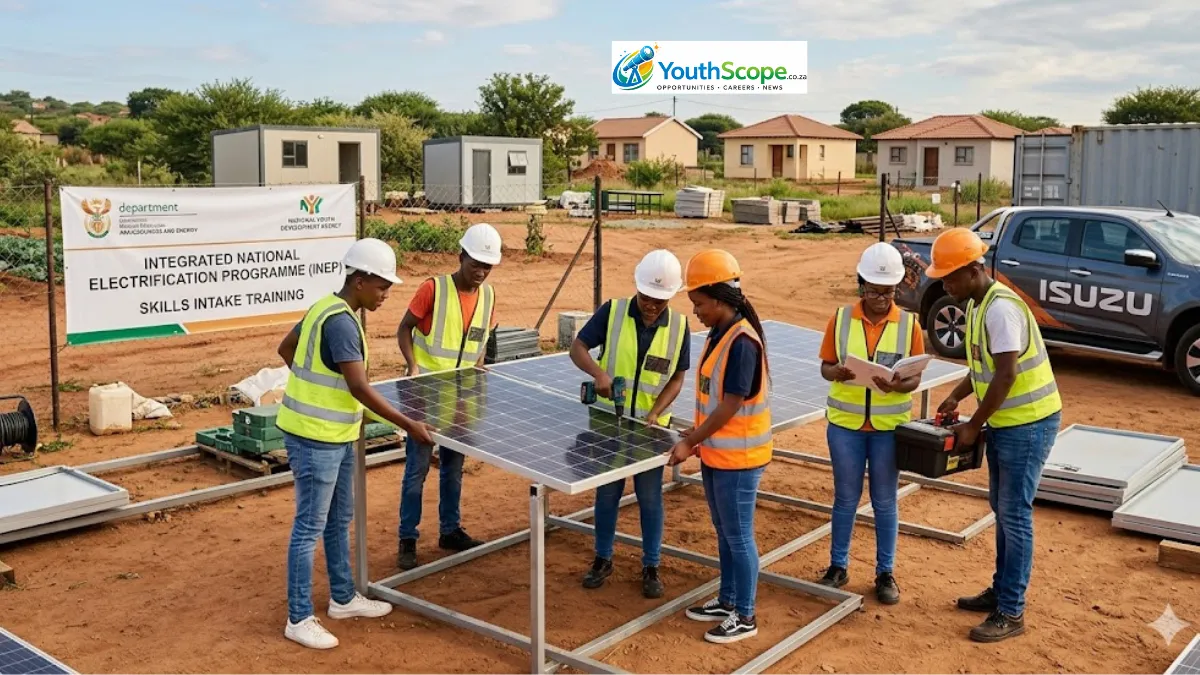
Introduction: Why Government Programmes Matter in South Africa
Government programmes in South Africa play a major role in helping young people transition from education into the working world. Every year, thousands of opportunities are offered through government departments, municipalities, SETAs, and public entities.
These programmes are especially important because they provide skills, qualifications, income support, and work experience to unemployed youth.
If you are between 18 and 35 years old and looking for a way to start your career, government programmes can be one of the most reliable pathways.
1. Government Internships: Work Experience for Graduates
Government internships are designed for people who have completed a Diploma, Degree, or Honours qualification but still need workplace experience.
What is a Government Internship?
An internship is a structured training programme where graduates work in a real government environment while learning practical job skills.
Key Benefits:
- 12 to 24 months of work experience
- Monthly stipend (not a salary)
- Mentorship from experienced professionals
- Exposure to government systems and operations
Common Fields:
- Finance and Accounting
- Human Resources
- Administration
- ICT and Data Management
- Public Management
Internships are very important because many employers require experience before hiring graduates, and these programmes help bridge that gap.
2. Learnerships: Study While You Work
Learnerships are one of the most powerful youth development programmes in South Africa.
What is a Learnership?
A learnership combines:
- Classroom learning
- Practical workplace training
- A nationally recognised qualification (NQF certificate)
Who Can Apply?
- Matric or Grade 9–12 (depending on programme)
- Unemployed youth
- People willing to learn and work
Benefits of Learnerships:
- You earn while learning
- You gain a qualification
- You gain real job experience
- You improve your chances of employment
Popular Learnership Fields:
- Retail and wholesale
- IT and computer skills
- Engineering support
- Business administration
- Safety and security
Learnerships are ideal for young people who want both skills and qualifications at the same time.
3. Bursaries: Funding Your Studies
Bursaries are financial support programmes that help students pay for higher education.
What is a Bursary?
A bursary is funding provided by government departments or companies to help students study at universities or colleges.
What It Covers:
- Tuition fees
- Accommodation (sometimes)
- Study materials or books
Who Can Apply?
- Matric learners or university students
- Students with good academic results
- Students studying in priority fields
Common Study Fields Funded:
- Accounting
- Engineering
- Agriculture
- Public Administration
- Information Technology
Bursaries are very important because they reduce the financial pressure of studying and help more students complete their education.
4. Entry-Level Government Jobs
Government also offers entry-level jobs for people who may not have higher education but are ready to work.
Examples of Entry-Level Jobs:
- General workers
- Cleaners and maintenance assistants
- Admin support staff
- Water control assistants
- Municipal support roles
Requirements:
- Grade 12 or ABET (depending on job)
- Willingness to work
- Basic communication skills
Benefits:
- Stable monthly salary
- Pension and benefits (in many cases)
- Job security compared to temporary work
- Opportunity for promotions
These jobs are a great starting point for building a long-term career in government.
5. EPWP and Public Works Programmes
The Expanded Public Works Programme (EPWP) is another major government initiative.
What is EPWP?
It is a short-term work programme that creates temporary jobs while giving people work experience.
What You Do:
- Community projects
- Cleaning and maintenance
- Environmental work
- Basic infrastructure support
Why It Matters:
- Helps reduce unemployment
- Builds basic work skills
- Provides temporary income
EPWP is often the first step for people entering the job market.
6. Why Government Programmes Are Important
Government programmes are not just jobs or training — they are part of South Africa’s strategy to fight unemployment.
Main Benefits:
- Skills development for youth
- Work experience for graduates
- Financial support for students
- Job creation in communities
- Career development pathways
These programmes help connect education with real job opportunities.
7. How to Choose the Right Programme
Choosing the right programme depends on your situation:
If you are still in school:
- Apply for bursaries
- Look into learnerships
If you just finished matric:
- Learnerships
- EPWP jobs
- Entry-level government jobs
If you are a graduate:
- Internships
- Graduate trainee programmes
If you need immediate income:
- General worker jobs
- Public works programmes
Choosing correctly increases your chances of success.
8. Tips to Improve Your Application Success
Many people apply for government programmes, so it is important to stand out.
Helpful Tips:
Prepare Documents Early
- Certified ID copy
- Updated CV
- Qualifications
Apply to Multiple Opportunities
Don’t rely on one application.
Follow Instructions Carefully
Incorrect applications are often rejected.
Keep Your CV Simple and Clear
Focus on:
- Education
- Skills
- Any experience (even informal work)
Apply Before the Deadline
Late applications are not accepted.
9. Common Mistakes to Avoid
Many applicants lose opportunities due to simple errors:
- Missing documents
- Incorrect email subject lines
- Not reading requirements
- Submitting late applications
- Applying for jobs they don’t qualify for
Avoiding these mistakes improves your chances significantly.
Where to Find Government & Public Sector Learnerships
You do not need to rely on a single portal; several platforms aggregate these opportunities:
- Official Government Jobs (gov.za): This is your primary resource. Government departments, both national and provincial, advertise their learnerships and internships on their specific department websites and the Public Service Vacancy Circular (PSVC).
- Employment Services of South Africa (ESSA): Registering as a work-seeker at your nearest Department of Labour office or via their online portal allows employers to find you for potential opportunities.
- SA Youth (sayouth.mobi): A government-led initiative (National Pathway Management Network) that links young people to learning and work opportunities. It is free to use and highly recommended for youth.
- SETA Websites: Sector Education and Training Authorities (SETAs) often manage learnerships in their specific sectors (e.g., Services SETA, MICT SETA, PSETA). Checking the websites of SETAs relevant to your field of study or interest is a proactive way to find openings.
Recommended Steps to Take Now
- Register on SA Youth: Create a profile on the SA Youth platform. It is specifically designed to match your profile with available opportunities, including learnerships and internships.
- Visit Individual Department Websites: If you have a specific interest (e.g., Water and Sanitation, Public Works), check their “Vacancies” or “Careers” pages directly. They often post opportunities that are not aggregated on larger job boards.
- Prepare Your Documentation: Government applications typically require the Z83 form (for public service roles) along with a CV and certified copies of your qualifications. Always ensure these are updated and ready to go.
- Use Reputable Aggregators: Websites like StudentRoom.co.za or YouthVillage often list current learnerships. While these are convenient, always verify the application link leads to an official government or reputable corporate website to avoid scams.
A note on safety: Please remember that government learnership applications are always free. If any website asks you to pay a fee to apply, access a form, or “guarantee” a placement, it is a scam. Never pay for employment or training opportunities.
Conclusion: Your Future Starts with the Right Opportunity
Government programmes in South Africa provide one of the best ways for young people to start building a future. Whether it is through internships, learnerships, bursaries, or entry-level jobs, each programme offers a stepping stone toward long-term success.
The most important thing is to stay consistent, apply often, and keep improving your skills.
With the right effort and preparation, these programmes can help you move from unemployment to a meaningful career path.
You can also Check:
FAQ: Government Programmes in South Africa
1. What are government programmes?
They are training, work, or funding opportunities offered by government departments to help youth gain skills and jobs.
2. Who can apply?
Mostly South African citizens aged 18–35, depending on the programme.
3. Do I get paid?
Yes, internships, learnerships, and some jobs offer stipends or salaries.
4. Do I need experience?
No, many programmes are designed for first-time job seekers.
5. What is the best programme to start with?
It depends on your level:
- Matric → Learnerships
- Graduate → Internships
- Studying → Bursaries
- No qualification → EPWP or entry jobs

Mbalizuke Nkosi is the editorial voice behind YouthScope.co.za, a South African youth-focused platform dedicated to providing reliable information on opportunities, education, and career development. The platform serves students, graduates, job seekers, and young professionals by delivering accurate, timely, and easy-to-understand content.
Through informative and professionally curated content, YouthScope.co.za aims to equip young people with the knowledge and resources needed to make informed decisions about their education and future careers.
For inquiries or support, please contact admin@youthscope.co.za.