Category Archives: Career Guides

From SASSA to Salary: How Learnerships Are Helping Young South Africans Find Jobs

From SASSA to Salary: How Learnerships Change Lives

For many unemployed young South Africans, receiving a SASSA grant provides short-term financial relief. However, most young people dream of something more permanent—a stable income, meaningful work, and the opportunity to build a better future.

One of the most effective pathways from unemployment to employment is through learnership programmes. Every year, government departments, state-owned entities and private companies recruit thousands of young people into learnerships that combine formal training with practical workplace experience.

For many participants, these programmes become the bridge from relying on social assistance to earning a regular salary.

Why Learnerships Matter

South Africa continues to face one of the highest youth unemployment rates in the world. Many matriculants and graduates struggle to secure employment because employers often require practical work experience.

Learnerships are designed to close this gap by combining accredited training with real workplace exposure. Participants develop technical skills, gain industry knowledge and improve their chances of finding permanent employment after completing the programme.

Many employers also use learnerships to identify talented individuals for future vacancies.

More Than Just a Qualification

A learnership offers more than classroom learning. Participants often gain:

  • Workplace experience
  • Professional references
  • Industry-recognised qualifications
  • Improved confidence
  • Communication and teamwork skills
  • Exposure to real business environments

These experiences help young people compete more effectively in South Africa’s job market.

Financial Independence Starts Somewhere

Most learnerships provide a monthly stipend to help learners cover transport, meals and other daily expenses during training. While the amount varies depending on the employer and programme, receiving a regular stipend is often the first consistent income many participants have earned.

For some, this means contributing to household expenses. For others, it provides an opportunity to save money, improve their living conditions or continue their education.

Although not every learnership leads directly to permanent employment, the workplace experience gained can significantly improve future job prospects.

Industries Offering Learnerships

Learnership opportunities are available across many sectors, including:

  • Banking and finance
  • Information Technology
  • Retail
  • Mining
  • Engineering
  • Manufacturing
  • Logistics
  • Telecommunications
  • Healthcare
  • Public Service
  • Energy
  • Security
  • Hospitality

This wide range of industries allows applicants to pursue careers aligned with their interests and qualifications.

Tips for Securing a Learnership

Competition for learnerships is high, so preparation is essential.

To improve your chances:

  • Keep your CV updated.
  • Prepare certified copies of your documents.
  • Apply before the closing date.
  • Read the eligibility requirements carefully.
  • Tailor your application for each opportunity.
  • Check official employer websites regularly for new openings.
  • Be honest about your qualifications and experience.

Your First Opportunity Could Change Everything

Every successful career starts with a first opportunity. While a learnership does not guarantee permanent employment, it provides valuable experience, recognised training and professional development that many employers value.

For thousands of South Africans, a learnership has been the first step towards financial independence and long-term career growth.

If you’re currently unemployed and meet the requirements, applying for learnerships consistently can increase your chances of finding meaningful employment.

Expert Guidance

Career Advice by Mbalizuke Nkosi

Career expert Mbalizuke Nkosi advises young job seekers not to wait until the closing date to submit applications. Keep your CV updated, have certified copies of your qualifications and identity document ready, and apply only through official employer recruitment platforms. Consistency is key—apply for opportunities that match your qualifications and continue building your skills while searching for work.

Explore Related Opportunities

Ready to take the next step in your  career? Browse these categories to find your perfect fit:

Career pathway planning

Explore More Opportunities Here2026
InternshipsBursaries
LearnershipsSETAs
General Worker JobsCareer Guides
ApprenticeshipsStudent News
ScholarshipsFellowships
Government VacanciesTraining Programmes

View All Youth Opportunities

Frequently Asked Questions

What is a learnership?

A learnership is a structured programme that combines accredited training with workplace experience, leading to a nationally recognised qualification.

Do learnerships pay a stipend?

Many learnerships offer a monthly stipend, but the amount depends on the employer and programme.

Who can apply for learnerships?

Eligibility varies, but many programmes target unemployed South African citizens who meet the required age and qualification criteria.

Can a learnership lead to permanent employment?

Some participants are offered permanent positions after completing their learnership, while others use the experience to secure jobs elsewhere.

Can graduates apply for learnerships?

Yes. Some learnerships are designed specifically for graduates, while others require only a Matric certificate or a TVET qualification.

Where can I find legitimate learnerships?

Visit official employer websites, government departments, SETAs and trusted career platforms like YouthScope to find verified opportunities.

Disclaimer

YouthScope shares employment, internship, bursary and learnership opportunities from official employers to help South Africans access career opportunities. We are not the recruiting organisation and do not charge any application fees. Always verify information on the employer’s official website before submitting your application.

First Job CV Guide South Africa: How to Create a Strong CV Without Experience

Finding your first job can be challenging when employers ask for experience, but having no formal work history does not mean you cannot create a strong CV.

Many South African young people apply for learnerships, internships, graduate programmes, apprenticeships and entry-level jobs without previous employment experience.

A well-written CV can highlight your education, skills, achievements, volunteer work, projects and potential.

Your CV is your first opportunity to show employers why you deserve a chance.

What Should You Include in a CV With No Experience?

A CV without work experience should focus on your strengths, qualifications and transferable skills.

Instead of leaving your CV empty, include sections that show your ability, commitment and readiness to learn.

1. Add Your Personal Details

At the top of your CV include:

  • Full name
  • Phone number
  • Professional email address
  • Location (City and Province)
  • LinkedIn profile (if available)

Example:

Name: Thabo Mokoena
Phone: 072 XXX XXXX
Email: thabomokoena@email.com
Location: Polokwane, Limpopo

Avoid including unnecessary personal information such as:

  • Identity number
  • Religion
  • Marital status
  • Race
  • Full home address

2. Write a Strong Personal Profile

The personal profile is one of the most important sections for someone with no experience.

Use it to explain:

  • Who you are
  • Your qualifications
  • Your career goals
  • Your willingness to learn

Example:

Motivated and hardworking South African youth with a Grade 12 qualification and strong communication skills. Interested in gaining workplace experience through an entry-level position or learnership opportunity. Quick to learn, reliable and committed to personal and professional development.

3. Highlight Your Education

For young job seekers, education is often your strongest qualification.

Include:

  • School name
  • Qualification
  • Year completed
  • Subjects or achievements (if relevant)

Example:

National Senior Certificate (Grade 12)
Mahlangu Secondary School
Completed: 2025

Subjects:

  • Mathematics
  • Business Studies
  • English
  • Life Sciences

4. Include Skills

Employers understand that young applicants may not have experience.

Focus on skills that apply to the workplace.

Examples:

Communication Skills

  • Good verbal and written communication
  • Ability to work with people

Computer Skills

  • Microsoft Word
  • Email communication
  • Internet research
  • Basic Excel skills

Personal Skills

  • Time management
  • Teamwork
  • Problem-solving
  • Willingness to learn
  • Reliability

5. Add Volunteer Work or Community Activities

Volunteer experience counts.

Include:

  • Community projects
  • School leadership roles
  • Church/community involvement
  • Helping at family businesses
  • Sports leadership
  • Youth programmes

Example:

Volunteer Assistant – Community Food Drive
2025

Responsibilities:

  • Assisted with organising community activities
  • Worked with volunteers
  • Helped distribute resources

6. Include Learnerships, Courses and Certificates

Short courses can strengthen your CV.

Examples:

  • Computer literacy certificates
  • First aid certificate
  • Digital skills training
  • Coding courses
  • TVET certificates
  • Online courses

Employers value applicants who actively develop their skills.

7. Add Academic Projects

Students and graduates can include projects.

Example:

Business Studies Project – School Enterprise Research

Responsibilities:

  • Conducted market research
  • Prepared a written report
  • Presented findings to classmates

This shows initiative and practical skills.

8. Keep Your CV Simple and Professional

A first CV should usually be:

  • One to two pages
  • Easy to read
  • Free from spelling mistakes
  • Saved as a PDF

Avoid:

  • Bright colours
  • Large pictures
  • Unprofessional email addresses
  • False information

CV Example Structure for Someone With No Experience

Full Name

Contact details

Personal Profile

Short introduction about yourself.

Education

Qualification
Institution
Year completed

Skills

  • Communication
  • Computer literacy
  • Teamwork
  • Problem-solving

Certificates and Training

List completed courses.

Volunteer Experience

Community work or activities.

References

Available on request.

Common CV Mistakes South African Youth Should Avoid

❌ Writing “I have no experience” at the top of your CV

Instead write about your skills, education and willingness to learn.

❌ Sending the same CV everywhere

Adjust your CV for each opportunity.

❌ Using spelling mistakes

Always proofread before applying.

❌ Adding fake experience

Employers may verify information.

❌ Applying without reading requirements

Make sure you meet the minimum criteria.

Tips for Applying for Jobs, Learnerships and Internships

Before submitting your application:

  • Update your CV
  • Check spelling and grammar
  • Add relevant certificates
  • Prepare a professional email address
  • Save documents as PDF
  • Apply before the closing date

Many South African employers recruit young people through:

  • Learnership programmes
  • Internships
  • Graduate programmes
  • TVET workplace training
  • Entry-level vacancies

Explore Related Opportunities

Ready to take the next step in your career? Browse these categories to find your perfect fit:

Career pathway planning

Explore More Opportunities Here2026
InternshipsBursaries
LearnershipsSETAs
General Worker JobsCareer Guides
ApprenticeshipsStudent News
ScholarshipsFellowships
Government VacanciesTraining Programmes

View All Youth Opportunities

Frequently Asked Questions (FAQ)

Can I get a job without work experience?

Yes. Many employers offer opportunities for young people through entry-level jobs, internships and learnerships.

What should I put on my CV if I have no experience?

Include your education, skills, certificates, volunteer work, projects and achievements.

How long should my first CV be?

A first CV should usually be one or two pages.

Should I include my matric subjects?

Yes. Matric subjects can be included, especially when applying for learnerships or first jobs.

Do learnerships require work experience?

Many learnerships are designed for unemployed youth with little or no workplace experience.

Should I add a photo to my CV?

Unless specifically requested, a professional photo is usually not necessary.

What format should I send my CV?

Send your CV as a PDF unless the employer requests another format.

Expert Guidance

Career expert Mbalizuke Nkosi advises applicants to prepare all required documents before applying. Ensure your CV is updated, your qualifications are certified where required, and submit your application well before the closing date to avoid technical issues. Always apply only through the employer’s official recruitment website and keep a copy of your confirmation for your records.

Disclaimer

Youthscope shares employment, internship, bursary and learnership opportunities from official employers to help South Africans access career opportunities. We are not the recruiting organisation and do not charge any application fees. Always verify information on the employer’s official website before submitting your application.

Z83 Form 2026: How to Download and Fill the New Government Job Application Form in South Africa (Step-by-Step Guide)

Z83 Form 2026: How to Download and Fill It Correctly (South Africa Guide)

The Z83 application form is the official document required when applying for South African government jobs. In 2026, the updated version remains mandatory for all public service applications — and incorrect completion can lead to automatic rejection.

This guide explains exactly how to download, complete, and submit the new Z83 form correctly.

How to Download the New Z83 Form (2026)

You can download the official form easily online:

Steps:

Always ensure you are using the latest official version.

How to Fill the New Z83 Form (Step-by-Step Guide)

1. Personal Information

Fill in:

  • Full names and surname
  • South African ID number
  • Contact number and email
  • Residential address

2. Job Details Section

  • Write the exact job title
  • Enter the reference number exactly as advertised

This is one of the most important sections.

3. Qualifications

  • Highest grade, diploma, or degree
  • Institution name
  • Year completed

4. Work Experience

Include:

  • Previous jobs
  • Internships or learnerships
  • Company names and dates

If you have no experience, write “N/A”.

5. Disclosures Section

You must answer YES/NO to questions about:

  • Criminal record
  • Dismissal from employment
  • Pending disciplinary cases

Always answer truthfully.

6. Declaration & Signature

  • Sign the form
  • Write the date
  • Confirm all information is correct

What You Must Attach

When applying with the new Z83 form:

Updated CV (mandatory)
Certified documents are NOT required at application stage (usually only shortlisted candidates submit them)

Common Mistakes That Cause Rejection

  • Using an old Z83 form
  • Missing job reference number
  • Leaving blank fields
  • No signature or date
  • Incorrect contact details

Why the Z83 Form Is Important

The Z83 form is the first screening tool used by government departments. Even if you are qualified, mistakes on this form can disqualify you instantly.

Career Pathways After Successful Application

Once your Z83 application is successful, you may progress into:

  • Government internships
  • Learnership programmes
  • Permanent public service roles
  • Administrative or technical positions

Expert Guidance (E-E-A-T – Mbalizuke Nkosi)

According to career development insights by Mbalizuke Nkosi, the biggest reason applicants are rejected is not lack of qualifications, but poor form completion and missing reference accuracy.

“The Z83 form is not just paperwork — it is your first interview. Accuracy, honesty, and attention to detail determine whether you move forward.” – Mbalizuke Nkosi

Why You Should Take This Seriously

  • It is compulsory for all government jobs
  • One mistake can disqualify your application
  • Proper completion increases your chances of shortlisting
  • It reflects professionalism and attention to detail

Related Opportunity

Youthscope

FAQ

1. Can I apply without a Z83 form?

No, all South African government jobs require it.

2. Is the Z83 form still used in 2026?

Yes, the updated version remains valid.

3. Do I need certified documents?

Not at application stage, only if shortlisted.

4. Can I type or must I handwrite it?

Both are accepted, but typing is preferred for clarity.

Disclaimer

This article is for informational purposes only. Always confirm requirements on official government websites before applying. We are not affiliated with the Department of Public Service and Administration.

SASSA Youth Guide 2026: Skills Programmes That Pay Monthly Stipends in South Africa

SASSA Youth Guide: Skills Programmes That Pay Monthly Stipends

Many young South Africans who receive a SASSA grant or come from grant-supported households are looking for opportunities to gain skills while earning an income. Although SASSA does not directly offer learnerships or skills programmes, there are several government-funded initiatives that provide monthly stipends, accredited training, and valuable workplace experience.

These programmes are designed to help unemployed youth develop practical skills, improve employability, and prepare for long-term careers.

What Is a Skills Programme?

A skills programme is a structured training course that combines classroom learning with practical workplace experience. Some programmes last only a few months, while others may continue for up to a year or longer.

Many are funded by government departments, Sector Education and Training Authorities (SETAs), TVET Colleges, and public entities.

Skills Programmes That Pay Monthly Stipends

1. SETA Learnerships

Sector Education and Training Authorities (SETAs) regularly fund learnerships in industries including:

  • Agriculture
  • Banking
  • Information Technology
  • Construction
  • Manufacturing
  • Hospitality
  • Wholesale and Retail
  • Health Care

Many unemployed learners receive monthly stipends while completing their training.

2. Government Internships

Government departments recruit graduates and unemployed youth into internship programmes that provide:

  • Practical work experience
  • Professional mentoring
  • Monthly stipends
  • Career development

Internships usually run between 12 and 24 months.

3. Apprenticeships

Apprenticeships are ideal for young people interested in technical careers such as:

  • Electrician
  • Plumber
  • Welder
  • Diesel Mechanic
  • Millwright
  • Boilermaker

Most apprentices receive a monthly training allowance.

4. TVET College Workplace Learning

Many TVET College graduates can participate in workplace-based learning programmes funded through SETAs or employers.

These programmes often include monthly stipends depending on available funding.

5. Youth Employment Service (YES)

The Youth Employment Service (YES) connects unemployed youth with employers across South Africa.

Successful participants receive workplace experience together with a monthly salary or stipend depending on the employer.

6. National Rural Youth Service Corps (NARYSEC)

Young people living in rural communities may qualify for NARYSEC programmes that combine:

  • Skills training
  • Community development
  • Work opportunities
  • Monthly financial support where applicable

Related Opportunity

AgriSETA Learnerships 2026 for Matriculants: Monthly Stipend and Agriculture Training Opportunities

Who Can Apply?

Requirements differ depending on the programme, but applicants generally need:

  • South African citizenship
  • Valid South African ID
  • Age between 18 and 35 years
  • Unemployed status
  • Grade 10, Grade 12 (Matric), TVET qualification, or university qualification depending on the opportunity

How Much Is the Monthly Stipend?

Monthly stipends vary depending on the programme and employer.

Typical ranges include:

  • Learnerships: Approximately R2,000 to R6,500 per month
  • Government Internships: Approximately R5,000 to R9,000+ per month
  • Apprenticeships: Varies according to employer and trade
  • YES Programme: Determined by participating employers and aligned with applicable labour requirements

Documents You’ll Need

Prepare certified copies of:

  • South African ID
  • Matric Certificate or latest qualification
  • Updated CV
  • Academic transcripts (if required)
  • Proof of residence
  • Driver’s licence (if requested)

How to Apply

Step 1

Search for current opportunities through:

  • SAYouth
  • SETA websites
  • Government department websites
  • TVET Colleges
  • Municipal websites

Step 2

Read the minimum requirements carefully.

Step 3

Prepare certified supporting documents.

Step 4

Submit your application before the closing date.

Step 5

Wait for communication regarding interviews or assessments.

Why You Should Apply

Skills programmes offer far more than a monthly stipend. They provide nationally recognised training, valuable work experience, professional references, and industry exposure that can improve your chances of securing permanent employment.

Many participants use these programmes as a stepping stone into full-time careers or further education.

Related Opportunity

Youthscope

Frequently Asked Questions

Does SASSA offer learnerships?

No. SASSA does not run learnerships or skills programmes directly.

Can SASSA beneficiaries apply?

Yes. Receiving a SASSA grant does not automatically prevent someone from applying, provided they meet the programme’s eligibility requirements.

Do all programmes pay stipends?

No. Payment depends on the funding available and the specific programme.

Can matriculants apply?

Yes. Many learnerships and youth skills programmes are specifically designed for Grade 12 graduates.

Career Opportunities After Completion

Completing a skills programme may lead to careers in:

  • Administration
  • Information Technology
  • Banking
  • Agriculture
  • Engineering
  • Manufacturing
  • Retail
  • Hospitality
  • Government
  • Health Services

Expert Guidance (E-E-A-T – Mbalizuke Nkosi)

Expert Guidance by Mbalizuke Nkosi

Many scammers target unemployed youth by advertising fake “SASSA learnerships” or asking applicants to pay registration fees. Legitimate government skills programmes never require payment to apply. Always verify opportunities on official government, SETA, or employer websites before submitting your personal information. Applying early, keeping your CV updated, and monitoring official vacancy portals regularly can significantly improve your chances of success.

Disclaimer

This article is for informational purposes only. SASSA does not administer or fund the skills programmes mentioned above. Programme availability, stipend amounts, eligibility requirements, and closing dates vary by organisation. Always verify the latest information on the official website of the relevant government department, SETA, or employer before applying.

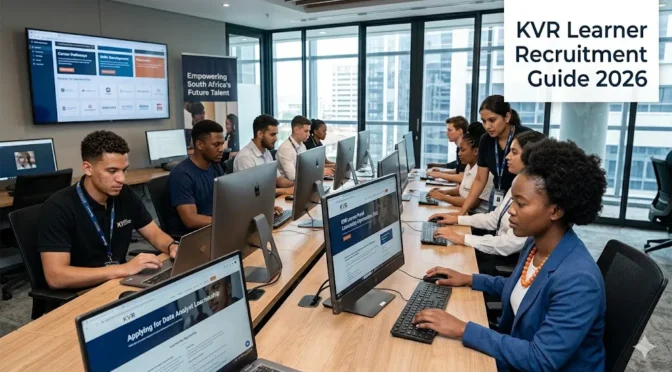
KVR Learner Recruitment Online 2026: How South Africans Can Access Learnership and Skills Development Opportunities

KVR Learner Recruitment Online Guide for South African Job Seekers

South Africans searching for learnerships, internships, skills programmes, and youth employment opportunities may come across the KVR Learner Recruitment platform. The website has previously been used to manage learner applications, assessments, interviews, and recruitment processes for various training opportunities.

If you are looking for funded training opportunities, understanding how the platform works can help you navigate the application process more effectively.

What Is KVR Learner Recruitment?

KVR Learner Recruitment is an online platform that has been used to facilitate learner recruitment processes for skills development initiatives and training programmes.

The platform has provided services such as:

  • Learner registration
  • Online assessments
  • Application management
  • Interview scheduling
  • Candidate tracking
  • Recruitment support

These functions assist training providers and organisations in managing large numbers of learner applications.

Important Update for Applicants

Recent information on the KVR Learner Recruitment website indicates that learner recruitment activities have been redirected to the SA Youth platform.

As a result, applicants looking for current opportunities should focus on registering and searching for opportunities through SA Youth and other official recruitment channels.

Opportunity Overview

South African youth can access opportunities such as:

Learnerships

Structured programmes combining classroom training and workplace experience.

Skills Programmes

Short occupational courses focused on specific workplace competencies.

Internships

Workplace exposure programmes designed for graduates and young professionals.

Apprenticeships

Technical and vocational training programmes leading to artisan qualifications.

Entry-Level Employment

Youth employment opportunities offered through participating employers.

Who Can Apply?

Eligibility requirements depend on the specific opportunity but may include:

  • South African citizenship
  • Valid South African ID
  • Age requirements specified by the programme
  • Matric certificate or relevant qualification
  • Unemployed status for certain programmes
  • Ability to attend training and workplace activities

Required Documents Checklist

Applicants should prepare:

  • Updated CV
  • Certified copy of South African ID
  • Certified Matric Certificate
  • Additional qualifications (if applicable)
  • Proof of residence
  • Academic records
  • Bank confirmation letter (if requested)
  • SARS Tax Number (if required)

How to Apply for Opportunities

Step 1

Register on the SA Youth platform.

Step 2

Complete your profile accurately.

Step 3

Upload all required information and documents.

Step 4

Search for available learnerships, internships, and skills programmes.

Step 5

Submit applications before closing dates.

Step 6

Monitor your email and SMS notifications for assessments and interview invitations.

Benefits of Skills Development Programmes

Participating in learnerships and skills programmes can provide:

  • Practical workplace experience
  • Industry-recognised qualifications
  • Improved employability
  • Professional networking opportunities
  • Career development pathways
  • Potential permanent employment opportunities

Explore More Opportunities:

Frequently Asked Questions

Is KVR Learner Recruitment still accepting applications?

The platform indicates that learner recruitment activities have been moved to alternative platforms such as SA Youth. Applicants should verify the latest information before applying.

Are opportunities free to apply for?

Legitimate learnerships and government-funded training programmes generally do not require application fees.

Can matriculants apply?

Yes. Many learnerships and skills programmes are specifically designed for matriculants and unemployed youth.

Will I receive a stipend?

Some programmes provide stipends, while others may not. The details are usually stated in the official advertisement.

How can I avoid scams?

Always verify opportunities through official government, SETA, employer, or training provider websites before submitting personal information.

Career Pathways After Completion

Depending on the programme, participants may pursue careers in:

  • Administration
  • Customer Service
  • Business Support
  • Information Technology
  • Retail
  • Logistics
  • Finance
  • Agriculture
  • Hospitality
  • Public Service

Related Opportunity

You may also explore

  1. AgriSETA Learnerships for Matriculants in South Africa 2026
  2. SETA-Accredited Engineering Learnership 2026 (R5,600 Monthly Stipend) – Apply Before 25 June 2026

Expert Guidance (E-E-A-T – Mbalizuke Nkosi)

Many South African job seekers miss opportunities because they apply late or fail to maintain updated profiles on recruitment platforms. Ensure your CV is current, your contact details are accurate, and your qualifications are properly certified. Registering on recognised platforms and monitoring opportunities regularly can significantly improve your chances of securing a learnership or skills development opportunity.

— Mbalizuke Nkosi

Disclaimer

This article is provided for informational purposes only. Programme availability, application procedures, requirements, and recruitment platforms may change without notice. Applicants should always verify information through official websites before applying.

How to Apply for Food Parcels in South Africa in 2026

How to Apply for Food Parcels in South Africa (2026 Guide)

Many South African households continue to experience financial hardship due to unemployment, rising living costs, and unexpected emergencies. To assist vulnerable individuals and families, government social relief programmes and community-based organisations provide food parcels and food vouchers to qualifying applicants.

Food assistance is usually offered through the Social Relief of Distress (SRD) programme administered by the South African Social Security Agency (SASSA) and the Department of Social Development (DSD). Assistance may be provided as food parcels, food vouchers, or in some provinces, temporary cash support.

What Are Food Parcels?

Food parcels are emergency food packages distributed to individuals and families experiencing severe financial difficulties. These parcels typically contain basic food items such as maize meal, rice, cooking oil, canned foods, salt, and other essential household necessities.

Food assistance is generally temporary and intended to help households during periods of crisis or hardship.

Who Can Apply for Food Parcels?

You may qualify if you:

  • Are unemployed
  • Have little or no income
  • Are experiencing financial hardship
  • Have been affected by a disaster such as floods or fire
  • Support vulnerable household members
  • Are a South African citizen, permanent resident, or recognised refugee
  • Have insufficient means to provide food for your household

Required Documents

Applicants may be required to provide:

  • South African ID document
  • Children’s birth certificates (where applicable)
  • Proof of residence
  • Proof of unemployment or financial hardship
  • Proof of income (if applicable)
  • Medical or disability documentation (if applicable)
  • Affidavit if identity documents are unavailable
  • Supporting documents relating to an emergency situation

Step-by-Step Guide to Apply

Step 1: Visit Your Nearest SASSA or DSD Office

Applications for food parcels are generally processed through local SASSA offices or social development offices. The official government application form is not usually available online.

Step 2: Explain Your Situation

A social worker or SASSA official will assess your circumstances and determine whether you qualify for temporary food assistance.

Step 3: Complete the Application Form

Fill in all required information accurately and honestly.

Step 4: Submit Supporting Documents

Provide all available supporting documents to assist with the assessment process.

Step 5: Await Assessment

Applications are usually assessed as quickly as possible, particularly in emergency situations. Approved applicants may receive a food parcel, food voucher, or other approved relief assistance.

How Long Does Assistance Last?

Social Relief of Distress assistance is generally provided for up to three months and may be extended for an additional three months if circumstances justify further support.

Important Notes

  • Food parcel availability may vary by province.
  • Approval is based on individual circumstances and available resources.
  • Providing false information may result in rejection.
  • Keep copies of all documents submitted.
  • Apply as soon as assistance is needed.

Frequently Asked Questions (FAQ)

Can I apply online for a food parcel?

Most food parcel applications require visiting a SASSA or DSD office in person.

Is food parcel assistance free?

Yes. There is no charge to apply for Social Relief of Distress assistance.

What if I don’t have an ID?

You may submit an affidavit and alternative supporting documents as proof of identity.

Can unemployed youth apply?

Yes, if they meet the eligibility requirements and demonstrate financial hardship.

What foods are usually included?

Food parcels commonly include maize meal, rice, cooking oil, canned foods, salt, and other essentials.

How long does approval take?

Applications are typically assessed immediately or within a short period depending on circumstances.

Can assistance be extended?

Yes. Assistance may be extended beyond three months in qualifying cases.

Stay Updated with More Opportunities

For the latest SETA learnerships, internships, bursaries, apprenticeships, skills programmes, and career development opportunities, visit Mysetaportal.co.za.

Career Pathways and Additional Support

While food parcels provide temporary relief, beneficiaries are encouraged to explore:

  • Learnership opportunities
  • Skills development programmes
  • TVET College training
  • Employment programmes
  • Entrepreneurship support initiatives
  • Community development projects

These opportunities can help build long-term financial stability.

Explore More Opportunities:

Expert Guidance from Mbalizuke Nkosi

Food assistance programmes are designed to provide temporary relief during difficult times. Applicants should always ensure that the information they provide is accurate and supported by relevant documentation. Incomplete applications can delay assistance.

Where possible, individuals receiving food support should also investigate employment, training, and skills development opportunities available through SETAs, TVET Colleges, municipalities, and government programmes. Combining short-term assistance with long-term career planning can significantly improve future economic prospects.

It is also advisable to remain informed through official government announcements and trusted opportunity platforms. Fraudulent messages promising guaranteed food parcels or grants should always be avoided.

Official Government Information:
Social Relief of Distress (SRD) Information

This guide is based primarily on official South African government information regarding Social Relief of Distress assistance.

Do SETA Learnerships Pay? Here’s What Every South African Applicant Should Know Before Applying

One of the biggest questions many unemployed youth ask before applying for a learnership is simple:

“Will I actually get paid?”

The confusion is understandable. Some internships in South Africa are unpaid, while others only offer transport support or temporary allowances.

The good news is that most SETA learnerships in South Africa do pay monthly stipends to learners during training.

For many young people, this financial support can make a major difference while gaining qualifications and workplace experience at the same time.

If you are considering applying for learnerships in 2026, here is everything you need to know about SETA stipends, payment amounts, and how learnership funding works.

What You Need to Know Quickly

Most SETA learnerships are paid.

Learners usually receive monthly stipends to help cover:

  • Transport
  • Meals
  • Daily living expenses
  • Airtime and data costs

However:

  • A stipend is not the same as a full salary
  • Payment amounts differ between programmes
  • Funding depends on the SETA and employer
  • Attendance and participation usually affect payment eligibility

What Is a SETA Learnership?

A SETA learnership is a structured skills development programme that combines:

  • Classroom learning
  • Practical workplace experience

These programmes are registered on the National Qualifications Framework (NQF) and overseen by South Africa’s Sector Education and Training Authorities, commonly known as SETAs.

Unlike short courses, learnerships usually run between:

  • 12 months
  • 18 months
  • 24 months

Successful learners receive nationally recognised qualifications while gaining practical work experience.

Are SETA Learnerships Paid?

Yes.

Most legitimate SETA learnerships pay learners monthly stipends during the programme.

The stipend is designed to support learners while they:

  • Attend training
  • Complete workplace tasks
  • Participate in practical learning
  • Submit assignments and assessments

This is one reason learnerships remain extremely popular among unemployed South African youth.

What Is a Learnership Stipend?

A stipend is a temporary training allowance.

It is not permanent employment income and should not be confused with a normal salary.

Difference Between a Stipend and a Salary

StipendSalary
Training support allowancePayment for employment
TemporaryPermanent or contractual
Lower monthly amountUsually higher income
Paid during trainingPaid for job responsibilities

The purpose of a stipend is to help learners participate in training without facing severe financial pressure.

Who Pays the Learnership Stipend?

SETA funding usually supports the programme, but payment often happens through:

  • The employer hosting the learner
  • The training provider managing the programme

This means:

  • Payment systems may differ
  • Pay dates may vary
  • Administrative processes may affect timing

In most cases, the employer receives SETA funding and then pays learners directly.

How Much Do SETA Learnerships Pay?

There is no single fixed amount for every learnership.

Payment depends on:

  • NQF level
  • Industry sector
  • Employer budget
  • SETA funding structure
  • Programme type

Estimated National Learnership Stipend Ranges

Qualification LevelEstimated Monthly Stipend
NQF Level 1–2R2,000 – R3,500
NQF Level 3–4R3,500 – R5,000
NQF Level 5+R5,000 – R8,000+

These amounts are estimates only and may differ between programmes.

Some industries, especially technical or specialised sectors, may offer higher stipends.

When Do Learners Get Paid?

Most learners are paid:

  • Monthly
  • Via bank transfer
  • On a fixed payment date

Payment usually begins:

  • After signing the learnership contract
  • Once training officially starts

To avoid delays, learners should:

  • Open a valid bank account
  • Submit correct banking details
  • Ensure names match ID documents exactly

What Happens If Your Stipend Is Late?

Unfortunately, delays can sometimes happen.

Common causes include:

  • Delayed SETA funding
  • Administrative problems
  • Incorrect banking details
  • Training provider processing delays

If your stipend is late:

  • Contact the training provider
  • Speak to the employer HR department
  • Keep written communication records
  • Stay professional and consistent

Learners should never simply stop attending training without communication.

Do Learners Get Paid During Classroom Training?

Yes.

Most SETA learnerships continue paying learners during:

  • Classroom learning
  • Workplace training
  • Assessments and assignments

However, payment usually depends on:

  • Attendance
  • Participation
  • Following programme rules

Failure to attend training or breaking contract conditions may result in suspended payments.

Are All Learnerships Paid?

Most real SETA learnerships are paid.

However, some short programmes or private training opportunities may:

  • Offer no stipend
  • Require self-funding
  • Operate as unpaid volunteer training

If a programme claims to be “SETA-funded” but asks applicants to pay large fees, candidates should verify it carefully before applying.

Can a Learnership Affect Your SASSA Grant?

Possibly.

Whether your SASSA grant is affected depends on:

  • The type of grant
  • Your monthly stipend amount
  • Current income thresholds

Some learners continue receiving grants if their stipend remains below the required limit.

Applicants should always confirm directly with:
South African Social Security Agency (SASSA)

This helps avoid future payment problems or misunderstandings.

Can You Survive on a Learnership Stipend?

A stipend is meant to support basic living expenses, not provide luxury income.

Many learners use stipends for:

  • Transport
  • Meals
  • Data and airtime
  • Small daily expenses

Because stipends are limited, many learners:

  • Budget carefully
  • Use public transport
  • Stay with family during training

The real long-term value of a learnership is often:

  • Work experience
  • Skills development
  • Qualifications
  • Better future job opportunities

What Happens After the Learnership Ends?

After completing a learnership, learners may:

  • Receive permanent job offers
  • Move into internships or contracts
  • Apply for better opportunities
  • Continue studying
  • Start small businesses

Many South Africans use learnerships as stepping stones into long-term employment.

Common Myths About SETA Learnerships

Myth 1: Learnerships Are Unpaid

False. Most SETA learnerships include monthly stipends.

Myth 2: Learners Become Rich

False. Stipends are basic financial support only.

Myth 3: You Must Pay to Join

False. Legitimate SETA learnerships are funded programmes.

Expert Career Tip: What You Should Check Before Signing

Before accepting any learnership offer, always confirm:

  • Monthly stipend amount
  • Payment dates
  • Contract duration
  • Attendance requirements
  • Conditions for continued payment

Everything important should appear clearly in the learnership agreement.

Never sign documents you do not fully understand.

Explore More Opportunities:

Final Thoughts

SETA learnerships remain one of the best opportunities for unemployed South African youth who want to gain qualifications, workplace experience, and monthly financial support at the same time.

While stipends are not full salaries, they can help learners build valuable skills while preparing for long-term career growth.

For many young people, a learnership becomes the first real step toward employment, confidence, and financial independence.

Want to Work With Children? HWSETA Explains the Best Childcare Training Routes in South Africa

Many young South Africans dream of working with children, but knowing where to begin can feel confusing.

Some people wonder whether they need a certificate, diploma, or learnership. Others are unsure which qualifications employers actually recognise.

That is why the childcare guidance shared by Health and Welfare Sector Education and Training Authority (HWSETA) is so valuable.

Instead of promoting a single intake or application deadline, the guidance highlights recognised Early Childhood Development study pathways that can help aspiring childcare workers build the right foundation for future careers.

For anyone interested in childcare, preschool education, or Early Childhood Development, this guidance offers an important starting point.

What You Need to Know Quickly

HWSETA has highlighted recognised childcare and Early Childhood Development study routes for aspiring childcare workers in South Africa.

The pathways include:

  • Further Education and Training Certificate in Early Childhood Development (NQF Level 4)
  • Higher Certificate in Early Childhood Development (NQF Level 5)
  • Diploma in Early Childhood Development (NQF Level 5)
  • National Senior Certificate NC(V) pathway

These study routes help candidates build knowledge and practical understanding needed for childcare and ECD-related careers.

Why Childcare Remains an Important Career Path

Working with children is about much more than supervision.

Childcare professionals help:

  • Support early learning
  • Create safe environments
  • Encourage emotional development
  • Build communication and social skills
  • Support healthy growth and routines

Early childhood is one of the most important stages of development, which means trained childcare workers and ECD practitioners continue playing an important role in communities across South Africa.

For people who want meaningful work that positively impacts young lives, childcare can become a rewarding long-term career path.

What Training Routes Does HWSETA Recommend?

The guidance highlights several recognised pathways into childcare and Early Childhood Development.

1. Further Education and Training Certificate in ECD (NQF Level 4)

This route is often suitable for:

  • School leavers
  • Beginners entering the childcare field
  • Candidates starting their ECD journey

The qualification helps learners build foundational childcare and early learning knowledge.

2. Higher Certificate in ECD (NQF Level 5)

This pathway may suit candidates who:

  • Meet higher entry requirements
  • Want deeper ECD knowledge
  • Plan to grow professionally in childcare and education environments

It offers more advanced understanding of child development and learning support.

3. Diploma in Early Childhood Development (NQF Level 5)

The diploma route can help candidates develop:

  • Professional ECD skills
  • Child development knowledge
  • Learning programme support abilities
  • Structured classroom and childcare understanding

This pathway may help open additional opportunities within childcare and educational environments.

4. National Senior Certificate NC(V)

The NC(V) pathway offers another route into childcare and related learning opportunities.

It may be suitable for candidates looking for vocational education and practical learning pathways connected to childcare and development support.

Which Childcare Route Should You Choose?

The best choice depends on:

  • Your current education level
  • Your long-term career goals
  • Your existing qualifications
  • Your readiness for advanced study

Many people assume the highest qualification is automatically the best option.

In reality, the smartest choice is often the qualification that matches your current level and helps you move into practical childcare work step by step.

Why Early Childhood Development Is So Important

Early Childhood Development, often called ECD, forms the foundation of many childcare careers.

ECD studies help future childcare workers understand:

  • Child growth and development
  • Communication with young children
  • Classroom support and learning activities
  • Childcare routines and safety
  • Emotional and social development
  • Structured early learning environments

This knowledge helps childcare workers provide more informed and professional support to children.

Who Could Benefit From These Training Pathways?

These pathways may be especially useful for:

  • School leavers interested in childcare careers
  • Aspiring ECD practitioners
  • Caregivers seeking formal qualifications
  • Young South Africans looking for practical career pathways
  • Individuals passionate about working with children

For many people, childcare is not just a job — it becomes meaningful work connected to community development and education.

Is This a Direct Application Opportunity?

No.

This guidance should be understood as a career information and training guidance post rather than a direct learnership intake announcement.

The purpose is to help readers understand:

  • Which study pathways exist
  • How childcare careers usually begin
  • Which qualifications may support future opportunities

Interested candidates are encouraged to explore the HW Career Portal and related ECD opportunities for further information.

What Documents Should You Prepare?

Even though this is not a direct application advert, it helps to prepare:

  • Updated CV
  • South African ID copy
  • Latest school results or qualifications
  • Working cellphone number
  • Professional email address

Being prepared can help candidates respond quickly when learnerships, internships, or study opportunities become available.

Benefits of Following an ECD Pathway

ECD and childcare qualifications can help candidates:

  • Build recognised childcare knowledge
  • Improve employability
  • Prepare for childcare environments
  • Develop communication and support skills
  • Access future ECD-related opportunities

These skills may eventually support careers in:

  • Childcare centres
  • Preschools
  • Early learning programmes
  • Community childcare services
  • Educational support environments

Expert Career Tip: How to Start Smart in Childcare

One of the biggest mistakes aspiring childcare workers make is rushing into advanced qualifications without understanding the pathway properly.

To improve your long-term success:

  • Start with the qualification level that matches your current education
  • Focus on gaining practical childcare understanding
  • Build communication and patience skills
  • Keep learning about child development
  • Stay open to internships, volunteer work, or practical exposure opportunities

In childcare careers, practical understanding and compassion are just as important as formal qualifications.

Final Thoughts

The childcare guidance shared by HWSETA gives aspiring childcare workers a clearer understanding of how to start building careers in Early Childhood Development and child support environments.

By highlighting recognised ECD study routes, the guidance helps young South Africans move from uncertainty to direction.

For anyone passionate about working with children, exploring the right training pathway could become the first important step toward a meaningful future career.

LGSETA Opportunities in 2026 Could Help South African Youth Build Real Careers in Local Government

For many unemployed young South Africans, finding a career path can feel overwhelming. Even qualified graduates and matriculants often struggle to gain workplace experience or access funded training opportunities.

That is why LGSETA-funded programmes continue to play such an important role across South Africa.

From learnerships and internships to bursaries and workplace experience programmes, LGSETA helps young people gain practical skills, accredited qualifications and valuable exposure within municipalities and local government environments.

If you are searching for 2026 learnerships, internships, bursaries or skills development opportunities in South Africa, understanding how LGSETA works could open new doors for your future.

What You Need to Know About LGSETA Opportunities

Quick Summary

CategoryDetails
SETA NameLocal Government Sector Education and Training Authority (LGSETA)
Main FocusSkills development for local government and municipalities
Opportunities AvailableLearnerships, internships, bursaries, workplace training and skills programmes
Target GroupSouth African youth, graduates, matriculants and unemployed individuals
Age GroupMostly 18–35 years old
FundingFully or partially funded training opportunities
StipendsMonthly financial support available for many programmes
CoverageAvailable across all nine provinces
Training AreasPublic administration, ICT, municipal finance, HR, engineering and more

Why LGSETA Matters More Than Ever in 2026

South Africa’s unemployment crisis continues to affect millions of young people, especially first-time job seekers and graduates without experience.

At the same time, municipalities and public sector institutions need skilled workers who can support service delivery, administration, infrastructure and community development.

LGSETA helps bridge this gap by funding training programmes that prepare South Africans for careers linked to local government and municipal services.

These opportunities do not only provide classroom learning.

They also help participants gain real workplace exposure, practical skills and nationally recognised qualifications.

For many young people, this becomes the first step toward long-term employment and career stability.

What Is LGSETA?

The Local Government Sector Education and Training Authority (LGSETA) is one of South Africa’s official SETAs established under the Skills Development Act.

Its role is to support education, training and skills development within the local government sector.

LGSETA works with:

  • Municipalities
  • TVET colleges
  • Universities
  • Accredited training providers
  • Employers
  • Public institutions

Together, these partnerships help create funded opportunities that improve employability and workplace readiness.

Types of LGSETA-Funded Opportunities Available

One of the biggest advantages of LGSETA is the variety of programmes available for different education levels and career interests.

Learnerships

Learnerships combine theoretical learning with practical workplace training.

Common Features

  • Usually 12 months long
  • NQF Level 1–5 qualifications
  • Workplace exposure included
  • Monthly stipends often provided

Learnerships are ideal for youth who want both qualifications and experience.

Internships

Internships are mainly designed for graduates who need workplace exposure.

Internship Benefits

  • Real municipal work experience
  • Professional development
  • Career networking opportunities
  • Improved employability

Internship durations may range from 6 to 24 months.

Skills Programmes

Skills programmes focus on shorter, targeted training.

These may last:

  • A few weeks
  • Several months

They are useful for people wanting to improve specific workplace skills quickly.

Bursaries

LGSETA also supports bursary funding for students studying qualifications relevant to local government and public administration.

Funding may help cover:

  • Tuition fees
  • Study materials
  • Accommodation
  • Related educational costs

Workplace Experience Programmes

TVET and university students often require workplace learning to complete qualifications.

LGSETA-supported workplace programmes help students gain practical industry exposure.

Who Can Apply for LGSETA Programmes?

Many opportunities are aimed at unemployed South African youth and entry-level job seekers.

General Eligibility Requirements

Applicants are usually expected to:

  • Be South African citizens
  • Be between 18 and 35 years old
  • Be unemployed or seeking upskilling
  • Hold relevant qualifications
  • Commit fully to the programme duration

Some programmes may have additional requirements depending on the qualification level or training field.

Priority Groups Often Targeted

LGSETA places strong emphasis on inclusion and equal access to opportunity.

Priority may be given to:

  • Unemployed youth
  • Women
  • Persons with disabilities
  • Rural communities
  • Matriculants without experience

This helps improve access to skills development across different communities.

How to Apply for LGSETA Opportunities

Applications may be submitted through municipalities, accredited training providers or official online platforms.

Step 1: Search for Open Opportunities

Look for opportunities on:

Step 2: Prepare Your Documents

Applicants usually need:

  • Certified ID copy
  • Certified qualifications
  • Updated CV
  • Proof of address
  • Motivation letter (optional)
  • Disability documentation if applicable

Make sure documents are clear, updated and professionally organised.

Step 3: Submit Your Application

Depending on the programme, applications may be submitted:

  • Online
  • By email
  • Through municipal HR offices
  • By post
  • Via hand delivery

Always follow instructions carefully.

Step 4: Interviews or Assessments

Some programmes may include:

  • Interviews
  • Aptitude tests
  • Assessments
  • Screening processes

Preparation matters during this stage.

Step 5: Wait for Placement Feedback

Successful applicants may later receive:

  • Offer letters
  • Start dates
  • Training details
  • Placement instructions

Because competition is high, patience is important.

Popular LGSETA Training Providers in South Africa

Several respected institutions work alongside LGSETA to provide accredited training opportunities.

Examples Include

  • Motheo TVET College
  • Vuselela TVET College
  • Tshwane North TVET College
  • Regenesys Business School
  • Mancosa
  • Richfield Graduate Institute
  • Nelson Mandela University
  • CTU Training Solutions

Always verify that the provider is properly accredited before applying.

What Stipends Can Learners Expect?

Financial support is one reason many applicants pursue LGSETA-funded opportunities.

Estimated Monthly Stipends

Learnerships

  • NQF Level 2–3: Around R2,000 – R3,000
  • NQF Level 4–5: Around R3,500 – R4,500

Internships

  • Diploma graduates: Around R4,000 – R5,000
  • Degree graduates: Around R5,500 – R7,000

Skills Programmes

  • Usually between R1,500 – R3,000 depending on duration

TVET Workplace Learning

  • Around R2,500 – R3,500 depending on the host employer

Amounts may vary based on funding and programme structure.

Municipalities That Commonly Participate

Many municipalities host LGSETA learners across different departments.

Examples Include

  • eThekwini Municipality
  • City of Johannesburg
  • Buffalo City Municipality
  • Polokwane Municipality
  • Mogale City Municipality
  • OR Tambo District Municipality

Departments may include:

  • ICT Services
  • Public Administration
  • Housing
  • Environmental Management
  • Water and Sanitation
  • Community Services

Why LGSETA Opportunities Are Valuable

Participating in LGSETA-funded programmes offers several important benefits.

Key Advantages

  • Practical work experience
  • Accredited qualifications
  • Career development opportunities
  • Exposure to municipal environments
  • Professional networking
  • Improved employability
  • Financial support through stipends

Many learners later secure permanent employment or continue studying through additional bursary support.

Expert Career Tip: How to Improve Your Chances

Many applications fail because candidates rush the process.

Common Mistakes Applicants Make

  • Missing certified documents
  • Outdated CVs
  • Incorrect contact details
  • Blurry uploads
  • Ignoring instructions
  • Applying late

Smart Ways to Stand Out

  • Keep your CV neat and professional
  • Use a professional email address
  • Apply early
  • Double-check every document
  • Research the municipality or provider
  • Prepare for interviews beforehand

Professionalism can separate successful applicants from thousands of others.

Explore More Opportunities:

Frequently Asked Questions (FAQ)

Can I apply for multiple LGSETA programmes?

Yes, but you can usually only participate in one funded programme at a time.

Are LGSETA opportunities available nationwide?

Yes. Opportunities are available across all nine provinces through municipalities and training providers.

Do LGSETA programmes cost money?

No. Official LGSETA-funded programmes are free for qualifying learners.

Can people living with disabilities apply?

Yes. LGSETA strongly encourages inclusion and often prioritises disability participation.

What happens if I do not hear back?

Due to high competition, only shortlisted candidates are often contacted.

Continue applying for multiple opportunities while waiting.

Final Thoughts

LGSETA-funded programmes continue to create important opportunities for South African youth seeking skills development, workplace exposure and career growth.

Whether you are a matriculant, TVET student, graduate or unemployed job seeker, these programmes can help you build practical experience and improve your employability within the public sector.

The key is preparation.

Keep your documents updated, monitor opportunities regularly and apply professionally.

One application could become the first step toward a long-term career in local government and public service.

Being Qualified Is No Longer Enough: Why Employability Matters More Than Ever for South African Youth in 2026

Thousands of young South Africans did exactly what they were told would secure their future.

They passed matric.
They studied further.
They completed certificates, diplomas, degrees, learnerships, and short courses.

Yet many are still unemployed.

This has become one of the biggest and most painful realities of South Africa’s job market in 2026:

A qualification alone no longer guarantees employment.

For many young people, this truth only becomes clear after years of job applications, rejections, and frustration.

Employers are no longer asking only:

“Are you qualified?”

They are now asking:

“Can you actually perform, communicate, solve problems, adapt, and contribute in a real workplace?”

Understanding this difference could completely change your career future.

What You Need to Know

Quick Overview

TopicExplanation
Being QualifiedHaving formal education, certificates or training
Being EmployableHaving practical skills, professionalism and workplace readiness
Main Problem in 2026Many applicants have qualifications but lack employability
What Employers WantCommunication, reliability, digital skills, teamwork and adaptability
Key RealityQualifications may get interviews, but employability gets jobs
Smart Career MoveBuild experience, confidence, skills and practical exposure

Why This Conversation Matters So Much in 2026

South Africa’s unemployment crisis has changed the way employers recruit.

Years ago, completing a qualification often opened doors automatically.

Today, competition is extremely high.

A single internship, learnership or graduate programme can receive thousands — sometimes tens of thousands — of applications.

This means employers now compare much more than academic results.

They look at:

  • Communication ability
  • Computer literacy
  • Professional behaviour
  • Confidence
  • Reliability
  • Work ethic
  • Adaptability
  • Problem-solving skills
  • Teamwork
  • Initiative

This explains why two people with the exact same qualification can experience completely different outcomes.

One gets hired quickly.
The other struggles for years.

The difference is often employability.

What Does “Qualified” Actually Mean?

Being qualified means you completed formal learning or training.

This may include:

  • Matric
  • TVET qualifications
  • University degrees
  • Learnerships
  • Apprenticeships
  • Short courses
  • Skills programmes
  • Diplomas or certificates

Qualifications are still important because they show:

  • You completed structured learning
  • You understand theory
  • You met academic standards
  • You gained technical knowledge

Many careers still legally require qualifications, including:

  • Nursing
  • Teaching
  • Engineering
  • Accounting
  • Healthcare
  • Policing
  • Technical trades
  • Law

Without the required qualification, you may not even qualify to apply.

But this is where many people make a dangerous mistake.

They believe:

“If I finish studying, employment is guaranteed.”

That is no longer the reality for many industries.

What Does “Employable” Mean in 2026?

Being employable means employers believe you can function effectively inside a real workplace.

It means they trust you can:

  • Handle responsibility
  • Work with people
  • Learn quickly
  • Solve problems
  • Adapt to pressure
  • Represent the organisation professionally
  • Add value consistently

Employability is about workplace readiness.

A highly employable person may not always have the highest qualification, but they often know how to:

  • Communicate professionally
  • Use workplace technology
  • Follow instructions
  • Work independently
  • Stay disciplined
  • Take initiative
  • Manage pressure
  • Learn continuously

This is what many employers now prioritise.

The Biggest Mistake Many Young People Make

One of the most common career mistakes is focusing only on qualifications while ignoring employability.

For example:

  • Someone may have a diploma but cannot communicate confidently
  • Another may have a degree but struggles in interviews
  • Someone may complete courses but lack practical skills
  • Another may know theory but fail to apply it practically

This creates a gap between education and workplace reality.

Employers notice this immediately.

Why Employers Care More About Employability Today

Modern workplaces are changing rapidly.

Companies now operate in environments that are:

  • More digital
  • Faster-paced
  • More competitive
  • More automated
  • Performance-driven

Employers increasingly want people who can contribute quickly without constant supervision.

This is especially true in industries like:

  • Banking
  • Retail
  • Logistics
  • Technology
  • Government administration
  • Customer service
  • Hospitality
  • Security
  • Call centres

Employers are now asking:

“Can this person survive and grow in a modern workplace?”

Not only:

“Did this person pass exams?”

Signs You May Be Qualified but Not Yet Employable

Many young people unknowingly fall into this category.

Warning Signs Include:

You only submit applications but never improve yourself

Sending CVs daily without building new skills often leads to frustration.

You struggle during interviews

This may indicate communication or confidence challenges.

Your CV only lists education

Strong employable profiles often include:

  • Volunteer work
  • Projects
  • Leadership roles
  • Technical skills
  • Community involvement
  • Achievements

You avoid learning technology

Digital literacy is now essential in almost every industry.

You wait for opportunities instead of creating momentum

Highly employable people actively build experience and visibility.

The Most Important Employability Skills in 2026

Communication Skills

Many employers reject candidates because they communicate poorly.

Important communication areas include:

  • Speaking professionally
  • Writing emails
  • Listening carefully
  • Telephone etiquette
  • Workplace behaviour

Simple things matter more than many people realise.

Digital Skills

Basic digital literacy is now almost mandatory.

Important skills include:

  • Microsoft Word
  • Excel
  • Email usage
  • Online applications
  • Google Docs
  • Virtual meetings
  • Internet research
  • Typing

Even many government applications are now fully digital.

Reliability

Employers highly value dependable people.

This includes:

  • Being punctual
  • Following instructions
  • Meeting deadlines
  • Taking accountability
  • Staying consistent

Reliability is one of the most underrated employability skills.

Adaptability

The workplace changes constantly.

Employers prefer people who can:

  • Learn quickly
  • Handle change
  • Work under pressure
  • Adjust to new systems
  • Work with different personalities

Emotional Maturity

Professional environments require emotional control.

This includes:

  • Handling criticism professionally
  • Managing conflict calmly
  • Respecting authority
  • Working well in teams
  • Staying composed under pressure

Problem-Solving Ability

Modern employers want thinkers, not only certificate holders.

They value people who can:

  • Identify problems
  • Suggest solutions
  • Think independently
  • Show initiative

Why Some People Without Degrees Get Hired Faster

This reality frustrates many graduates.

But often, those candidates are highly employable.

For example, someone without a degree may:

  • Communicate confidently
  • Understand workplace culture
  • Be excellent with customers
  • Learn quickly
  • Show initiative
  • Use technology comfortably

Meanwhile, a graduate may:

  • Lack confidence
  • Depend entirely on theory
  • Avoid responsibility
  • Struggle with teamwork

Employers often choose the person who seems easier to integrate into the workplace.

Why Experience Matters So Much

Experience remains one of the biggest employability boosters.

This is why opportunities like these matter:

  • Learnerships
  • Internships
  • Apprenticeships
  • YES programmes
  • EPWP programmes
  • Volunteer work
  • Contract work

These experiences teach:

  • Workplace behaviour
  • Time management
  • Teamwork
  • Communication
  • Practical systems
  • Professional discipline

Even unpaid experience can improve employability if it builds practical exposure.

How to Become More Employable in 2026

Build Practical Skills

Do not rely only on qualifications.

Add skills such as:

  • Computer literacy
  • Data capturing
  • Customer service
  • Social media management
  • Administration
  • Report writing
  • Public speaking

Improve Your CV

Your CV should show more than education.

Include:

  • Volunteer work
  • Achievements
  • Leadership roles
  • Projects
  • Technical skills
  • Online certifications

Practice Professional Communication

Learn:

  • Interview skills
  • Email writing
  • Workplace etiquette
  • Telephone professionalism

Small communication improvements create major advantages.

Gain Any Experience Possible

Even small opportunities matter.

Examples include:

  • Volunteering
  • Community projects
  • Freelancing
  • Church administration
  • Side hustles
  • Assisting local organisations

Experience builds confidence.

Develop a Learning Mindset

The most employable people continue learning constantly.

In a changing economy, adaptability matters more every year.

The Harsh Reality Many Graduates Discover

One major problem is that many education systems still focus heavily on theory.

But workplaces care more about:

  • Results
  • Productivity
  • Performance
  • Communication
  • Adaptability
  • Practical execution

This creates “qualification shock” for many graduates entering the workforce.

They realise:

  • Workplaces move faster
  • Expectations are different
  • Soft skills matter more
  • Practical thinking matters more

Why This Matters for South African Youth

Youth unemployment remains one of South Africa’s biggest challenges.

This means employability has become a major competitive advantage.

The candidates who stand out are usually those who combine:

  • Qualifications
  • Skills
  • Confidence
  • Experience
  • Professionalism
  • Adaptability

That combination creates opportunity.

The Future Beyond 2026

Artificial intelligence, automation and digital transformation are already changing jobs globally.

This means future workers must become:

  • More adaptable
  • More digitally confident
  • Better communicators
  • Stronger problem-solvers
  • Faster learners

Qualifications alone may continue losing power without practical capability.

Expert Career Advice for Young Job Seekers

If you are unemployed right now, do not assume your qualification is worthless.

It still matters.

But you must stop viewing it as the final step.

Your qualification is only one part of your employability profile.

Start building the other half:

  • Communication
  • Digital literacy
  • Practical experience
  • Professionalism
  • Confidence
  • Workplace exposure
  • Reliability

The goal is not only to become educated.

The goal is to become employable.

Understanding this earlier than others could place you ahead of thousands of applicants competing for the same opportunities.

Frequently Asked Questions (FAQ)

Is a qualification still important in 2026?

Yes. Many careers still require formal qualifications. However, qualifications alone are often no longer enough.

Can someone without a degree still become employable?

Yes. Communication skills, practical experience, professionalism and adaptability can greatly improve employability.

What are the most important employability skills today?

Important skills include:

  • Communication
  • Computer literacy
  • Teamwork
  • Reliability
  • Adaptability
  • Problem-solving

Explore More Opportunities:

Why do employers ask for experience for entry-level jobs?

Because employers prefer candidates who already understand basic workplace behaviour and require less supervision.

How can I improve employability without money?

You can:

  • Volunteer
  • Learn free online skills
  • Improve communication
  • Practice interviews
  • Gain community experience
  • Learn digital tools

Final Thoughts

South Africa’s job market has changed dramatically.

Qualifications still open doors, but employability determines who walks through them.

Young people who focus only on certificates may struggle.
Those who combine qualifications with practical skills, professionalism and adaptability position themselves far more strongly for the future.

In 2026, employability is no longer optional.

It is the difference between being qualified on paper and becoming valuable in the real world.

SAYouth Teacher Assistant Jobs 2026 – Application Guide for South African Youth

What You Need (Quick Checklist)

  • Updated CV (focused on education or community work)
  • South African ID
  • Matric certificate or equivalent
  • A SAYouth.mobi profile
  • Accurate contact details and address
  • Access to a bank account (for stipend payments)
  • A motivational response for your application

What Are SAYouth Teacher Assistant Jobs?

The South African Department of Basic Education, through the SAYouth.mobi platform, offers young people the opportunity to work as Teacher Assistants in schools.

What You’ll Do

  • Support teachers with lesson preparation
  • Assist during classroom activities
  • Provide one-on-one support to learners
  • Help maintain a clean and safe classroom
  • Support extracurricular activities (sports, arts, clubs)

This role helps you gain practical experience in education while contributing to your community.

Who Can Apply? (Eligibility Criteria)

To qualify, you must:

  • Be aged 18 to 34 years (turning 35 by March 2026)
  • Live close to the school
    • Within 5 km (urban)
    • Up to 30 km (rural)
  • Be unemployed and not studying full-time
  • Be a South African citizen

Additional requirements will be confirmed when applications officially open.

Stipend and Programme Duration

  • Monthly Stipend: R4,000 (before deductions)
  • Duration: Fixed-term programme during 2026

This provides valuable work experience and financial support.

Inclusive Opportunities for Youth with Disabilities

The programme is inclusive and aims to support youth with disabilities.

The South African Department of Basic Education ensures accessibility so all qualified applicants can participate.

How to Prepare for Your Application

Preparation is key to success.

Register on SAYouth

  • Visit SAYouth.mobi
  • Create or update your profile
  • Ensure your contact details are correct
  • Registration is free and uses no data

Prepare Your Documents

  • South African ID
  • Matric certificate or equivalent
  • Proof of age
  • Police clearance (if shortlisted)

Check Before Applying

  • Do you remember your SAYouth password?
  • Is your profile complete?
  • Do you have a bank account?

Why Apply for SAYouth Teacher Assistant Jobs?

This programme offers real benefits for young people starting their careers.

Key Benefits

  • Build communication and teamwork skills
  • Gain hands-on school experience
  • Strengthen your CV
  • Make a positive impact in your community

It’s a strong stepping stone into education, public service, or other sectors.

Step-by-Step Application Guide

Follow these steps once applications open:

How to Apply

  1. Visit SAYouth.mobi
  2. Create or log in to your profile
  3. Complete the application form
  4. Select your preferred school
  5. Submit before the closing date

Important Dates

  • Applications Open: To be announced
  • Applications Close: To be announced
  • Interviews: After closing date
  • Programme Start: 2026 (official date to be confirmed)

Tip: Apply early to avoid missing out.

Expert Insight: Avoid This Common Mistake

Many applicants lose out because their SAYouth profile is incomplete or outdated.

Why this matters

Schools and recruiters rely on your profile to match you with nearby opportunities. Incorrect details can disqualify you automatically.

Pro Tip

Before applying:

  • Update your address accurately
  • Ensure your contact number is active
  • Add any volunteering or school-related experience

This improves your chances of being shortlisted quickly.


Safety Tip: Avoid Scams

  • Only apply through SAYouth.mobi
  • Do not pay any fees
  • Do not apply directly at schools

Legitimate applications are free and online only.

You Can Also Explore Youthscope

If you are interested in similar opportunities, you can also check:

Final Advice

The South African Department of Basic Education SAYouth Teacher Assistant Programme is highly competitive.

Prepare early, keep your profile updated, and submit a complete, accurate application to maximise your chances.

NARYSEC Youth Recruitment Programme 2026/27 – Application Guide for 18–35 Rural Youth

What You Need (Quick Checklist)

  • Updated CV (with at least 2 referees)
  • Copy of your South African ID
  • Copy of your highest qualification
  • Proof of residence (from ward councillor or tribal authority)
  • Access to your local municipal office
  • Time to collect and submit forms in person

Overview of the NARYSEC Youth Recruitment Programme

The National Rural Youth Service Corps (NARYSEC) is a government initiative designed to support rural youth development through training, community service, and work readiness.

This programme is managed by the Department of Land Reform and Rural Development and focuses on helping young people gain skills, confidence, and practical experience.

Key Programme Details

  • Programme: NARYSEC Youth Recruitment Programme
  • Cycle: 2026/27
  • Province: Mpumalanga
  • Closing Date: 25 May 2026
  • Application Method: Physical submission only
  • Target Group: Rural youth (18–35 typically, depending on programme criteria)

Why This Programme Matters

For many young people in rural areas, access to training and employment opportunities is limited.

The National Rural Youth Service Corps helps bridge this gap by offering:

  • Skills development training
  • Community service experience
  • Work readiness preparation
  • Personal development support

This creates a pathway from unemployment to employability.


Target Areas for This Recruitment Drive

This intake is specifically for applicants living in:

  • Dipaleseng Local Municipality
  • Govan Mbeki Local Municipality
  • Lekwa Local Municipality

Applicants must apply through the municipality where they live.

Minimum Requirements

To qualify, applicants must:

  • Live in one of the listed municipalities
  • Be unemployed
  • Provide proof of residence
  • Show willingness to participate in training and community service
  • Submit a complete application with all required documents

Persons with disabilities are encouraged to apply.

Documents Required

Prepare the following before applying:

  • Copy of educational qualification
  • Copy of South African ID
  • Proof of residence
  • CV with at least two referees

Important: Certified copies are usually only required if you are shortlisted.

How to Apply for the NARYSEC Programme

Applications are not online.

Step-by-Step Process

  1. Visit your local municipal office
  2. Collect the application form
  3. Complete the form neatly and accurately
  4. Attach all required documents
  5. Submit at the same office before 25 May 2026

Application Locations

Dipaleseng Local Municipality

  • Address: Cnr Johnny Makoena Drive & Themba Shozi Street, Balfour
  • Collect and submit forms at the municipal office

Govan Mbeki Local Municipality

  • Address: Horwood Street, Secunda
  • Submit applications at the municipal office

Lekwa Local Municipality

  • Address: Cnr Mbonani Mayisela & Dr Beyers Naude Streets, Standerton
  • Submit forms at the municipal office

Selection and Screening Process

Shortlisted candidates will go through:

  • Security screening
  • Health screening

Providing false information may lead to disqualification.

Why Apply for NARYSEC?

The National Rural Youth Service Corps offers more than just training.

Key Benefits

  • Practical skills development
  • Improved confidence and discipline
  • Exposure to structured work environments
  • Better chances of accessing future opportunities

This experience can help when applying for:

  • Learnerships
  • Internships
  • Public employment programmes
  • Entry-level jobs

Expert Insight: Avoid This Common Mistake

A common mistake is waiting too long to collect the application form.

Why this matters

Because applications are submitted physically, delays with transport, documents, or queues can cause you to miss the deadline.

Pro Tip

  • Visit your municipality as early as possible
  • Complete your form neatly and clearly
  • Ask someone to review your CV before submitting

Small preparation steps can greatly improve your chances.

What Happens If You Don’t Receive Feedback?

If you do not hear back within three months after the closing date, consider your application unsuccessful.

However, continue applying for other opportunities and building your experience.

You Can Also Explore Youthscope

If you are interested in similar opportunities, you can also check:

Final Advice

The National Rural Youth Service Corps is a valuable opportunity for rural youth who need skills, exposure, and direction.

Apply early, prepare your documents carefully, and take this step toward building your future career path.

SASSETA Vacancies 2026: Latest Jobs, Requirements & How to Apply (South Africa Guide)

What You Need to Apply

  • South African ID
  • Updated CV
  • Certified qualifications (Matric or higher)
  • Cover letter (where required)
  • Basic computer and communication skills
  • Availability to attend interviews if shortlisted

Introduction

The Safety and Security Sector Education and Training Authority (SASSETA) plays a key role in developing skills within South Africa’s security, policing, and justice sectors.

If you’re looking to build a career in public safety, administration, or training, the latest SASSETA vacancies for May 2026 could be a strong opportunity.

Latest SASSETA Vacancies (May 2026)

Recent updates show that new opportunities have been listed under:

  • Government sector jobs
  • Skills development and training roles
  • Administrative and support positions

These vacancies may vary but often include:

  • Project administrators
  • Training coordinators
  • Finance and compliance roles
  • Entry-level internships and learnership support roles

Minimum Requirements

Most SASSETA roles require:

Education

  • Minimum: Matric (Grade 12)
  • Some roles require:
    • Diploma or Degree
    • Relevant field (HR, Finance, Public Management)

Basic Criteria

  • Be a South African citizen
  • Strong communication skills
  • Ability to work in a structured environment
  • Interest in safety and security sectors

Other Opportunities (04 May 2026 Updates)

Private Sector Jobs

  • Implats (Impala Platinum) – Mining-related roles
  • Letaba Networks – Technical and telecom positions

These roles may include:

  • Entry-level jobs
  • Skilled technical positions
  • Support and admin roles

How to Apply for SASSETA Vacancies

Step 1: Find the Vacancy

Check:

  • Official SETA or government websites
  • Trusted job platforms

Step 2: Prepare Your Application

Make sure you have:

  • A clear and updated CV
  • Certified documents (not older than 3 months)

Step 3: Submit Your Application

Applications are usually submitted:

Step 4: Track Deadlines

Government vacancies often have strict closing dates. Late applications are not accepted.

Expert Insight: Why Many Applicants Get Rejected

A common mistake is submitting a generic CV for every job.

Why this matters:
SASSETA roles are structured and require specific skills alignment.

Pro Tip

Tailor your CV by:

  • Matching your skills to the job description
  • Using keywords from the advert
  • Highlighting any relevant coursework or experience

This increases your chances of getting shortlisted.

You Can Also Explore Youthscope

If you are interested in similar opportunities, you can also check:

Final Thoughts

The SASSETA vacancies for 2026 offer valuable opportunities to enter the safety and security sector in South Africa.

Whether you’re targeting admin roles, internships, or professional positions, applying early and preparing properly can make a big difference.

Stay updated, apply strategically, and take advantage of these opportunities to build a stable and meaningful career.

How to Register with CETA 2026 (Step-by-Step Guide for South Africans)

What You Need Before You Start

  • South African ID or company registration documents
  • Updated CV (for individuals)
  • Proof of address
  • Relevant qualifications or school results
  • Access to a computer or smartphone with internet
  • A valid email address and phone number

What Does “Registering with CETA” Mean?

The Construction Education and Training Authority (CETA) does not work like a job portal where you create a simple profile and apply directly.

Instead, registration depends on who you are:

  • Youth / job seekers → Apply through learnership providers or employers
  • Companies → Register to access grants and funding
  • Training providers → Register to offer accredited programmes

Option 1: How Youth Can Access CETA Opportunities

If you’re a young job seeker, you don’t register directly with CETA.

What You Should Do Instead

  • Apply for CETA-funded learnerships, internships, or apprenticeships
  • These are advertised by:
    • Construction companies
    • Training providers
    • Job platforms

Steps to Follow

  1. Prepare your CV and certified documents
  2. Search for “CETA learnerships 2026”
  3. Apply via:
    • Company websites
    • Email applications
  4. Attend interviews if shortlisted

Important: The employer or training provider registers you with CETA after acceptance.

Option 2: How Companies Register with CETA

🏢Step-by-Step Process

  1. Visit the official CETA website:
    https://www.ceta.org.za
  2. Access the Indicium System (online portal)
  3. Create a company profile and upload:
    • Company registration documents (CIPC)
    • SARS registration
    • SDL number (Skills Development Levy)
  4. Submit:
    • Workplace Skills Plan (WSP)
    • Annual Training Report (ATR)
  5. Apply for:
    • Mandatory Grants
    • Discretionary Grants (when open)

Option 3: Training Provider Registration

Who This Is For

  • Colleges
  • Skills development providers
  • Training institutions

Steps

  • Apply for CETA accreditation
  • Align your courses with NQF qualifications
  • Register on the Indicium system
  • Submit required compliance documents

Common Mistakes to Avoid

  • Trying to register as a job seeker directly on CETA
  • Missing deadlines for grant applications
  • Submitting uncertified or outdated documents

Expert Insight: The #1 Mistake Youth Make

Many young people waste time trying to “register on CETA” instead of applying to opportunities.

Why this slows you down:
CETA works through partners, not direct applications.

Pro Tip

Focus on:

  • Applying consistently to learnerships
  • Following companies in the construction sector
  • Keeping your documents ready at all times

This approach gives you a much higher chance of getting placed.

You Can Also Explore Youthscope

If you are interested in similar opportunities, you can also check:

Final Thoughts

Registering with CETA depends on your role—but for most young South Africans, the key is simple:

Apply to CETA-funded opportunities, not CETA itself

Stay alert for openings, apply early, and use every opportunity to build real, in-demand skills in the construction industry.

CETA Funding Opportunities 2026/2027: Full Guide for South Africans

What You Need to Apply

  • South African ID
  • Registered company, training provider, or institution (for grants)
  • Or be an unemployed youth/student (for bursaries & learnerships)
  • Relevant qualifications or school results
  • Clear project or study plan (for funding proposals)
  • Access to the CETA online application system

What Are CETA Funding Opportunities?

The Construction Education and Training Authority (CETA) provides funding to support skills development in South Africa’s construction sector.

These opportunities are designed to:

  • Reduce unemployment
  • Build technical skills
  • Support infrastructure development

CETA mainly funds programmes through grants, bursaries, and workplace training initiatives.

Main CETA Funding Opportunities for 2026/2027

1. Discretionary Grants (DG Funding Window)

This is the biggest funding opportunity for 2026/27.

  • Open to employers, training providers, and organisations
  • Funds skills programmes and training projects
  • Focus on youth, women, and rural development

Key update: The 2026/27 Discretionary Grant window opened in January 2026 and closed around 16 February 2026.

2. Learnership Funding

CETA funds learnerships for:

  • Unemployed youth (±2,500 opportunities planned)
  • Construction-related qualifications

These programmes combine:

  • Classroom learning
  • Practical workplace experience

3. Apprenticeships

  • Around 1,000 apprenticeship opportunities targeted
  • Focus on trades like:
    • Plumbing
    • Electrical work
    • Bricklaying

4. Bursaries (University Funding)

Example: Thapelo Madibeng Bursary Scheme

Covers:

  • Tuition fees
  • Accommodation
  • Study materials
  • Living allowance

Supports careers like:

  • Civil engineering
  • Architecture
  • Construction management

5. Internships

  • Around 393 internship opportunities planned
  • Helps graduates gain real workplace experience

6. TVET & University Student Placements

  • TVET placements: ±355 opportunities
  • University placements: ±338 opportunities

These help students complete practical training requirements.

7. Short Skills Programmes

  • For both employed and unemployed learners
  • Focus on quick, practical skills training
  • Over 700+ opportunities combined

8. Recognition of Prior Learning (RPL)

  • Around 1,680 opportunities
  • Helps workers get formal recognition for existing skills

9. Mandatory Grants (For Employers)

  • Employers can claim back part of Skills Development Levy
  • Must submit:
    • Workplace Skills Plan (WSP)
    • Annual Training Report (ATR)

Deadline: Typically 1 Feb – 30 April annually

How to Apply for CETA 2026/2027 Funding

Step 1: Choose the Right Programme

  • Youth → Learnerships, internships, bursaries
  • Businesses → Grants and training funding

Step 2: Prepare Documents

  • Certified copies (ID, qualifications)
  • CV or company registration documents
  • Training or study plan

Step 3: Apply Online

Applications are submitted via the CETA Indicium system or through:

  • Employers
  • Training providers

Step 4: Apply Before Deadlines

Late applications are not accepted, especially for grants.

Expert Insight: Why Many People Miss CETA Funding

A common mistake is waiting for public adverts too late, especially for Discretionary Grants.

Why this matters:
Most funding windows are open for a short period (often 4–6 weeks only).

Pro Tip

Start preparing before the window opens:

  • Keep documents ready
  • Track announcements regularly
  • Partner with training providers early

This gives you a huge advantage over last-minute applicants.

You Can Also Explore Youthscope

If you are interested in similar opportunities, you can also check:

Final Thoughts

The CETA 2026/2027 funding opportunities offer multiple pathways—whether you’re a student, job seeker, or organisation.

From learnerships and bursaries to large-scale grants, these programmes are designed to help South Africans build real, in-demand construction skills.

If you act early and apply strategically, you can turn these opportunities into a long-term career or business advantage.