Category Archives: Career Guides

Best SETA Skills Programmes for Rural Youth in South Africa in 2026

Young people living in rural areas often face limited job opportunities, fewer training centres, and high unemployment rates. But in 2026, SETA skills programmes continue to offer practical pathways into employment — especially for rural youth who want to gain hands-on skills and earn recognised qualifications.

If you live in a village, township, or farming community, this guide highlights the best SETA-supported programmes to consider.

What Are SETA Skills Programmes?

Skills programmes are short, accredited training courses offered through a Sector Education and Training Authority (SETA).

Unlike full learnerships, skills programmes:

  • Are shorter (3–6 months in many cases)
  • Focus on specific job skills
  • May include practical training
  • Sometimes offer stipends

They are ideal for rural youth who want quicker entry into the job market.

1. Agriculture and Farming Skills

Rural communities are strongly connected to agriculture. The AgriSETA offers programmes in:

  • Crop production
  • Animal husbandry
  • Poultry farming
  • Farm equipment operation
  • Irrigation systems

These skills allow young people to work on farms, start small agricultural businesses, or join cooperatives.

Why it’s ideal for rural youth:

  • Uses local land resources
  • Supports food security
  • Encourages entrepreneurship

2. Construction and Infrastructure Skills

The Construction Education and Training Authority (CETA) supports programmes such as:

  • Bricklaying
  • Plumbing
  • Carpentry
  • Roadworks support
  • Basic electrical assistance

With government infrastructure projects expanding in rural areas, these skills remain in high demand.

QUICK LINKS:

3. Community Health and Caregiving

Healthcare services are essential in rural communities. Through the Health and Welfare Sector Education and Training Authority (HWSETA), youth can train in:

  • Home-based care
  • Community health work
  • Early childhood development support
  • Basic healthcare assistance

These programmes open doors to clinics, NGOs, and community centres.

4. Wholesale, Retail and Small Business Skills

Small businesses are the backbone of many rural economies. The Wholesale and Retail Sector Education and Training Authority (W&RSETA) offers training in:

  • Sales and customer service
  • Stock control
  • Store operations
  • Entrepreneurship basics

This helps youth find jobs in local shops or start their own businesses.

5. Transport and Logistics Support

Even in rural areas, goods must move efficiently. The Transport Education and Training Authority (TETA) supports training in:

  • Warehouse assistance
  • Freight handling
  • Basic logistics
  • Road safety support

These skills are valuable near farming hubs, distribution centres, and municipal services.

6. Local Government and Environmental Services

The Local Government Sector Education and Training Authority (LGSETA) focuses on:

  • Community development
  • Waste management
  • Water and sanitation support
  • Environmental practice

These programmes are especially relevant for rural municipalities.

Who Can Apply?

Most SETA skills programmes in 2026 target:

  • South African citizens
  • Youth aged 18–35
  • Unemployed individuals
  • Residents of rural or disadvantaged communities

Some programmes accept applicants with Grade 9, while others may require Grade 10–12.

Benefits for Rural Youth

SETA skills programmes can:

  • Improve employability
  • Provide practical, hands-on experience
  • Offer recognised qualifications
  • Create opportunities for self-employment
  • Strengthen local economic development

In some cases, learners receive a stipend during training.

How to Apply in 2026

You can find programmes through:

  • Official SETA websites
  • Local TVET colleges
  • Municipal offices
  • Community notice boards
  • Accredited training providers

Always ensure:

  • Applications are free
  • You submit certified documents
  • You meet the minimum requirements
  • You apply before the closing date

Final Thoughts

For rural youth in South Africa, 2026 offers real opportunities through SETA skills programmes. Whether you’re interested in farming, construction, healthcare, or business, there are practical options that match rural community needs.

The key is to stay informed, prepare your documents, and apply consistently. Skills training is more than education — it’s a pathway to employment, independence, and long-term growth in your own community

Recent Posts

Step-by-Step: Preparing Your CV for SETA Applications (2026)

Applying for a SETA learnership in 2026? Your CV is the first thing recruiters see — and it can determine whether you get shortlisted or ignored.

If you’re applying through a Sector Education and Training Authority (SETA) programme, your CV doesn’t need to be long or complicated. It just needs to be clear, honest, and relevant.

Here’s a simple step-by-step guide to help you prepare a strong CV for SETA applications.

Step 1: Start with Your Personal Details

At the top of your CV, include:

  • Full Name and Surname
  • South African ID Number
  • Phone Number
  • Email Address
  • Residential Area (City/Town only)

💡 Tip: Make sure your phone number is active and your email address is professional (avoid nicknames).

Step 2: Add a Short Personal Statement

Write 2–3 sentences about yourself.

Example:

I am a hardworking and motivated young person seeking a SETA learnership opportunity in the construction sector. I am eager to gain practical skills and workplace experience while contributing positively to the organisation.

Keep it simple and focused on your willingness to learn.

Step 3: Include Your Education

List your highest level of education first.

Example:

Education

  • School Name
  • Highest Grade Passed (e.g., Grade 9 / Grade 12)
  • Year Completed

If you passed Grade 9 and are applying for an NQF Level 1 learnership, clearly state it.

Step 4: Highlight Any Work Experience (If You Have Any)

Even if you have never had a formal job, you can include:

  • Part-time work
  • Volunteer work
  • Community projects
  • Helping in a family business

Format it like this:

Work Experience

  • Position
  • Company/Organisation
  • Dates
  • Main responsibilities (bullet points)

If you have no experience, you can skip this section — but don’t worry. Many SETA learnerships are for unemployed youth.

Step 5: Add Your Skills

Focus on basic workplace skills such as:

  • Good communication
  • Teamwork
  • Time management
  • Willingness to learn
  • Basic computer skills (if applicable)
  • Physical fitness (for construction or labour roles)

Match your skills to the sector you’re applying for.

For example:

  • Construction → physically fit, safety awareness
  • Office administration → computer literacy, organisation
  • Cleaning services → attention to detail

QUICK LINKS:

Step 6: Attach Required Documents

Most SETA learnership applications require:

  • Certified copy of SA ID
  • Certified copy of highest school report
  • Updated CV
  • Proof of address (sometimes)

Always read the application instructions carefully before submitting.

Step 7: Keep Your CV Simple and Neat

Your CV should:

  • Be 1–2 pages maximum
  • Use clear headings
  • Have no spelling mistakes
  • Be saved as a PDF (if applying online)

Avoid:

  • Long paragraphs
  • Fancy fonts
  • False information
  • Unnecessary personal details (like marital status)

Step 8: Tailor Your CV for Each Application

Different SETAs manage different industries. For example:

  • Services SETA – cleaning, hospitality, business services
  • Construction Education and Training Authority – construction sector
  • Transport Education and Training Authority – transport and logistics

Adjust your personal statement and skills section depending on the programme.

Step 9: Double-Check Before Submitting

Before sending your application:

  • ✔ Confirm the closing date
  • ✔ Check that all documents are attached
  • ✔ Make sure certification is recent (usually within 3 months)
  • ✔ Confirm contact details are correct

Small mistakes can cost you an opportunity.

Final Tips for 2026 Applicants

  • Apply early — many programmes close once slots are filled.
  • Keep copies of every application.
  • Don’t pay anyone to secure a learnership. Official SETA programmes are free.
  • Stay patient — responses can take weeks.

Final Thoughts

Your CV doesn’t need to be perfect. It needs to show that you are serious, honest, and ready to learn.

With a clear, well-structured CV, you increase your chances of being shortlisted for a 2026 SETA learnership and taking the first step toward building your career.

If you’d like, I can also create a ready-to-fill CV template specifically designed for SETA learnership applications.

Recent Posts

Grade 9 SETA Learnerships in South Africa 2026: How to Apply and Get Started Without Matric

If you’ve completed Grade 9 and are wondering what comes next, you’re not alone. Many young South Africans think they must finish matric before they can start building a career — but that’s not always true.

Thanks to South Africa’s SETA learnership programmes, you can begin gaining skills, workplace experience, and even earn a stipend — all without a matric certificate.

This guide explains everything you need to know.

What Is a SETA Learnership?

SETA learnership is a structured training programme managed by a Sector Education and Training Authority (SETA). These programmes combine:

  • Classroom learning (theory)
  • Workplace experience (practical training)
  • A nationally recognised qualification

Learnerships are registered on the National Qualifications Framework (NQF) and often include a monthly stipend, making them a great opportunity for unemployed youth.

Can You Apply with Grade 9?

Yes — but mainly for entry-level programmes.

Learnerships are offered at different NQF levels:

NQF LevelEducation RequirementWho It’s For
Level 1Grade 9Entry-level learners
Level 2–3Grade 10–11Intermediate
Level 4Matric (Grade 12)Advanced

If you have Grade 9, you’ll qualify mostly for NQF Level 1 learnerships.

These are practical, skills-based programmes designed to help you enter the workforce.

Types of Grade 9 SETA Learnerships

Here are common entry-level learnership areas that may accept Grade 9:

1. Cleaning and Hygiene Services

Often offered under the Services SETA, these programmes train learners in professional cleaning and facility maintenance.

2. Construction Support

Programmes under the Construction Education and Training Authority focus on basic construction, health and safety, and site support roles.

3. Food and Beverage Handling

Offered through Food and Beverages Manufacturing Sector Education and Training Authority, these teach food safety and production skills.

4. Transport and Logistics Support

Available under Transport Education and Training Authority, focusing on warehouse and transport operations.

5. Local Government & Environmental Practice

Provided by Local Government Sector Education and Training Authority, often linked to community and municipal work.

These programmes are practical and designed to prepare learners for entry-level employment.

QUICK LINKS:

Basic Requirements

Most Grade 9 learnerships require:

  • ✅ South African citizenship
  • ✅ Age between 16 and 35 (youth-focused programmes)
  • ✅ Proof of Grade 9 completion
  • ✅ Certified copy of ID
  • ✅ A basic CV

Some programmes require applicants to be unemployed and not studying full-time.

What Documents Do You Need?

Prepare the following before applying:

  • Certified copy of your SA ID
  • Latest school report (Grade 9)
  • Updated CV
  • Proof of address (if required)

Having documents ready improves your chances and helps you apply quickly before deadlines close.

Do You Get Paid?

Yes — most learnerships provide a monthly stipend.

The amount varies depending on the programme and employer, but it helps cover basic expenses like transport and meals during training.

Remember: Legitimate SETA learnerships are free to apply for. Be cautious of anyone asking for payment.

How to Apply for Grade 9 SETA Learnerships

You can find opportunities through:

  • Official SETA websites
  • Company career pages
  • Accredited training providers
  • Youth employment platforms

When applying:

  • 📌 Apply early
  • 📌 Read requirements carefully
  • 📌 Submit complete documents
  • 📌 Keep copies of everything

What Happens After You’re Accepted?

If selected, you will:

  1. Sign a learnership agreement
  2. Begin classroom-based training
  3. Start workplace practical training
  4. Receive a stipend during the programme
  5. Complete assessments to earn your qualification

After completing an NQF Level 1 learnership, you can continue to higher levels and grow your career step by step.

Final Thoughts

Completing Grade 9 does not mean your opportunities are limited. SETA learnerships offer a real pathway into the workforce, especially for young people who want to gain practical skills and start earning.

The key is to:

  • Stay informed
  • Prepare your documents
  • Apply consistently
  • Be patient and persistent

Your career journey can begin today — even without matric.

If you’d like, I can also help you create a CV tailored specifically for Grade 9 learnership applications.

Recent Posts

Your Academic Integrity Matters – Start Today!

All newly registered Unisa students in undergraduate and postgraduate qualifications (NQF levels 5–8), and those who haven’t yet completed it, are required to complete the Compulsory Academic Integrity Course for 2026.

Why It’s Important

The course teaches you to embody honesty, respect, fairness, responsibility, and accountability throughout your studies. These values:

  • Help you navigate your studies ethically
  • Protect the credibility of your qualification
  • Lay the foundation for future professional success

QUICK LINKS:

What You’ll Learn

By completing the course, you will:

  • Understand the meaning and importance of academic integrity
  • Learn about academic misconduct such as plagiarism, collusion, and contract cheating
  • Use AI tools ethically
  • Engage with academic work responsibly and ethically

How to Access the Course

  1. Go to Unisa MOOC
  2. Log in using your myLife account credentials
  3. Click “My Courses”
  4. Complete all 6 study units

When Is the Course Due?

Check your allocated group sites for your open and due dates to avoid missing the deadline.

Need Help?

Act Now!

Let’s build a culture of honesty and respect together. Unisa has zero tolerance for academic dishonesty. Take the first step towards academic excellence by completing the course on time!

Recent Posts

Unisa 2026 Students: Your Quick Guide to the Academic Integrity Course

Starting at Unisa in 2026? Before you even open your first module, there’s one must-do online course: the Compulsory Academic Integrity Course. It’s short, important, and could save you from headaches later!

What Is This Course About?

Think of it as your ethics and study toolkit. You’ll learn:

  • How to avoid plagiarism
  • How to cite sources properly
  • How to use AI tools responsibly
  • What academic honesty really means at Unisa

💡 Completing this course isn’t optional — it’s required for all new and returning students.

Who Must Do It?

  • New students (2026) – full course
  • Returning students – refresher if you completed it before
  • Postgraduates – usually exempt, but check with your supervisor

How to Complete It

  1. Go to Unisa MOOC
  2. Log in with your student credentials
  3. Click “My Courses” → Academic Integrity Course
  4. Complete all modules and mark them as finished
  5. Note your group’s start & end dates — deadlines are strict!

💡 Tip: Finish it early so you can focus on your modules stress-free.

QUICK LINKS:

Quick Tips for Success

  • Don’t procrastinate — it only takes a few hours, but deadlines are firm
  • Take notes on plagiarism, citations, and ethical research
  • Apply what you learn directly to assignments

Why It Matters

This course is more than a formality — it:

  • Protects the value of your Unisa degree
  • Helps you study smart and ethically
  • Prepares you for real-world professionalism

2026 Students: Don’t wait! Log in, complete the course, and start your Unisa journey with confidence and integrity.

Recent Posts

SANDF MSDS 2027 Applications Forms Now Open – How to Download & Apply

SANDF MSDS 2027 Applications Forms: The South African National Defence Force (SANDF) has officially opened applications for the Military Skills Development System (MSDS) 2027 intake.

This two-year voluntary programme gives young South Africans:

  • Skills assessment tools
  • Basic military training
  • Specialized functional training
  • Structured career exposure within the defence force

⚠️ Note: There is no online application system. All forms must be downloaded, printed, and submitted manually.

Official Application Dates

  • Opening Date: 16 February 2026
  • Closing Date: 27 March 2026

Late applications will not be accepted.

What Is the MSDS Programme?

The Military Skills Development System (MSDS) is a structured two-year programme designed to give young South Africans military and professional experience.

Year 1:

  • Basic military training
  • Officer formation training (depending on division)

Year 2:

  • Specialized training in your selected service division
  • Practical deployment exposure

Career Opportunities:
Successful candidates may be considered for:

  • Permanent Force
  • Reserve Force
  • Civilian career pathways

How to Download SANDF MSDS 2027 Applications Forms

Important: There is no online submission portal. Only official sources should be used:

  • Official SANDF Website:
    Download here
  • Verified Social Media: Check SANDF’s official communication platforms
  • National Sunday Newspapers: Forms often published in Rapport and City Press

❗ Avoid scams: The SANDF form is free. If anyone asks for money, it’s a scam.

QUICK LINKS:

SANDF MSDS 2027 Eligibility Requirements

Before applying, ensure you meet the following:

Citizenship:

  • Must be a South African citizen
  • Dual citizenship not allowed

Age Requirements:

  • 18–22 years (Grade 12 applicants)
  • Up to 26 years (3-year tertiary qualification or N6 holders)

Academic Requirements:

  • APS of 18 or higher (Life Orientation excluded)

Medical Fitness:

  • Must be medically fit
  • No visible tattoos when wearing the uniform

Criminal Record:

  • No criminal record or pending cases

❗ Failure to meet any requirement will disqualify your application.

Pro Tip: With over 100,000 applicants for limited spots, make your CV stand out. Check out How to Write a CV in South Africa (2026 Guide + Modern ATS Templates) for guidance.

How to Apply – Step-by-Step

1️⃣ Complete the Official Form

Fill in clearly:

  • Biographical details
  • Province selection
  • Preferred service division
  • Use black ink

2️⃣ Attach Required Documents

Include:

  • Updated CV
  • Certified ID copy
  • Certified Matric Certificate
  • Statement of results (2025 accepted)
  • Certified tertiary qualifications (if applicable)

📌 Ensure certifications are not older than 3 months.

3️⃣ Submit Your Application

You can:

  • Hand-deliver to your nearest recruitment office
  • Post to:
javaCopy codeDepartment of Defence  
Human Resource Division (Directorate HR Acquisition)  
Private Bag X976  
Pretoria, 0001

How to Increase Your Chances

SANDF evaluates discipline, motivation, and professionalism.

Regional Recruitment Offices

Gauteng: Recruitment Office, c/o 218 Visagie & Paul Kruger Street, Pretoria Central, 0001 | Tel: (012) 339 5718
Western Cape: Castle of Good Hope, Block C, Cape Town, 8000 | Tel: (021) 787 1023
KwaZulu-Natal: Lords Ground Military Base, 186 Old Ford Road, Durban, 4000 | Tel: (031) 451 1722
Limpopo: Army Support Recruitment Office, 145 Gateway Road, Polokwane, 0700 | Tel: (015) 299 3318
Free State: Army Support Base, Pappa Brits Street, Tempe, 9300 | Tel: (051) 402 1262
Eastern Cape: Willow Drive, Forest Hill, Port Elizabeth, 6013 OR de Beer Street, Gqeberha, 6001 | Tel: (041) 505 1101
Northern Cape: General Khan Van Der Supy Drive, Diskobolos, Kimberley, 8301 | Tel: (053) 530 3204
North West: c/o Grobler St (R53) & Eleazer Road, Potchefstroom, 2531 | Tel: (018) 289 3322
Mpumalanga: 8 Spruit Street, Mbombela, 1201 OR 4 SA Battalion, Middelburg | Tel: (013) 249 3534

Important Selection Notice

If you are not contacted by 31 December 2027, consider your application unsuccessful.

❌ The SANDF does not provide individual rejection feedback.

SANDF MSDS 2027 Applications Forms: FAQs

Is there an online application system?
No. All applications must be printed and submitted manually.

What is the closing date?
27 March 2026

Can I apply with dual citizenship?
No. Only South African citizens without dual citizenship are eligible.

What APS score is required?
18 or higher, excluding Life Orientation

What happens if I am not contacted?
If you haven’t heard by 31 December 2027, your application was unsuccessful.

Final Thoughts

The SANDF MSDS 2027 programme is more than military training — it provides discipline, structure, and long-term career pathways.

✅ Download official forms early
✅ Prepare certified documents
✅ Submit before the deadline

With preparation, accuracy, and professionalism, your application will stand out in this competitive intake.

Recent Posts

SANDF MSDS 2027 Motivational Letter Template 2026: How to Get Shortlisted

A strong motivational letter can make your application stand out when thousands are competing for limited spots. Whether it’s for the SANDF MSDS 2027, internships, or jobs, this template shows you how to explain why you are the best candidate.

Key Tips Before Writing

  1. Keep it concise – 1 page is ideal
  2. Tailor it – address the specific programme, organisation, or role
  3. Showcase motivation – explain why you want the role
  4. Highlight achievements – education, skills, and relevant experience
  5. Professional tone – clear, respectful, confident

Motivational Letter Structure

[Your Full Name]
[Your Address]
[City, Postal Code]
[Email Address] | [Phone Number]

Date: [Insert Date]

To: [Recruitment Officer / HR Department / Specific Contact]
Organisation: [SANDF / Company Name / Department]

1️⃣ Opening Paragraph – Introduce Yourself

Example:

Dear [Recruiter’s Name],

My name is [Your Name], and I am applying for the Military Skills Development System (MSDS) 2027 programme. I am a motivated and disciplined South African citizen with a strong desire to serve my country while developing valuable professional and military skills.

2️⃣ Middle Paragraph – Highlight Your Skills & Achievements

Focus on why you are the ideal candidate. Include education, skills, and relevant experience:

I recently completed my Grade 12 at [School Name] with an APS score of [Your APS]. During my academic career, I demonstrated leadership, discipline, and teamwork through [clubs, sports, community projects]. I have maintained excellent physical fitness and am eager to participate in rigorous training while contributing positively to the SANDF.

My key strengths include:

  • Leadership and teamwork
  • Problem-solving and adaptability
  • Commitment to discipline and personal growth

3️⃣ Closing Paragraph – Express Motivation & Commitment

Joining the SANDF MSDS 2027 programme aligns perfectly with my personal and career goals. I am committed to giving my best effort in all training and development opportunities, and I am eager to serve my country with dedication, integrity, and professionalism.

Thank you for considering my application. I look forward to the opportunity to contribute and grow within the SANDF.

4️⃣ Formal Sign-Off

Yours sincerely,

[Your Full Name]

Extra Tips for 2026 Applicants

  • Tailor your letter to the specific branch (Army, Navy, Air Force, Military Health Service)
  • Mention specific qualities relevant to military service: discipline, teamwork, resilience
  • Keep paragraphs short and readable (mobile-friendly)
  • Use positive, confident language without exaggeration
  • Avoid repeating your CV – highlight motivations and achievements

Recent Posts

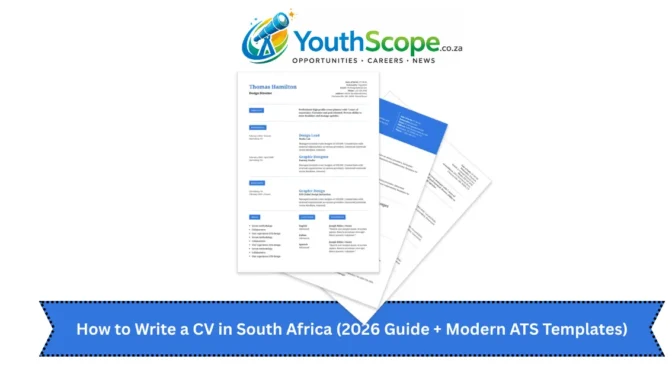
How to Write a CV in South Africa (2026 Guide + Modern ATS Templates)

Applying for jobs in South Africa in 2026 requires more than just listing your experience. Employers increasingly use ATS software to filter applications, and a clear, professional CV can make the difference between getting an interview and being overlooked.

This guide will show you step-by-step how to write a CV for South Africa, with tips, templates, and ATS-friendly formatting.

1️⃣ Understand the South African CV Format

A CV in South Africa typically includes these sections:

  1. Personal Information
    • Full name
    • Contact number
    • Professional email
    • LinkedIn profile (optional)
    • Physical address (optional)
  2. Professional Summary / Profile
    • 3–5 lines summarizing your experience, skills, and career goals
    • Focus on achievements and value you bring
  3. Key Skills
    • Include both technical and soft skills
    • Tailor to the job description
  4. Work Experience
    • List in reverse chronological order
    • Include: Job title, company, dates, key achievements
    • Use bullet points for clarity
  5. Education
    • Include relevant degrees, diplomas, or certificates
    • Include APS or matric results if applying for government or entry-level roles
  6. Additional Information (Optional)
    • Volunteer work
    • Languages
    • Professional affiliations
  7. References
    • Include 2–3 professional references or “Available on request”

2️⃣ Make Your CV ATS-Friendly

ATS (Applicant Tracking Systems) scan CVs for keywords and structure. Follow these tips:

  • Use standard headings: Work Experience, Education, Skills
  • Avoid images, tables, or fancy graphics
  • Use standard fonts: Arial, Calibri, Times New Roman
  • Save in .docx or PDF format (check employer preference)
  • Include keywords from the job description naturally

3️⃣ Tailor Your CV to Each Job

Generic CVs rarely get noticed. For each job:

  • Highlight relevant experience and skills
  • Match your keywords to the job posting
  • Adjust your professional summary to show why you are ideal for that role

4️⃣ Professional CV Tips for South Africa

  • Keep it 1–2 pages for most roles (longer CVs only if highly experienced)
  • Write in clear, concise language
  • Use action verbs: Managed, Implemented, Developed, Achieved
  • Quantify achievements: “Increased sales by 25% in 6 months”
  • Avoid including unnecessary personal info (age, ID, photo unless requested)

5️⃣ Modern CV Templates

Here are examples of ATS-friendly layouts:

Template 1 – Entry-Level / Student CV:

lessCopy code[Full Name]  
[Email] | [Phone] | [LinkedIn]

Professional Summary:  
Recent [Degree/Diploma] graduate with experience in [industry]. Skilled in [key skills].

Key Skills:  
- Skill 1  
- Skill 2  
- Skill 3  

Education:  
[Degree/Diploma] – [Institution] – [Year]  

Work Experience:  
[Job Title] – [Company] – [Dates]  
- Achieved…  
- Developed…  

References available on request

Template 2 – Experienced Professional CV:

lessCopy code[Full Name]  
[Email] | [Phone] | [LinkedIn]

Professional Summary:  
Experienced [Role] with [X] years in [Industry]. Proven track record of [Achievement/Skill].

Key Skills:  
- Skill 1  
- Skill 2  
- Skill 3  

Work Experience:  
[Job Title] – [Company] – [Dates]  
- Achievement 1 (quantified)  
- Achievement 2  
- Achievement 3  

Education:  
[Degree/Diploma] – [Institution] – [Year]  

Additional Information:  
Languages: English (Fluent), Afrikaans (Intermediate)  
Volunteer Work: [Organization], [Role], [Year]  

References available on request

6️⃣ Extra Tips for 2026

  • Include online portfolios or LinkedIn URLs if relevant
  • Keep formatting simple and professional
  • Proofread carefully for spelling and grammar errors
  • Update CV regularly to include new skills and achievements

Pro Tip: ATS + Human-Friendly Balance

A CV must pass ATS scanning and also impress a human recruiter. Keep it simple, concise, and visually clean, while emphasizing achievements and keywords.

7️⃣ Common Mistakes to Avoid

  • Using long paragraphs instead of bullet points
  • Overloading with unnecessary details
  • Including irrelevant personal info
  • Forgetting to tailor to the specific job
  • Using outdated templates or fonts

Conclusion

Writing a CV in South Africa in 2026 is about clarity, relevance, and impact. Use these templates, keep it ATS-friendly, and tailor it to each job. A professional, well-organized CV will significantly improve your chances of landing interviews, whether for the SANDF MSDS 2027, government jobs, or private sector roles.

Recent Posts

SANDF 2027 Recruitment Tests Explained: Fitness, Psychometric & Medical Requirements — Pass the First Time

Are you planning to join the South African National Defence Force (SANDF) in 2027?

Submitting your MSDS 2027 application is just the first step. The real challenge comes with the SANDF recruitment tests — and many candidates fail because they don’t know what to expect.

Here’s everything you need to know about fitness, psychometric, and medical requirements — and how to prepare to pass the first time.

What to Expect From SANDF 2027 Recruitment Tests

Once your application is shortlisted, the SANDF will invite you for a series of assessments:

  • Physical fitness test
  • Psychometric (aptitude) test
  • Medical evaluation
  • Final interview

Each stage is designed to assess your physical, mental, and medical suitability for military service. Failing any stage could disqualify you.

QUICK LINKS:

SANDF Fitness Test: What You Need to Know

Physical fitness is a key part of SANDF recruitment. Tests vary by branch (Army, Navy, Air Force, Military Health Service), but most candidates face:

  • 2.4 km run (timed)
  • Push-ups
  • Sit-ups
  • Pull-ups (optional in some branches)
  • General endurance assessment

Common Reasons Candidates Fail:

  • Poor cardiovascular endurance
  • Lack of consistent training
  • Underestimating the 2.4 km run
  • Being overweight or unfit

How to Prepare:

  • Train at least 8–12 weeks before the test
  • Run 3–4 times per week to build stamina
  • Do strength exercises (push-ups, sit-ups, core work)
  • Focus on overall endurance and healthy body weight

💡 Tip: Treat your preparation like basic military training — consistency is crucial.

SANDF Psychometric Test: Assessing Your Mind

The psychometric test evaluates your:

  • Intelligence and reasoning ability
  • Problem-solving skills
  • Personality and emotional stability
  • Leadership potential

RELATED:

  1. SANDF MSDS 2027 Application Mistakes That Get Candidates Rejected (And How to Avoid Them)
  2. SANDF Military Skills Development System (MSDS) 2027 Intake – Apply by 27 March

Types of Questions You Might Encounter:

  • Numerical reasoning
  • Verbal reasoning
  • Pattern recognition
  • Situational judgment

Common Reasons Candidates Fail:

  • Rushing through questions
  • Anxiety or lack of focus
  • Limited practice

How to Prepare:

  • Practice free aptitude tests online
  • Improve reading comprehension and basic maths
  • Stay calm, focused, and well-rested before the test

Remember: The psychometric test measures how you think — not just what you know.

SANDF Medical Requirements: Are You Fit to Serve?

Medical screening ensures all candidates are physically capable of military service. Tests usually include:

  • Vision and hearing checks
  • Blood pressure and general health assessments
  • Screening for chronic illnesses
  • Assessment of injuries
  • Drug and substance testing

Common Reasons for Rejection:

  • Poor eyesight beyond acceptable limits
  • Untreated medical conditions
  • Severe asthma or other disqualifying illnesses
  • Drug use
  • Past injuries affecting fitness

How to Prepare:

  • Address any medical concerns in advance
  • Avoid alcohol and substances before testing
  • Eat healthy and stay hydrated
  • Get sufficient rest

⚠️ Important: Providing false medical information can result in permanent disqualification.

Final Interview and Assessment

If you pass fitness, psychometric, and medical screening, you’ll attend a panel interview. Expect questions such as:

  • Why do you want to join the SANDF?
  • Are you prepared for military discipline and training?
  • How would you handle deployment or challenging situations?

💡 Tip: Confidence, honesty, and discipline make a strong impression.

How Competitive Is SANDF 2027?

Thousands apply each year, but only a limited number are selected. The difference between success and rejection often comes down to preparation and attention to detail.

SANDF 2027 Preparation Checklist

✔ Start physical training early
✔ Practice aptitude and reasoning tests
✔ Ensure medical fitness
✔ Submit honest and complete documents
✔ Mentally prepare for military discipline

Being well-prepared can dramatically improve your chances of passing the SANDF 2027 recruitment tests the first time.

FAQ

When do SANDF 2027 applications open?
Check the official SANDF website for updates — dates vary each year.

Can I apply without Matric?
Most MSDS roles require Grade 12; exceptions are rare.

Is SANDF training difficult?
Yes, it’s physically and mentally demanding, designed to prepare recruits for military life.

Recent Posts

SANDF MSDS 2027 Application Mistakes That Get Candidates Rejected (And How to Avoid Them)

Thousands of young South Africans apply for the South African National Defence Force (SANDF) every year through the Military Skills Development System (MSDS) programme — but many applications never make it past the first screening stage.

If you’re planning to apply for SANDF MSDS 2027, avoiding simple mistakes could be the difference between selection and rejection.

Here are the most common SANDF MSDS 2027 application mistakes — and how to avoid them.

1. Incomplete Application Forms

One of the biggest reasons candidates are rejected is submitting incomplete forms.

Missing:

  • Signatures
  • Required documents
  • Contact details
  • School results

Even one missing document can automatically disqualify your application.

Tip:
Double-check every page before submission. Use the official SANDF checklist and confirm that all certified copies are included.

2. Not Meeting Minimum Requirements

Before applying for SANDF MSDS 2027, make sure you meet the minimum criteria. While requirements may vary slightly by branch (Army, Navy, Air Force, Military Health Service), general requirements include:

  • South African citizenship
  • Age between 18–22 (or slightly higher for graduates)
  • Grade 12 certificate
  • No criminal record
  • Medically fit

If you don’t meet these requirements, your application will likely be rejected during pre-screening.

Tip:
Carefully read the official SANDF MSDS 2027 eligibility criteria before applying.

3. Submitting Poor Academic Results Without Required Subjects

Many applicants overlook subject requirements — especially for technical or specialized fields.

For example:

  • Maths and Physical Science may be required for technical trades.
  • Higher APS scores may be needed for certain branches.

If your results do not match the career field you selected, your application may be declined.

Tip:
Apply for roles that match your academic strengths and subject choices.

4. Incorrect or Uncertified Documents

Another major mistake is submitting:

  • Uncertified copies
  • Expired certifications (older than 3 months)
  • Blurry or unreadable copies
  • Missing ID copies

The SANDF requires properly certified documents for verification.

Tip:
Have your documents certified at a police station or commissioner of oaths before submission — and make sure certification is recent.

5. Late Applications

The SANDF does not accept late applications.

If the deadline passes, your application will not be processed — no exceptions.

Tip:
Submit early to avoid postal delays or last-minute problems.

6. Providing False Information

Some candidates try to hide medical issues or provide incorrect details about their criminal record or qualifications.

The SANDF conducts:

  • Background checks
  • Medical evaluations
  • Fitness assessments

Any false information can result in immediate rejection — or even permanent disqualification.

Tip:
Always provide honest and accurate information.

7. Ignoring Physical Fitness Preparation

The SANDF selection process includes physical assessments. Some candidates apply without preparing for:

  • Running tests
  • Strength tests
  • Medical screenings

Failing physical or medical tests can end your chances.

Tip:
Start preparing months before the selection process. Focus on cardio, strength, and overall fitness.

8. Choosing the Wrong Contact Details

If your phone number or email is incorrect, you may miss important communication about interviews or assessments.

Many candidates never receive updates because of incorrect contact information.

Tip:
Ensure your phone number is active and your email address is correctly written and regularly checked.

Final Thoughts: How to Improve Your Chances for SANDF MSDS 2027

The SANDF MSDS 2027 application process is competitive, and small mistakes can cost you a big opportunity.

To improve your chances:

✔ Carefully read all requirements
✔ Submit complete and certified documents
✔ Apply before the deadline
✔ Be honest
✔ Prepare physically and mentally

If serving in the South African National Defence Force is your goal, preparation and attention to detail are essential.

Frequently Asked Questions (FAQ)

When do SANDF MSDS 2027 applications open?
Application dates are usually announced officially by the SANDF. Always check official sources for updates.

Can I apply without Matric?
Most MSDS positions require Grade 12. Special cases are rare.

Is the SANDF MSDS programme paid?
Yes, selected candidates receive military training and a stipend during the two-year programme.

RELATED: Learnerships

SANDF Military Skills Development System (MSDS) 2027 Intake – Apply by 27 March

Pikitup Careers 2026: How to Apply for Jobs at Pikitup SOC Ltd

If you are looking for stable employment in Johannesburg, the Pikitup SOC Ltd careers page is the official place to find job opportunities. Pikitup is the waste management entity of the City of Johannesburg, responsible for refuse collection, recycling services, and environmental management across the metro.

Whether you’re interested in general worker posts, internships, or administrative roles, this guide explains how to apply safely and correctly.

Where to Find Pikitup Vacancies

All official vacancies are published on the Pikitup Careers Portal:
 https://pikitup.co.za/careers

If the website is temporarily unavailable, check the official City of Johannesburg website for mirrored listings. Always verify that the opportunity appears on an official platform before applying.

Types of Jobs at Pikitup

Pikitup regularly recruits for:

  • General Workers
  • Drivers and Fleet Support
  • Environmental Officers
  • Administrative and HR roles
  • Finance and Supply Chain positions
  • Internships and Learnerships

Most entry-level positions require:

  • Grade 10 or Grade 12 (depending on the post)
  • South African citizenship
  • Proof of residence (often within Johannesburg)
  • Ability to work shifts and outdoors (for operational roles)

QUICK LINKS:

Important: Beware of Job Scams

Pikitup frequently warns job seekers about fraudulent job adverts circulating on social media and WhatsApp groups.

🔴 Pikitup does NOT charge application fees.
🔴 Official communication will come from verified company channels.
🔴 Avoid paying anyone who promises job placement.

Always cross-check vacancies on the official careers page before submitting documents.

How to Apply for Pikitup Jobs

Follow these steps:

  1. Visit the official careers page.
  2. Select the vacancy you qualify for.
  3. Download and read the full job description carefully.
  4. Prepare required documents (usually CV, certified ID, qualifications).
  5. Submit your application as instructed (online or via provided email).

Ensure your CV includes:

  • Updated contact details
  • Relevant work experience
  • Clear employment history
  • Contactable references

Why Work at Pikitup?

Working at Pikitup offers:

  • Stable municipal employment
  • Exposure to environmental management services
  • Opportunities for growth within the City of Johannesburg
  • Contribution to keeping Johannesburg clean and sustainable

For many job seekers, especially youth and entry-level candidates, Pikitup roles provide a stepping stone into long-term public sector careers.

RELATED:

Pikitup Announces 400 General Worker Vacancies in Johannesburg 2026

Final Advice for Applicants

  • Apply before the closing date.
  • Follow instructions exactly.
  • Submit all required documents.
  • Keep copies of your application.
  • Monitor the careers page regularly for new opportunities.

If you’re serious about securing employment in Johannesburg’s public sector, checking the Pikitup Careers page frequently can help you stay ahead of new vacancies.

Recent Posts

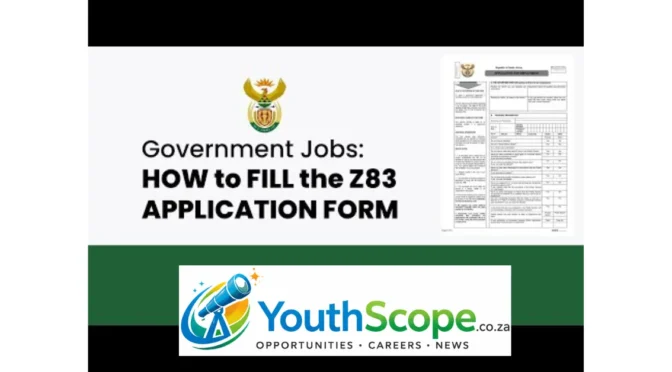
How to Fill Out the New Z83 Application Form for Government Jobs in South Africa

Applying for government jobs in South Africa requires completing the Z83 application form, a standard form used by public service departments, municipalities, and state-owned entities. Whether you’re applying for your first public sector role or transitioning from another career, understanding how to fill out the Z83 correctly is essential to make your application stand out.

What is the Z83 Form?

The Z83 form is an official South African government document that captures personal, educational, and work information from applicants. It’s essentially the backbone of your government job application and is mandatory for most public sector positions.

Completing it accurately ensures your application is considered and prevents disqualification due to errors or missing information.

Where to Get the Z83 Form

You can access the Z83 form in two ways:

  1. Download Online:
    The latest Z83 form is available on the South African Government website. It comes as a PDF ready for printing or digital completion.
  2. Obtain a Physical Copy:
    Some government offices and HR departments provide printed Z83 forms for applicants. This is useful if you prefer filling it out by hand.

Key Sections of the Z83 Form

Here’s a breakdown of the important sections:

  1. Personal Information:
    Full name, contact details, ID number, and citizenship.
  2. Position Details:
    Job title and reference number for the role you’re applying to.
  3. Education:
    Include all completed education—schools, universities, diplomas, and certificates.
  4. Work Experience:
    List previous employers, roles, responsibilities, and references.
  5. Criminal Record:
    Disclose any convictions honestly.
  6. Declaration:
    Sign and date to confirm that all information is truthful.

Tips for Filling Out the Z83 Form

  • Use black ink if completing by hand.
  • Attach certified copies of your ID, qualifications, and any required documents.
  • Follow the job advertisement instructions carefully—some may request additional documents like a CV or motivational letter.
  • Fill in all sections; write “N/A” if a section does not apply.
  • Ensure your contact details are current to receive interview calls.

Common Mistakes to Avoid

  1. Submitting an unsigned form.
  2. Leaving sections blank.
  3. Attaching uncertified copies of documents.
  4. Providing outdated or incorrect contact information.
  5. Failing to tailor the form to the specific job reference number.

Why the Z83 Form Matters

The Z83 is more than a form—it’s your first impression with the public service. Filling it accurately and professionally shows attention to detail, seriousness, and readiness for the role. A well-prepared application improves your chances of being shortlisted for interviews.

Final Thoughts

If you’re applying for government jobs in South Africa, start with the latest Z83 form and give it the attention it deserves. Pair it with a strong CV, supporting documents, and a tailored motivational letter to maximize your chances of success.

Pro Tip: Always keep a copy of your completed Z83 for future applications or updates.

Learnerships 2026: Top YouthScope Opportunities for South African Youth

Category: Learnerships 2026
Source: YouthScope Learnerships Category
Why It Matters: Hot entry-level training + workplace experience for youth with little or no work history

If you’re looking for real learnership opportunities in 2026 without needing tons of experience, YouthScope’s Learnerships category is one of the best places to find them — updated daily with new postings. YouthSpace

Learnerships in South Africa let you earn a stipendgain workplace exposure, and work toward nationally recognised qualifications — often with only Matric or lower education required. YouthSpace

What You’ll Find in the YouthScope Learnerships Category

Here are some of the opportunities featured recently on YouthScope (all for 2026):

Technical & Industrial Learnerships

  • Bidvest Facilities Management Unitary Installer Learnership (NQF Level 2) — technical and hands-on skills training. YouthSpace
  • Bridgestone Production Learnership (North West) — training in manufacturing environments. YouthSpace

Distribution & Logistics

  • Driver Learnerships (Onelogix Code 14) — skills toward driving and logistics roles. YouthSpace

Retail & Sales Learnerships

  • Stores Learnership for Persons Living with Disabilities — retail experience across South Africa. YouthSpace
  • Sales Learnership Youth Programme (Johannesburg) — entry point into sales careers. YouthSpace

Manufacturing & FMCG

  • SAB (AB InBev) Packaging Learnerships 2026 — learn packaging operations in food & beverage manufacturing. YouthSpace

Workplace Training

  • Workplace Based Learning (Majuba TVET College & CHIETA) — combine college skills with hands-on training. YouthSpace

Specialist Food Sector Training

  • Pick n Pay MasterCut Apprentice Programme (Blockman) — develop meat artisan skills. YouthSpace

Emerging & Other Opportunities

YouthScope continually adds new learnerships in sectors such as:

  • Financial services
  • ICT and IT support
  • Customer service
  • Warehousing and supply chain
  • Environmental and agricultural fields YouthSpace

To see the most recent postings, explore the full list on the Learnerships category page on YouthScope. YouthSpace

Why Youth Should Watch This Category

Learnerships are one of the best ways for youth to:

  • Build practical, workplace-ready skills
  • Earn a monthly stipend while you train
  • Complete a nationally recognised qualification
  • Gain exposure that boosts your CV and job prospects YouthSpace

Many youth who complete learnerships go on to:

  • Full-time employment
  • Apprenticeships
  • Further training or higher certificates YouthSpace

Tips Before You Apply

📌 Apply early: Learnerships often close once slots are filled. YouthSpace
📌 Prepare your documents: CV, certified ID, Matric certificate, and bank details if needed. YouthSpace
📌 Check eligibility: Age limits and qualifications vary by programme. 
📌 Apply widely: Applying for multiple opportunities boosts your chances. YouthSpace

Stay Updated

Learnership opportunities in 2026 are constantly being published on YouthScope as they open across sectors like retail, manufacturing, logistics, and services — so visit the Learnership category often for new leads and deadlines. YouthSpace

Training Force Learnership Application Form: How to Apply for Learnerships in South Africa

Category: Learnerships | Skills Development
Provider: Training Force
Application Type: Online (Open year-round)

If you’re an unemployed South African youth looking for a learnership opportunity, chances are you’ve come across the Training Force Learnership Application Form.

This form is the main gateway to learnerships offered by Training Force — a recognised skills development provider that places learners into funded programmes across different industries.

Here’s everything you need to know before you apply, so you don’t get rejected for avoidable reasons.

What Is the Training Force Learnership Application Form?

The Training Force Learnership Application Form is an online registration form used to capture details of individuals who want to be considered for current and future learnership opportunities.

Important to know:

  • You are not applying for one specific learnership
  • You are registering your details to be matched to available programmes
  • Applications sent by email or WhatsApp are not accepted

Once your details are captured, Training Force contacts you when a suitable learnership becomes available.

Who Can Apply?

Training Force learnerships usually target:

  • South African citizens
  • Unemployed youth aged 18–28 (sometimes up to 35)
  • Individuals with Grade 10, Matric, or higher
  • People not registered in another learnership or internship
  • Applicants available for full-time training

Some programmes are also reserved for people living with disabilities, depending on funding.

Documents You Must Prepare Before Applying

To avoid delays or rejection, make sure you have all documents ready before opening the form.

You will need to upload:

  • Updated CV
  • Certified copy of South African ID
  • Highest qualification or latest school report
  • Proof of banking (bank letter or stamped statement)
  • SARS tax number document
  • Proof of disability (if applicable)

 Tip: Files must be clear, readable, and correctly named.

What Information Does the Form Ask For?

The application form covers:

Personal Details

  • Full names and ID number
  • Gender, race, and disability status

Contact Information

  • Cellphone number
  • Email address
  • Residential address

QUICK LINKS:

Education & Employment

  • Highest grade passed
  • Last school attended
  • Current employment or study status

Banking Details

These are required so a stipend can be paid if you are accepted.

What Happens After You Apply?

After submitting the form:

  1. Your details are stored in the Training Force database
  2. You may receive an SMS or call for assessments
  3. If successful, you’ll be matched to a funded learnership
  4. You’ll receive instructions for onboarding and start dates

This process can take time — not being contacted immediately does not mean rejection.

Is There a Closing Date?

 No fixed closing date

The Training Force application form is usually open all year, but placements depend on:

  • Funding availability
  • Location
  • Qualification requirements
  • Equity targets

This means applying early improves your chances.

Why Apply Through Training Force?

Training Force works with:

  • Government funding bodies
  • SETAs
  • Corporate partners

Benefits of their learnerships often include:

  • Monthly stipends
  • Accredited qualifications
  • Practical workplace experience
  • Improved employability

Common Mistakes That Get Applicants Rejected

Avoid these errors:

❌ Incomplete documents
❌ Wrong contact details
❌ Uncertified ID copies
❌ Applying while already in a learnership
❌ Using someone else’s banking details

Small mistakes can cost you a placement.

YouthScope Advice

Treat this application like a long-term investment, not a quick job application.

Before submitting:

  • Double-check every document
  • Use a professional-looking CV
  • Be honest about your education
  • Make sure your phone is always reachable

Learnership providers look for commitment and reliability, not perfection.

Quick Summary

  • Provider: Training Force
  • Application type: Online learnership registration
  • Who should apply: Unemployed South African youth
  • Requirements: CV, ID, qualifications, banking proof
  • Closing date: Not specified (apply early)

CV Writing Tips for Learnerships 2026: How to Stand Out as a First-Time Applicant

CV Writing Tips for Learnerships (South Africa)

Applying for a learnership can feel stressful — especially if you’ve never worked before.

The good news?
Learnership recruiters do not expect experience. They look for potential, attitude, and basic effort.

At YouthScope, we review hundreds of learnership opportunities every year. These are the CV tips that actually help applicants get shortlisted.

1. Keep Your CV Short and Clear (1–2 Pages)

For learnerships, long CVs work against you.

Your CV should be:

  • 1 page (2 max)
  • Easy to read on a phone
  • Straight to the point

Avoid:

  • Long paragraphs
  • Fancy designs
  • Unnecessary personal stories

📌 Related: Latest Learnerships for South African Youth

2. Start With a Simple Personal Profile

Your personal profile goes at the top of your CV.

Keep it short — 3 to 4 lines only.

Example:

Motivated and reliable South African youth seeking a learnership opportunity to gain practical skills and workplace experience. Willing to learn, disciplined, and committed to completing training programmes.

This helps recruiters quickly understand who you are and why you’re applying.

3. Education Comes Before Experience

If you have little or no work experience, that’s okay.

Put your education section near the top.

Include:

  • Highest grade passed
  • School name
  • Year completed

Example:

  • Grade 12 (Matric) – 2025
  • XYZ Secondary School

📌 Tip: If you’re still studying, say “Currently completing”.

4. Highlight Skills That Match Learnerships

Learnerships focus on potential, not job history.

Add a Skills section, even if you’ve never worked.

Examples of good skills to include:

  • Communication skills
  • Time management
  • Teamwork
  • Willingness to learn
  • Basic computer skills
  • Physical fitness (important for artisan or retail learnerships)

📌 Related: Skills Development Opportunities for Youth

5. Use School or Community Experience

No job experience? Use what you do have.

You can include:

  • School leadership roles
  • Sports teams
  • Church or community volunteering
  • Helping in a family business
  • Practical school projects

Example:

  • Assisted with organising school events
  • Participated in group projects and presentations
  • Volunteered at community clean-up programmes

This shows responsibility and teamwork.

6. Keep Your CV Honest and Simple

Never lie on your CV.

Recruiters can spot:

  • Fake experience
  • Skills you can’t explain
  • Certificates you don’t have

It’s better to say:

“Willing to learn and develop skills”

Than to claim experience you don’t have.

7. Use a Professional CV Format

Your CV should be:

  • Typed (not handwritten)
  • Black text on white background
  • Saved as PDF
  • Clearly named (e.g. Name_Surname_CV.pdf)

Avoid:

  • Emojis
  • Slang
  • Nicknames
  • Unprofessional email addresses

📌 Tip: Create a simple email like
name.surname@gmail.com

8. Always Check the Learnership Requirements

Before submitting your CV:

  • Read the advert carefully
  • Match your CV to the programme
  • Include what they ask for

Some learnerships require:

  • Grade 12
  • Physical fitness
  • Specific subjects

📌 Related opportunities: Jobs & Opportunities for Youth

9. Attach Certified Documents (When Required)

Many learnerships ask for:

  • Certified ID copy
  • Certified Matric certificate

Make sure certifications are:

  • Clear
  • Not older than 3 months
  • Scanned properly

Final YouthScope Advice

A good CV doesn’t need experience — it needs effort and clarity.

Focus on:

  • Who you are
  • What you’ve studied
  • Your willingness to learn

That’s exactly what learnership providers want.

Ready to apply? Explore our Learnerships & Apprenticeships Hub and start today.