
Being Qualified Is No Longer Enough: Why Employability Matters More Than Ever for South African Youth in 2026

Thousands of young South Africans did exactly what they were told would secure their future.

They passed matric.
They studied further.
They completed certificates, diplomas, degrees, learnerships, and short courses.

Yet many are still unemployed.

This has become one of the biggest and most painful realities of South Africa’s job market in 2026:

A qualification alone no longer guarantees employment.

For many young people, this truth only becomes clear after years of job applications, rejections, and frustration.

Employers are no longer asking only:

“Are you qualified?”

They are now asking:

“Can you actually perform, communicate, solve problems, adapt, and contribute in a real workplace?”

Understanding this difference could completely change your career future.

What You Need to Know

Quick Overview

TopicExplanation
Being QualifiedHaving formal education, certificates or training
Being EmployableHaving practical skills, professionalism and workplace readiness
Main Problem in 2026Many applicants have qualifications but lack employability
What Employers WantCommunication, reliability, digital skills, teamwork and adaptability
Key RealityQualifications may get interviews, but employability gets jobs
Smart Career MoveBuild experience, confidence, skills and practical exposure

Why This Conversation Matters So Much in 2026

South Africa’s unemployment crisis has changed the way employers recruit.

Years ago, completing a qualification often opened doors automatically.

Today, competition is extremely high.

A single internship, learnership or graduate programme can receive thousands — sometimes tens of thousands — of applications.

This means employers now compare much more than academic results.

They look at:

  • Communication ability
  • Computer literacy
  • Professional behaviour
  • Confidence
  • Reliability
  • Work ethic
  • Adaptability
  • Problem-solving skills
  • Teamwork
  • Initiative

This explains why two people with the exact same qualification can experience completely different outcomes.

One gets hired quickly.
The other struggles for years.

The difference is often employability.

What Does “Qualified” Actually Mean?

Being qualified means you completed formal learning or training.

This may include:

  • Matric
  • TVET qualifications
  • University degrees
  • Learnerships
  • Apprenticeships
  • Short courses
  • Skills programmes
  • Diplomas or certificates

Qualifications are still important because they show:

  • You completed structured learning
  • You understand theory
  • You met academic standards
  • You gained technical knowledge

Many careers still legally require qualifications, including:

  • Nursing
  • Teaching
  • Engineering
  • Accounting
  • Healthcare
  • Policing
  • Technical trades
  • Law

Without the required qualification, you may not even qualify to apply.

But this is where many people make a dangerous mistake.

They believe:

“If I finish studying, employment is guaranteed.”

That is no longer the reality for many industries.

What Does “Employable” Mean in 2026?

Being employable means employers believe you can function effectively inside a real workplace.

It means they trust you can:

  • Handle responsibility
  • Work with people
  • Learn quickly
  • Solve problems
  • Adapt to pressure
  • Represent the organisation professionally
  • Add value consistently

Employability is about workplace readiness.

A highly employable person may not always have the highest qualification, but they often know how to:

  • Communicate professionally
  • Use workplace technology
  • Follow instructions
  • Work independently
  • Stay disciplined
  • Take initiative
  • Manage pressure
  • Learn continuously

This is what many employers now prioritise.

The Biggest Mistake Many Young People Make

One of the most common career mistakes is focusing only on qualifications while ignoring employability.

For example:

  • Someone may have a diploma but cannot communicate confidently
  • Another may have a degree but struggles in interviews
  • Someone may complete courses but lack practical skills
  • Another may know theory but fail to apply it practically

This creates a gap between education and workplace reality.

Employers notice this immediately.

Why Employers Care More About Employability Today

Modern workplaces are changing rapidly.

Companies now operate in environments that are:

  • More digital
  • Faster-paced
  • More competitive
  • More automated
  • Performance-driven

Employers increasingly want people who can contribute quickly without constant supervision.

This is especially true in industries like:

  • Banking
  • Retail
  • Logistics
  • Technology
  • Government administration
  • Customer service
  • Hospitality
  • Security
  • Call centres

Employers are now asking:

“Can this person survive and grow in a modern workplace?”

Not only:

“Did this person pass exams?”

Signs You May Be Qualified but Not Yet Employable

Many young people unknowingly fall into this category.

Warning Signs Include:

You only submit applications but never improve yourself

Sending CVs daily without building new skills often leads to frustration.

You struggle during interviews

This may indicate communication or confidence challenges.

Your CV only lists education

Strong employable profiles often include:

  • Volunteer work
  • Projects
  • Leadership roles
  • Technical skills
  • Community involvement
  • Achievements

You avoid learning technology

Digital literacy is now essential in almost every industry.

You wait for opportunities instead of creating momentum

Highly employable people actively build experience and visibility.

The Most Important Employability Skills in 2026

Communication Skills

Many employers reject candidates because they communicate poorly.

Important communication areas include:

  • Speaking professionally
  • Writing emails
  • Listening carefully
  • Telephone etiquette
  • Workplace behaviour

Simple things matter more than many people realise.

Digital Skills

Basic digital literacy is now almost mandatory.

Important skills include:

  • Microsoft Word
  • Excel
  • Email usage
  • Online applications
  • Google Docs
  • Virtual meetings
  • Internet research
  • Typing

Even many government applications are now fully digital.

Reliability

Employers highly value dependable people.

This includes:

  • Being punctual
  • Following instructions
  • Meeting deadlines
  • Taking accountability
  • Staying consistent

Reliability is one of the most underrated employability skills.

Adaptability

The workplace changes constantly.

Employers prefer people who can:

  • Learn quickly
  • Handle change
  • Work under pressure
  • Adjust to new systems
  • Work with different personalities

Emotional Maturity

Professional environments require emotional control.

This includes:

  • Handling criticism professionally
  • Managing conflict calmly
  • Respecting authority
  • Working well in teams
  • Staying composed under pressure

Problem-Solving Ability

Modern employers want thinkers, not only certificate holders.

They value people who can:

  • Identify problems
  • Suggest solutions
  • Think independently
  • Show initiative

Why Some People Without Degrees Get Hired Faster

This reality frustrates many graduates.

But often, those candidates are highly employable.

For example, someone without a degree may:

  • Communicate confidently
  • Understand workplace culture
  • Be excellent with customers
  • Learn quickly
  • Show initiative
  • Use technology comfortably

Meanwhile, a graduate may:

  • Lack confidence
  • Depend entirely on theory
  • Avoid responsibility
  • Struggle with teamwork

Employers often choose the person who seems easier to integrate into the workplace.

Why Experience Matters So Much

Experience remains one of the biggest employability boosters.

This is why opportunities like these matter:

  • Learnerships
  • Internships
  • Apprenticeships
  • YES programmes
  • EPWP programmes
  • Volunteer work
  • Contract work

These experiences teach:

  • Workplace behaviour
  • Time management
  • Teamwork
  • Communication
  • Practical systems
  • Professional discipline

Even unpaid experience can improve employability if it builds practical exposure.

How to Become More Employable in 2026

Build Practical Skills

Do not rely only on qualifications.

Add skills such as:

  • Computer literacy
  • Data capturing
  • Customer service
  • Social media management
  • Administration
  • Report writing
  • Public speaking

Improve Your CV

Your CV should show more than education.

Include:

  • Volunteer work
  • Achievements
  • Leadership roles
  • Projects
  • Technical skills
  • Online certifications

Practice Professional Communication

Learn:

  • Interview skills
  • Email writing
  • Workplace etiquette
  • Telephone professionalism

Small communication improvements create major advantages.

Gain Any Experience Possible

Even small opportunities matter.

Examples include:

  • Volunteering
  • Community projects
  • Freelancing
  • Church administration
  • Side hustles
  • Assisting local organisations

Experience builds confidence.

Develop a Learning Mindset

The most employable people continue learning constantly.

In a changing economy, adaptability matters more every year.

The Harsh Reality Many Graduates Discover

One major problem is that many education systems still focus heavily on theory.

But workplaces care more about:

  • Results
  • Productivity
  • Performance
  • Communication
  • Adaptability
  • Practical execution

This creates “qualification shock” for many graduates entering the workforce.

They realise:

  • Workplaces move faster
  • Expectations are different
  • Soft skills matter more
  • Practical thinking matters more

Why This Matters for South African Youth

Youth unemployment remains one of South Africa’s biggest challenges.

This means employability has become a major competitive advantage.

The candidates who stand out are usually those who combine:

  • Qualifications
  • Skills
  • Confidence
  • Experience
  • Professionalism
  • Adaptability

That combination creates opportunity.

The Future Beyond 2026

Artificial intelligence, automation and digital transformation are already changing jobs globally.

This means future workers must become:

  • More adaptable
  • More digitally confident
  • Better communicators
  • Stronger problem-solvers
  • Faster learners

Qualifications alone may continue losing power without practical capability.

Expert Career Advice for Young Job Seekers

If you are unemployed right now, do not assume your qualification is worthless.

It still matters.

But you must stop viewing it as the final step.

Your qualification is only one part of your employability profile.

Start building the other half:

  • Communication
  • Digital literacy
  • Practical experience
  • Professionalism
  • Confidence
  • Workplace exposure
  • Reliability

The goal is not only to become educated.

The goal is to become employable.

Understanding this earlier than others could place you ahead of thousands of applicants competing for the same opportunities.

Frequently Asked Questions (FAQ)

Is a qualification still important in 2026?

Yes. Many careers still require formal qualifications. However, qualifications alone are often no longer enough.

Can someone without a degree still become employable?

Yes. Communication skills, practical experience, professionalism and adaptability can greatly improve employability.

What are the most important employability skills today?

Important skills include:

  • Communication
  • Computer literacy
  • Teamwork
  • Reliability
  • Adaptability
  • Problem-solving

Explore More Opportunities:

Why do employers ask for experience for entry-level jobs?

Because employers prefer candidates who already understand basic workplace behaviour and require less supervision.

How can I improve employability without money?

You can:

  • Volunteer
  • Learn free online skills
  • Improve communication
  • Practice interviews
  • Gain community experience
  • Learn digital tools

Final Thoughts

South Africa’s job market has changed dramatically.

Qualifications still open doors, but employability determines who walks through them.

Young people who focus only on certificates may struggle.
Those who combine qualifications with practical skills, professionalism and adaptability position themselves far more strongly for the future.

In 2026, employability is no longer optional.

It is the difference between being qualified on paper and becoming valuable in the real world.

FNB Opens 2026 Graduate Development Programme for South African Graduates Ready to Shape the Future of Banking

South African graduates searching for meaningful career opportunities in banking, technology, analytics and innovation now have a chance to join one of the country’s leading financial institutions.

First National Bank (FNB) is inviting ambitious and talented graduates to apply for its 2026 Graduate Development Programme — an opportunity designed to help young professionals gain practical experience, industry exposure and long-term career growth within the banking sector.

For graduates struggling to gain workplace experience after university, this programme could become a powerful stepping stone into South Africa’s competitive corporate world.

What You Need to Know About the FNB Graduate Programme

Quick Summary

  • Company: First National Bank (FNB)
  • Programme: Graduate Development Programme 2026
  • Location: South Africa
  • Opportunity Type: Graduate Programme
  • Target Group: Final-year students and graduates
  • Fields Included: Banking, technology, analytics, engineering and finance
  • Application Closing Date: Not specified
  • Application Advice: Apply as early as possible
  • Work Structure: Full-time employment with structured development

Why This Graduate Opportunity Matters

One of the biggest challenges facing South African graduates today is the lack of work experience.

Many young professionals complete university qualifications only to face rejection because employers want practical skills and industry exposure.

The FNB Graduate Development Programme helps bridge that gap.

Instead of simply offering temporary training, the programme places graduates inside real business units where they can contribute to meaningful projects while developing professional skills.

For graduates interested in innovation, problem-solving, technology and customer experience, this programme offers far more than a standard entry-level job.

About the FNB Graduate Development Programme

FNB is searching for graduates who are curious, innovative and passionate about improving the future of banking in South Africa.

Participants will join different business divisions across retail and commercial banking environments and gain exposure to real operational and strategic projects.

Graduates will work full-time while participating in:

  • Structured learning sessions
  • Monthly development training
  • Action learning projects
  • Workplace mentorship
  • Professional growth initiatives

This combination of practical work and continuous development helps graduates build confidence, leadership ability and industry knowledge.

Career Areas Included in the Programme

Successful applicants may gain exposure to several exciting areas within banking and financial services.

Graduate Exposure Areas May Include

  • Credit analytics
  • Product development
  • Fraud and risk analysis
  • Financial management
  • Technology and systems development
  • Customer experience and usability
  • Brand management
  • Process improvement
  • Digital innovation

This broad exposure helps graduates discover where their strengths and interests fit within the financial services industry.

Who Can Apply for the FNB Graduate Programme?

FNB is mainly targeting final-year university students and graduates in high-demand fields linked to innovation, data, finance and technology.

Eligible Fields May Include

  • Actuarial Science
  • Mathematics
  • Statistics
  • Engineering
  • Physics
  • Information Systems
  • Computer Science
  • Chemistry
  • Data Science
  • UX and Customer Experience
  • Related qualifications

Graduates with strong analytical thinking and problem-solving ability are likely to stand out during the recruitment process.

FNB Engineering & Technology Graduate Programme

In addition to the main graduate programme, FNB is also recruiting graduates for its specialised Engineering and Technology stream.

This pathway focuses more heavily on technical and digital innovation within banking systems and technology environments.

Fields Often Considered

  • Technology
  • Engineering
  • Technical qualifications
  • Systems and software-related fields

As digital banking continues to grow rapidly, graduates with technical skills remain in high demand.

What FNB Looks for in Graduates

Strong academic performance matters, but employers also look closely at personality, attitude and potential.

FNB is searching for candidates who demonstrate:

  • Innovation and creativity
  • Problem-solving skills
  • Self-motivation
  • Adaptability
  • Curiosity and willingness to learn
  • Customer-focused thinking
  • Passion for technology and banking innovation

Graduates who can combine technical knowledge with communication and teamwork skills often perform well in corporate graduate programmes.

Benefits of Joining the FNB Graduate Programme

This programme offers more than just a job title.

Graduates receive structured development designed to help them grow professionally inside a major financial institution.

Key Benefits Include

  • Practical workplace experience
  • Exposure to real business operations
  • Structured graduate training
  • Mentorship and support
  • Career development opportunities
  • Participation in impactful business projects
  • Professional networking opportunities

For many graduates, programmes like this become the beginning of long-term corporate careers.

Documents You Should Prepare Before Applying

Before applying, make sure your documents are professional and updated.

Required Documents

  • Updated CV
  • Latest academic transcript

Some applicants may also choose to include:

  • Motivational letters
  • Certifications
  • LinkedIn profile links
  • Awards or leadership achievements

Your application should clearly reflect your skills, achievements and career interests.

How to Apply for the FNB Graduate Development Programme 2026

Interested graduates should apply online through the official FNB graduate application portals.

Before submitting your application:

  • Double-check all information
  • Ensure your academic transcript is updated
  • Use a professional email address
  • Keep your phone number active
  • Apply early

NB. Use the links given below to Apply

FNB Graduate Programme

Apply Online for the FNB Graduate Programme

FNB Engineering & Technology Graduate Programme

Apply Online for the FNB Engineering & Technology Graduate Programme 2026

Because no official closing date has been provided, early applications may improve your chances.

Application Closing Date

Closing Date: Not Specified

Applicants are strongly encouraged to apply as soon as possible.

Large graduate programmes often receive thousands of applications, and waiting too long can be risky.

Expert Career Tip: How Graduates Can Stand Out

Many graduates apply using generic CVs that fail to show personality, achievements or problem-solving ability.

Recruiters often look for more than marks alone.

Common Mistakes Applicants Make

  • Using poorly formatted CVs
  • Applying with incomplete documents
  • Ignoring spelling mistakes
  • Using unprofessional email addresses
  • Failing to explain achievements clearly
  • Submitting applications too late

Smart Ways to Improve Your Chances

  • Tailor your CV toward banking and innovation
  • Highlight leadership roles and projects
  • Mention technical skills clearly
  • Include teamwork and problem-solving examples
  • Keep your LinkedIn profile updated
  • Research FNB before interviews

Professional presentation can make a major difference during competitive graduate recruitment.

Explore More Opportunities:

Why Banking and Technology Careers Are Growing

South Africa’s banking industry continues to evolve rapidly through digital transformation, data analytics and customer-focused innovation.

Graduates with skills in technology, engineering, finance and analytics are increasingly valuable in modern banking environments.

This makes graduate programmes like FNB’s especially important for young professionals looking to build future-focused careers.

Final Thoughts

The FNB Graduate Development Programme 2026 offers South African graduates a valuable opportunity to enter the banking and financial services industry while gaining practical experience and professional development.

Whether your passion lies in analytics, engineering, technology, customer experience or innovation, this programme can help you develop the skills needed for long-term career success.

For graduates ready to learn, adapt and grow inside a leading corporate environment, this opportunity could become the beginning of an exciting professional journey.

MERSETA-accredited Feltex Opens 2026 Millwright Apprenticeship Opportunities for South African Youth

Young South Africans looking for a practical career with long-term growth now have an exciting opportunity to enter the manufacturing industry through a fully structured apprenticeship programme.

Feltex has officially opened applications for its 2026 Apprentice Millwright Programme in Gqeberha, giving unemployed youth the chance to gain technical training, workplace experience, and artisan development within South Africa’s automotive sector.

For learners interested in engineering, industrial maintenance, electrical systems, and hands-on technical work, this apprenticeship could become the foundation of a stable and highly respected career.

What You Need to Know About the Feltex Apprenticeship

Quick Summary

  • Company: Feltex
  • Programme: Apprentice Millwright Programme 2026
  • Industry: Automotive Manufacturing
  • Location: Gqeberha, Eastern Cape
  • Programme Duration: 4 Years
  • Training Authority: MERSETA
  • Department: Maintenance
  • Application Closing Date: 14 May 2026
  • Opportunity Type: Apprenticeship
  • Target Group: Unemployed South African youth with technical interest

Why This Apprenticeship Could Change Your Future

South Africa continues to face a shortage of qualified artisans, especially in manufacturing and engineering environments.

That is why apprenticeships remain some of the most valuable opportunities available to young people today.

Unlike many entry-level jobs, an apprenticeship gives you both formal technical training and real workplace experience. Instead of learning only in a classroom, apprentices work directly with industrial equipment and experienced professionals.

For many young people, this creates a direct path into skilled employment and long-term career security.

The Feltex Millwright Apprenticeship is especially valuable because it offers exposure to the automotive manufacturing industry — one of South Africa’s most important industrial sectors.

What Is a Millwright Apprenticeship?

A millwright is a skilled artisan responsible for installing, maintaining, repairing, and troubleshooting industrial machinery and equipment.

Millwrights often work with:

  • Electrical systems
  • Mechanical equipment
  • Automated production machinery
  • Industrial maintenance systems
  • Manufacturing technology

Because modern factories rely heavily on automation and machinery, qualified millwrights are highly important in production environments.

This career path can open doors to opportunities across manufacturing, mining, engineering, logistics, and industrial maintenance sectors.

About the Feltex Apprentice Millwright Programme

Feltex is offering a structured 4-year apprenticeship designed to develop skilled technical professionals through accredited training and workplace learning.

The programme combines:

  • MERSETA-accredited artisan development
  • Technical college learning
  • Practical plant experience
  • Electrical and fitter training
  • Exposure to industrial production systems

Successful apprentices will work within a real manufacturing environment while building valuable technical and maintenance skills.

This hands-on approach helps learners become job-ready artisans with practical industry knowledge.

Who Can Apply for the Feltex Apprenticeship?

Feltex is looking for technically minded individuals who are eager to learn and willing to work in an industrial environment.

Applicants should meet one of the following educational requirements:

Minimum Requirements

Option 1

  • Grade 12 with Mathematics and Science

OR

Option 2

N3 qualification including:

  • Electrical Trade Theory or Fitter Trade Theory
  • Mathematics
  • Engineering Science

Applicants should also be willing to participate fully in both training and workplace learning activities.

Important Skills and Personal Qualities

Technical ability matters, but attitude and willingness to learn are equally important.

Successful candidates should demonstrate:

  • Strong problem-solving ability
  • Good communication skills
  • Teamwork and cooperation
  • Ability to work independently
  • Good decision-making skills
  • Physical fitness
  • Strong hand-eye coordination
  • Willingness to work in heavy industrial conditions
  • Comfort working at heights
  • Flexibility to travel or train away from home if required

Manufacturing environments can be demanding, so employers often look for disciplined and motivated candidates.

What Apprentices Will Learn During the Programme

This apprenticeship offers practical exposure to real industrial maintenance operations.

During the programme, apprentices may learn how to:

  • Maintain industrial machinery
  • Diagnose equipment faults
  • Support production line operations
  • Work with electrical and mechanical systems
  • Follow safety procedures
  • Perform maintenance inspections
  • Operate manufacturing equipment
  • Apply quality standards in production environments

Apprentices will also receive technical training through accredited institutions and practical workplace development.

Why MERSETA Accreditation Matters

One major advantage of this opportunity is its connection to MERSETA-accredited artisan training.

MERSETA supports skills development within manufacturing and engineering industries across South Africa.

This means apprentices receive recognised training that can strengthen future employment opportunities both locally and nationally.

For many artisans, accredited apprenticeship training becomes the first step toward becoming fully qualified technical professionals.

Benefits of the Feltex Apprenticeship Programme

This programme offers more than just workplace exposure.

Key Benefits Include

  • Four years of structured technical development
  • Workplace experience in automotive manufacturing
  • Exposure to advanced industrial equipment
  • Accredited artisan training
  • Opportunity to develop scarce technical skills
  • Career growth within manufacturing and engineering industries
  • Potential future employment opportunities

Practical experience gained during apprenticeships often gives candidates an advantage when applying for future technical jobs.

Documents You Should Prepare Before Applying

Before submitting your application, prepare all important documents carefully.

Commonly Required Documents

  • Updated CV
  • Certified copy of ID
  • Grade 12 certificate or N3 qualification
  • Academic transcripts if available
  • Contactable references
  • Proof of residence

Ensure all information is accurate and professionally presented.

How to Apply for the Feltex Apprentice Millwright Programme 2026

Interested applicants should apply through the official Feltex application process before the closing date.

Before submitting:

  • Double-check your documents
  • Ensure your contact details are correct
  • Use a professional email address
  • Carefully read all instructions
  • Submit your application early

Click here to apply for Feltex Apprentice Millwright Programme 2026

Late applications may not be considered.

Application Closing Date

Closing Date: 14 May 2026

Applicants are encouraged to apply as soon as possible to avoid last-minute problems or missed deadlines.

Expert Career Tip: How to Stand Out in Technical Apprenticeship Applications

Many apprenticeship applicants focus only on qualifications and forget the importance of professionalism.

Common Mistakes Applicants Make

  • Incomplete applications
  • Incorrect phone numbers
  • Poorly written CVs
  • Missing supporting documents
  • Applying at the last minute
  • Ignoring instructions

Smart Ways to Improve Your Chances

  • Highlight technical subjects clearly on your CV
  • Mention any hands-on experience or projects
  • Show willingness to learn
  • Keep your CV neat and simple
  • Research the company before applying
  • Apply early

Employers often look for candidates who are reliable, disciplined, and eager to grow.

A strong attitude can make a powerful impression.

Explore More Opportunities:

A Valuable Opportunity for Future Artisans

Technical careers continue to offer strong long-term potential in South Africa’s economy.

For young people interested in engineering, manufacturing and industrial systems, the Feltex Apprentice Millwright Programme could become a life-changing opportunity.

Through accredited training, practical experience and industry exposure, apprentices can build skills that remain valuable for years to come.

If you meet the requirements and have a passion for technical work, this could be your chance to start building a real career in the manufacturing industry.

Grade 10? You Can Still Apply: iLearn Opens SETA Learnership Opportunities for South African Youth

Thousands of young South Africans believe their future opportunities ended when they did not complete Grade 12. But that is not always true.

iLearn is giving qualifying youth another chance through SETA-accredited learnership opportunities designed to help unemployed South Africans gain workplace skills, practical experience, and nationally recognised qualifications.

For many applicants, especially those with only a Grade 10 pass, this could become the first real step toward employment, career growth, and long-term stability.

If you have been searching for learnerships in South Africa for 2026, this opportunity could be worth serious attention.

What You Need to Know About the iLearn Learnership Application

Quick Summary

  • Programme Type: SETA-accredited learnership opportunities
  • Minimum Qualification: Grade 10
  • Location: South Africa
  • Target Group: Unemployed youth aged 18–34
  • Who May Apply: South African citizens from previously disadvantaged groups
  • Disability Inclusion: Applicants living with disabilities are encouraged to apply
  • Training Style: Classroom learning plus workplace experience
  • Stipend: Paid monthly depending on SETA and programme level
  • Application Method: Online application submission
  • Career Fields: Depends on available learnership placements and employer needs

Why This Opportunity Matters for South African Youth

One of the biggest challenges facing young people in South Africa is access to opportunity.

Many internships, graduate programmes and learnerships require Grade 12 or tertiary qualifications. This often leaves Grade 10 and Grade 11 applicants feeling excluded from skills development opportunities.

The iLearn application pathway offers something different.

Instead of shutting the door completely, it creates a possible route into accredited workplace learning for qualifying candidates who may not yet have higher qualifications.

That matters because practical experience can sometimes become the bridge between unemployment and a real career.

What Is an iLearn Learnership?

A learnership is a structured learning programme that combines theoretical education with practical workplace training.

Unlike short courses that focus only on classroom learning, learnerships help participants build real-world job experience while studying toward an NQF-registered qualification.

This means selected learners can gain:

  • Workplace exposure
  • Industry knowledge
  • Practical skills
  • Professional experience
  • Nationally recognised qualifications

For first-time job seekers, this type of training can make a major difference when applying for future jobs.

Who Can Apply for the iLearn Learnership Opportunities?

The application process is aimed mainly at unemployed South African youth looking for skills development opportunities.

Applicants may qualify if they meet these general requirements:

  • South African citizen
  • Between 18 and 34 years old
  • Unemployed
  • Minimum Grade 10 qualification
  • Able to participate in full-time training
  • Ready for both theory and workplace learning

Applicants from previously disadvantaged backgrounds may be prioritised depending on placement needs.

People living with disabilities are also encouraged to apply.

Minimum Requirements Applicants Should Meet

Although Grade 10 is accepted, applicants still need to prepare properly.

Basic requirements generally include:

  • Grade 10 pass or higher
  • Valid South African ID
  • Availability for full-time learning
  • Willingness to complete assessments and workplace tasks
  • Required supporting documents ready

Meeting the minimum requirements does not guarantee selection, but it allows candidates to be considered for available placements.

Documents You Must Prepare Before Applying

One of the fastest ways to lose an opportunity is submitting incomplete or unclear documents.

Before starting the application, prepare the following:

Required Supporting Documents

  • Updated CV
  • Certified copy of ID
  • Proof of highest qualification
  • Proof of residence
  • Proof of SARS or income tax number
  • Disability documents if applicable

Make sure all documents are:

  • Clear and readable
  • Correctly certified if required
  • Uploaded in the correct format
  • Updated with current information

Blurry or incomplete documents can delay or weaken your application.

Opportunities for Applicants Living With Disabilities

The iLearn pathway also welcomes applications from people living with disabilities.

Where disability documentation is required, applicants may need:

  • A medical confirmation letter
  • Doctor’s contact details
  • Practice number
  • Supporting medical information

This information may be verified during the recruitment or vetting process.

Inclusive workplace learning opportunities remain important for improving equal access to employment in South Africa.

What Type of Training Will Selected Learners Receive?

Successful applicants may participate in two major learning components:

Theory Training

This includes structured learning sessions focused on knowledge, industry understanding and assessments.

Workplace Learning

Learners also gain practical experience inside a real working environment.

This combination helps participants develop confidence, workplace behaviour, communication skills and practical job readiness.

For someone with little or no work experience, that exposure can become extremely valuable.

Will Learners Receive a Monthly Stipend?

Yes, selected learners may receive a stipend during the programme.

The amount depends on:

  • The SETA involved
  • Learnership level
  • Employer funding
  • Programme structure

The stipend is meant to assist with basic participation costs such as:

  • Transport
  • Meals
  • Daily expenses

Applicants should avoid assuming a fixed amount unless it is officially confirmed during placement or shortlisting.

Why Some Learnership Applications Get Rejected

Many young people miss opportunities because they rush their applications.

Even strong candidates can be rejected because of avoidable mistakes.

Common Application Mistakes

  • Missing certified documents
  • Unclear uploads
  • Incorrect contact details
  • Outdated CVs
  • Unprofessional email addresses
  • False information
  • Ignoring instructions
  • Inactive cellphone numbers after applying

Recruiters often receive thousands of applications.

A clean, professional and organised submission immediately creates a better impression.

Expert Career Tip: How to Improve Your Chances

A Grade 10 qualification does not automatically disqualify you from success.

The key is professionalism.

Simple Ways to Stand Out

  • Keep your CV short and easy to read
  • Use a professional email address
  • Clearly list your highest grade passed
  • Double-check every document before uploading
  • Make sure your phone number works
  • Respond quickly if contacted

Employers often look for attitude, reliability and willingness to learn — not only marks.

A neat application already places you ahead of many careless applicants.

What Happens After You Apply?

Submitting an application does not guarantee immediate placement.

Some applications may remain on file while iLearn matches candidates to available opportunities.

Applicants may later be contacted for:

  • Additional information
  • Interviews
  • Assessments
  • Placement opportunities

This process can take time, so applicants should stay patient and continue applying for other internships, learnerships and jobs for youth in South Africa.

How to Apply for the iLearn Learnership Application

Applications must be submitted through the official iLearn application process.

Before applying:

  • Prepare all documents first
  • Complete the form carefully
  • Ensure all information is accurate
  • Double-check uploads before submitting

Incorrect information may affect your chances during verification.

Application Closing Date

Applicants are encouraged to apply as early as possible.

Some learnership opportunities may close once enough applications are received or when placements are filled.

Waiting until the last minute can increase the risk of missing out.

Why Learnerships Remain Important in South Africa

Learnerships continue to play a major role in helping unemployed youth gain workplace exposure and recognised qualifications.

For many South Africans, these programmes become the first real chance to:

  • Build work experience
  • Improve employability
  • Develop confidence
  • Gain professional references
  • Enter long-term career pathways

Even a single learnership can help open future opportunities in different industries.

Explore More Opportunities:

Final Thoughts

The iLearn Grade 10 Learnership Application pathway offers hope to young South Africans who may feel excluded from traditional career opportunities.

With workplace learning, practical exposure, and SETA-accredited training, this opportunity may help applicants take an important first step toward employment and career development.

While competition is high, preparation matters.

A professional CV, complete documents and careful attention to instructions can improve your chances significantly.

Sometimes one opportunity is all it takes to change your future.

SASSETA Could Change Your Future: Exciting Learnerships, Internships and Bursaries South African Youth Should Watch in 2026

For thousands of unemployed young South Africans, finding a real opportunity can feel impossible. Many graduates sit at home without experience, while matriculants struggle to enter the job market for the first time.

That is why SASSETA-funded programmes continue to attract attention across the country.

These opportunities are more than just training programmes. They give young people practical workplace experience, nationally recognised qualifications, monthly stipends, and a possible pathway into careers within policing, law, security, justice and public safety.

If you are searching for 2026 internships, learnerships, bursaries or entry-level opportunities in South Africa, this could be one of the smartest career paths to explore.

What You Need to Know About SASSETA Opportunities

Quick Summary

  • Programme Type: Learnerships, internships, bursaries and skills programmes
  • Sector: Safety, security, policing, justice and legal services
  • Who Can Apply: South African youth, graduates, matriculants and unemployed individuals
  • Age Group: Mainly youth aged 18–35
  • Funding: SASSETA-funded training and workplace programmes
  • Stipend: Usually between R3,500 and R6,000 depending on the programme
  • Qualification Levels: NQF Level 3 to NQF Level 5
  • Application Method: Online, email or in-person applications
  • Fields Covered: Security, policing, legal services, corrections and law enforcement

Why SASSETA Opportunities Matter More Than Ever

South Africa continues to face serious youth unemployment challenges. Many young people have qualifications but no experience, while others have the passion to work in safety and justice but do not know where to start.

The Safety and Security Sector Education and Training Authority (SASSETA) helps bridge that gap.

Its mission is to develop skilled professionals who can contribute to safer communities, stronger justice systems and better public protection services.

For young people, this means access to funded training opportunities that can lead to real employment and long-term career growth.

Instead of sitting at home waiting for a job, many learners gain workplace exposure while studying toward recognised qualifications.

What Exactly Is SASSETA?

SASSETA is one of South Africa’s official Sector Education and Training Authorities (SETAs).

The organisation focuses on skills development in sectors linked to:

  • Law enforcement
  • Private security
  • Policing
  • Corrections
  • Legal services
  • Justice administration
  • Intelligence and community safety

Through partnerships with employers, training providers and government institutions, SASSETA funds programmes designed to prepare young South Africans for careers in these important industries.

Who Can Apply for SASSETA-Funded Programmes?

Many opportunities are designed specifically for unemployed youth and entry-level job seekers.

You may qualify if you are:

  • A South African citizen
  • Between 18 and 35 years old
  • Currently unemployed
  • Not studying full-time
  • Interested in law, policing, justice or security careers
  • A matriculant or graduate looking for workplace experience

People living with disabilities are also strongly encouraged to apply for available programmes.

Even if you do not have work experience yet, some learnerships are designed to help beginners enter the workforce for the first time.

Popular SASSETA Learnerships and Career Fields

One of the biggest advantages of SASSETA programmes is the variety of career paths available.

Depending on your interests and qualifications, you may find opportunities in several specialised fields.

Learnerships Often Include:

  • General Security Practices (NQF Level 3)
  • Law Enforcement Officer Training (NQF Level 4)
  • Paralegal Practice (NQF Level 5)
  • Legal Secretary Training (NQF Level 5)
  • Close Protection Officer Training (NQF Level 5)

These programmes combine classroom learning with practical workplace training.

That means learners graduate with both theoretical knowledge and hands-on experience.

Short Skills Programmes That Can Boost Your CV

Not every opportunity lasts a full year.

SASSETA also supports short skills programmes that help young people develop targeted workplace skills.

These may include:

  • Crime prevention techniques
  • Conflict management
  • Court interpreting
  • Administrative support
  • Community safety practices

Short courses can strengthen your CV and improve your chances of securing permanent employment later.

Internship Opportunities for Graduates

Graduates often struggle because employers demand experience before offering jobs.

SASSETA-funded internships help solve this problem by placing graduates in real working environments where they can learn practical industry skills.

Internship opportunities may be available through:

  • Government departments
  • Municipalities
  • Legal organisations
  • Security companies
  • NGOs
  • Public safety institutions

This workplace exposure can make a major difference when applying for future jobs.

Bursaries That Help Students Continue Their Studies

For students who cannot afford tertiary education, SASSETA bursaries may provide valuable support.

Funding may cover:

  • Tuition fees
  • Accommodation
  • Textbooks
  • Meals and learning materials

Fields linked to law, criminal justice, policing and security studies are usually prioritised.

For many students, bursary funding becomes the key that allows them to continue studying without financial stress.

Documents You Should Prepare Before Applying

Many applicants lose opportunities because they wait until the last minute to collect important documents.

Prepare these early to avoid unnecessary delays.

Commonly Required Documents

  • Certified copy of your ID
  • Certified Matric certificate
  • Updated CV
  • Proof of residence
  • Academic records or qualifications
  • Affidavit confirming unemployment
  • Police clearance certificate (for some security programmes)

Ensure your documents are clear, updated and professionally organised.

How to Apply for SASSETA Opportunities

One important thing to understand is that SASSETA does not always advertise opportunities directly.

Applications are often managed through employers, training providers or partner organisations.

Where Opportunities Are Usually Advertised

  • Accredited training providers
  • SAPS and law enforcement institutions
  • Municipalities
  • Government departments
  • Youth employment platforms
  • NGO programmes

Application Methods

Depending on the programme, applications may be submitted:

  • Online
  • Via email
  • In person

Always follow the instructions carefully.

Missing documents or incorrect information can lead to automatic disqualification.

Trusted Training Providers to Watch

Several accredited providers regularly offer SASSETA-funded programmes.

Some well-known names include:

  • Security Academy
  • Justice College
  • Khulani HR Consulting
  • Lawhill College
  • SAPS Academy

These institutions may advertise internships, learnerships and short skills programmes throughout the year.

Checking their websites and social media pages regularly can help you stay ahead of new opportunities.

What Happens After You’re Accepted?

Being selected is only the beginning.

Most learnerships include:

  • Classroom-based learning
  • Workplace practical training
  • Assessments and assignments
  • Workplace logbooks

Learners are expected to remain disciplined, punctual and committed throughout the programme.

Completing the full programme successfully can improve your employability significantly.

Monthly Stipends and Financial Support

One reason many young people apply for SASSETA programmes is the financial support provided during training.

Typical monthly stipends may include:

  • Learnerships: Around R3,500 – R4,500
  • Internships: Around R4,500 – R6,000
  • Skills programmes: Varies by provider and programme type

Bursary recipients may receive additional educational support.

Importantly, these stipends do not need to be repaid.

They are meant to help learners participate fully in their training.

Where to Find the Latest SASSETA Opportunities in South Africa

Opportunities can open unexpectedly during the year.

To stay informed, regularly check:

  • The official SASSETA website
  • Social media pages
  • Accredited training provider websites
  • SA youth employment portals
  • Municipal career pages
  • Government opportunity platforms

Many applications close quickly due to high demand.

Early preparation can give you a major advantage.

Explore More Opportunities:

Expert Career Tip: How to Stand Out From Thousands of Applicants

Many young people apply for learnerships and internships using rushed applications filled with mistakes.

This immediately reduces their chances.

Common Mistakes Applicants Make

  • Submitting incomplete documents
  • Using outdated CVs
  • Ignoring application instructions
  • Applying after the closing date
  • Using unprofessional email addresses

Smart Ways to Improve Your Chances

  • Keep your CV short, clean and updated
  • Use a professional email address
  • Double-check all certified documents
  • Apply early instead of waiting for the deadline
  • Research the organisation before applying

Professionalism matters — even for entry-level opportunities.

Small details can separate successful applicants from rejected ones.

A Powerful Opportunity for South African Youth

Careers in safety, law enforcement and justice are important to South Africa’s future.

For unemployed youth, SASSETA-funded opportunities can provide more than just temporary training. They can create real pathways into stable careers with long-term growth potential.

Whether you dream of working in law enforcement, legal administration, community safety or security services, these programmes could help you take your first step toward that future.

The competition may be high, but preparation, persistence and professionalism can make all the difference.

Your career journey could begin with one application

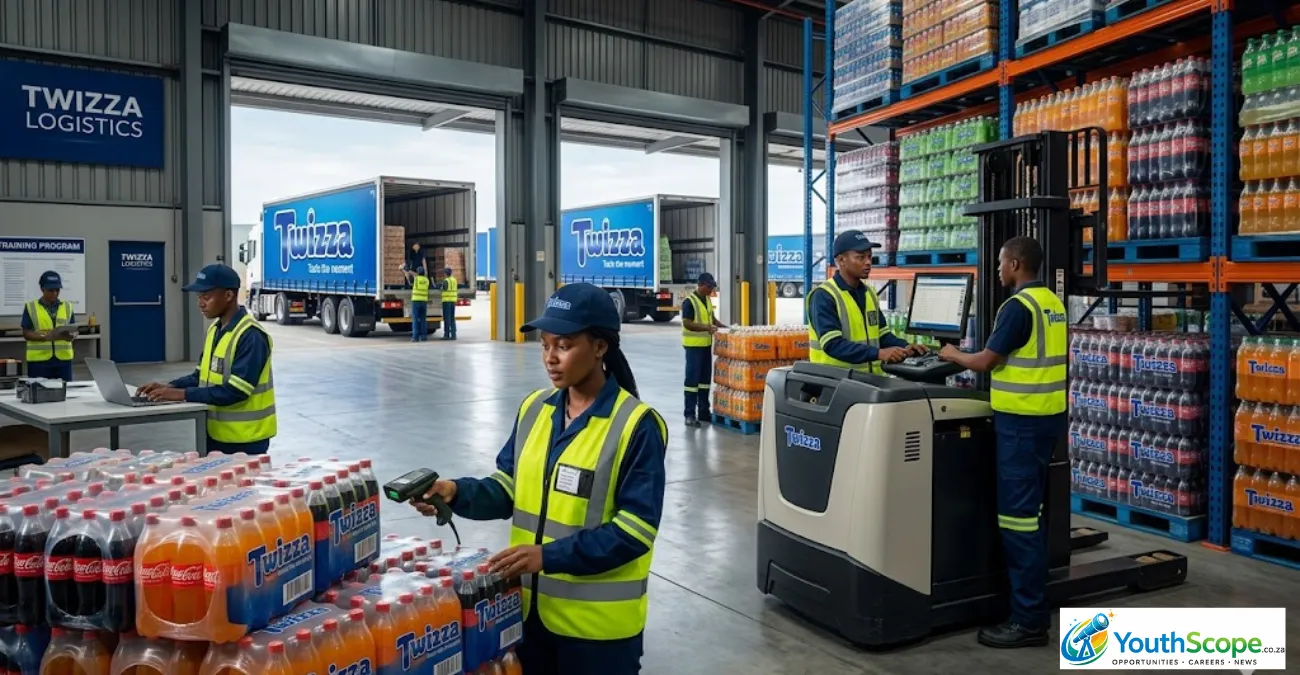
Twizza Logistics & Supply Chain Opportunities 2026 (WIL & Graduates) – Bellville FMCG Career Path

Application Closing Date: 29 May 2026
Location: Bellville, Western Cape, South Africa
Programme Duration: Work Integrated Learning (WIL) / Graduate Experience (duration depends on placement)
Monthly Stipend/Salary: Market Related
Organisation: Twizza
Qualification Requirements: Logistics or Supply Chain Management Diploma, Advanced Diploma, or Degree (WIL students must require workplace exposure)

South African students and graduates continue to face one major challenge when entering the job market: employers want experience, but experience is hard to get without a first opportunity.

The Twizza Logistics & Supply Chain Opportunities 2026 programme is designed to address exactly this gap. It gives students requiring Work Integrated Learning (WIL) and graduates needing workplace exposure a chance to build real experience in a fast-paced FMCG environment.

This opportunity is based in Bellville, Western Cape, and forms part of Twizza’s long-term talent development pipeline in logistics and supply chain management.

About the Twizza Logistics & Supply Chain Opportunity

This programme is offered by Twizza within the fast-moving consumer goods (FMCG) industry, which includes the production, distribution, and supply of everyday consumer products.

It is designed for:

  • Students who still need workplace exposure to complete their qualification (WIL)
  • Graduates who want to gain real industry experience

Participants will work in a real operational environment where logistics and supply chain processes are actively managed.

Instead of only classroom learning, candidates are exposed to actual business operations such as inventory movement, distribution systems, and procurement processes.

Why Is This Opportunity Important?

The logistics and supply chain sector is one of the most important parts of the South African economy. Every product that reaches a shop shelf depends on supply chain professionals.

However, many young people struggle to enter this field because employers require experience.

This opportunity helps bridge that gap by offering:

  • Practical workplace exposure in FMCG operations
  • Industry-relevant training and mentorship
  • Exposure to real supply chain systems
  • Improved employability for graduates and students
  • A pathway into long-term careers in logistics

Experience gained in FMCG environments is highly valued across industries such as retail, manufacturing, warehousing, and distribution.

Who Should Apply?

This opportunity is suitable for:

  • TVET College students needing WIL placement
  • University of Technology students
  • University graduates
  • Diploma or Advanced Diploma holders
  • Degree holders in logistics or supply chain fields
  • Youth interested in FMCG and logistics careers

Applicants should be motivated, willing to learn, and interested in operational business environments.

What Qualifications Are Needed?

Applicants must have or be studying toward qualifications such as:

  • Diploma in Logistics and Supply Chain Management
  • Advanced Diploma in Logistics and Supply Chain Management
  • Bachelor’s Degree in Logistics and Supply Chain Management
  • Related qualifications in supply chain or business operations

WIL applicants must be students who still require workplace training to complete their qualification.

What Will Participants Do?

Depending on placement, participants may gain exposure to:

Procurement and Supplier Management

  • Supplier communication
  • Order tracking
  • Purchase support
  • Procurement administration

Inventory Management

  • Stock control systems
  • Warehouse operations
  • Inventory reporting
  • Product tracking

Distribution and Transportation

  • Delivery coordination
  • Route planning
  • Transport scheduling
  • Fleet support operations

Supply Chain Coordination

  • Cross-department communication
  • Operational planning
  • Workflow tracking
  • Process monitoring

This exposure provides a full understanding of how FMCG supply chains operate.

Skills You Will Gain

This programme helps build both technical and workplace skills.

Technical Skills

  • Supply chain systems understanding
  • Inventory and stock management
  • Procurement processes
  • Data tracking and reporting

Workplace Skills

  • Communication and teamwork
  • Problem-solving ability
  • Time management
  • Attention to detail
  • Professional workplace behaviour

One of the most important skills developed is data handling using Microsoft Excel.

Why Excel Skills Matter in This Field

Excel is widely used in logistics and supply chain roles for:

  • Stock tracking
  • Inventory reports
  • Delivery schedules
  • Procurement monitoring
  • Data analysis

Useful Excel skills include:

  • Basic formulas
  • VLOOKUP
  • Pivot tables
  • Data filtering
  • Spreadsheet organisation

Candidates with strong Excel skills often have a competitive advantage.

Important Information About the Programme

This is a talent pipeline opportunity.

This means:

  • It is not a guaranteed job placement
  • Candidates may be contacted later when opportunities open
  • Twizza builds a database of potential future employees
  • Additional assessments may be required

Applicants should understand that selection may take place over time, not immediately after applying.

Minimum Requirements

Applicants must:

  • Not have participated in previous internships or WIL programmes
  • Be computer literate
  • Have Microsoft Office (especially Excel) knowledge
  • Show analytical and problem-solving ability
  • Have strong communication skills
  • Be detail-oriented
  • Be willing to learn and work in teams

Required Documents

Applicants should prepare:

  • Updated CV
  • Certified qualification copies
  • Certified ID copy
  • Academic transcripts (if available)
  • Proof of residence
  • Professional contact details

Documents should be saved in PDF format where possible.

How to Apply

Applications must be submitted online through the official Twizza recruitment platform.

Apply here:
Twizza Logistics and Supply Chain Opportunities 2026 (WIL & Graduates)

Closing Date: 29 May 2026

Applicants should ensure all documents are uploaded correctly before submission.

Practical Advice for Applicants

To improve your chances:

  • Keep your CV professional and updated
  • Highlight logistics-related subjects and skills
  • Include any computer or Excel experience
  • Use a professional email address
  • Check spelling and formatting carefully
  • Apply early before the deadline
  • Prepare for possible assessments

Simple, clear applications often perform better than rushed ones.

Career Opportunities After the Programme

Experience in FMCG logistics can lead to roles such as:

  • Supply chain assistant
  • Logistics coordinator
  • Inventory controller
  • Procurement assistant
  • Warehouse administrator
  • Distribution planner
  • Operations assistant

These careers exist in retail, manufacturing, transport, and consulting sectors.

Explore More Opportunities

If you are interested in similar programmes, also consider:

Applying to multiple opportunities increases your chances of success.

Final Thoughts

The Twizza Logistics & Supply Chain Opportunities 2026 programme offers a valuable entry point into one of South Africa’s most important industries.

For students and graduates struggling with the experience barrier, this opportunity provides real workplace exposure, industry learning, and a chance to build a strong foundation in FMCG supply chain operations.

If you meet the requirements, prepare your documents early and apply before 29 May 2026.

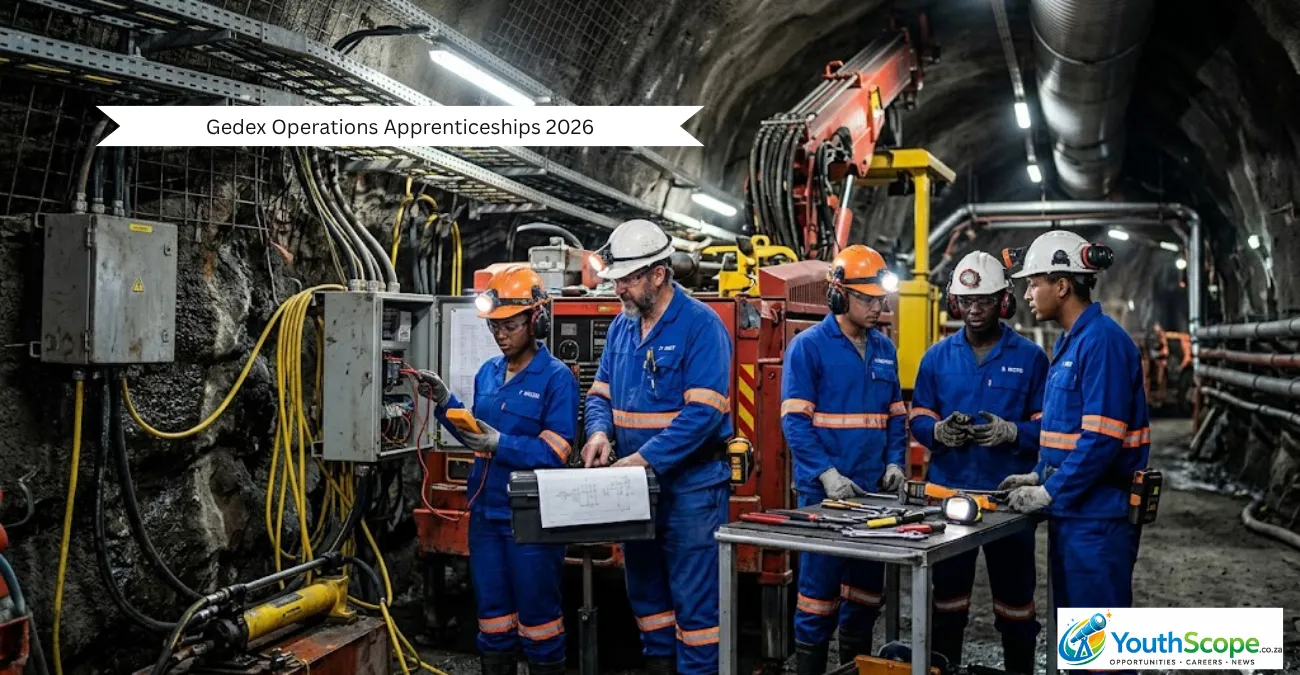
Gedex Operations Apprenticeships 2026: Mining Careers with Real Skills and Experience

Application Closing Date: 15 May 2026
Location: Brakpan, Gauteng, South Africa
Programme Duration: Apprenticeship duration varies (structured artisan training)
Monthly Stipend/Salary: Not specified
Organisation: Gold One New Shelf 1186 (Gedex) Operations
Qualification Requirements: N2 or NCV Level 4

Gold One New Shelf 1186 (Gedex) Operations has opened applications for its 2026 external apprenticeship programme, giving young South Africans a chance to enter the mining industry through structured artisan training.

This opportunity is especially important for unemployed youth who already hold technical qualifications such as N2 or NCV Level 4 and want to gain real workplace experience in mining operations.

Apprenticeships like this are among the strongest pathways into long-term technical careers in South Africa.

About the Gedex Operations Apprenticeship Programme

The Gedex Operations Apprenticeship Programme is a structured training opportunity within the mining sector designed to develop skilled artisans.

It combines:

  • Practical workplace training
  • Technical skill development
  • Real mining industry exposure
  • Mentorship from experienced artisans

Learners will work in a real mining environment while developing trade-specific skills that are recognised across industries such as mining, construction, manufacturing and engineering.

This is not a short-term job opportunity, but a career-building pathway into the artisan profession.

Why Is This Opportunity Important?

Mining remains one of South Africa’s key industries, especially in Gauteng communities like Brakpan, Benoni, Springs and Nigel.

However, many young people struggle to enter the sector due to lack of experience and technical training.

This apprenticeship helps address that gap by:

  • Providing structured artisan training
  • Creating employment pathways in mining
  • Developing scarce technical skills
  • Supporting youth from mining communities
  • Increasing long-term job opportunities

Skilled artisans such as electricians, fitters and boilermakers are in high demand across multiple industries.

Who Can Apply?

You may qualify if you:

  • Are a South African citizen
  • Are below 35 years old
  • Have completed N2 or NCV Level 4
  • Are medically fit for mining work
  • Have a clear criminal record
  • Are willing to work underground
  • Can work shifts and in a team environment

Preference may be given to applicants from:

  • Brakpan
  • Benoni
  • Springs
  • Nigel

However, other eligible candidates may still be considered.

What Qualifications Are Needed?

Applicants must have:

  • N2 qualification in a relevant technical field OR
  • NCV Level 4 qualification

These qualifications are important because they provide the theoretical foundation needed for artisan training.

Fields such as Electrical, Mechanical, Engineering and related technical studies are especially relevant.

Trades Available in the Apprenticeship Programme

The following artisan trades are offered:

  • Instrumentation
  • Fitter
  • Earthmoving Mechanic
  • Boilermaking
  • Electrical
  • Auto Electrical

These trades are highly valuable and lead to strong career opportunities in mining and other industries.

What Do These Trades Involve?

Instrumentation

This involves working with automated systems and industrial control equipment used in mining operations.

Skills include:

  • Sensors and control systems
  • Process automation
  • Technical diagnostics

Fitter

Fitters maintain and repair mining machinery and industrial equipment.

Work includes:

  • Machine assembly and repairs
  • Maintenance of plant equipment
  • Mechanical servicing

Earthmoving Mechanic

This trade focuses on heavy mining machinery such as trucks, loaders and excavators.

Responsibilities include:

  • Repairing heavy equipment
  • Mechanical fault diagnosis
  • Servicing mining vehicles

Boilermaking

Boilermakers work with metal structures used in mining environments.

Tasks include:

  • Welding and fabrication
  • Repairing pipes and tanks
  • Structural maintenance

Electrical

Electricians handle mining power systems and installations.

Work includes:

  • Electrical fault finding
  • Cable installation
  • Power system maintenance

Auto Electrical

This focuses on electrical systems in mining vehicles.

Tasks include:

  • Vehicle wiring systems
  • Battery systems
  • Electrical diagnostics

What Will You Do as an Apprentice?

During the programme, apprentices may:

  • Work in underground mining environments
  • Assist qualified artisans
  • Participate in hands-on training
  • Learn safety procedures
  • Repair and maintain equipment
  • Attend structured training sessions

This combination of learning and practice builds strong technical competence.

Skills You Will Gain

This apprenticeship helps build both technical and workplace skills.

Technical Skills

  • Trade-specific technical abilities
  • Equipment maintenance and repair
  • Fault diagnosis and problem-solving
  • Safety systems understanding

Workplace Skills

  • Discipline and responsibility
  • Teamwork
  • Communication
  • Shift work adaptability
  • Safety awareness

These skills are valuable in mining and other industrial sectors.

Working Underground: What You Should Know

Successful candidates must be willing to work underground.

This environment requires:

  • Physical fitness
  • Strong safety awareness
  • Mental resilience
  • Ability to work shifts
  • Team coordination

Mining work is structured and safety-focused, and all employees must follow strict procedures.

Required Documents

Applicants must prepare:

  • Certified copy of ID (not older than 3 months)
  • Certified copies of qualifications (N2 or NCV Level 4)
  • Updated CV
  • Proof of residence
  • Supporting certificates (if available)
  • All documents in PDF format

Make sure documents are clear, correct, and properly certified.

How to Apply

Applications must be submitted online via the Trendi Talent platform.

Application link: https://tinyurl.com/Trendi-External

Closing Date: 15 May 2026

Steps:

  1. Access the online application link
  2. Complete all required information
  3. Upload certified documents
  4. Submit before the closing date

Late applications will not be considered.

Practical Advice for Applicants

To improve your chances:

  • Use a professional CV format
  • Highlight technical subjects and qualifications
  • Ensure all documents are certified and up to date
  • Prepare for possible aptitude tests
  • Use a valid email and phone number
  • Apply early to avoid system delays

Mining companies value discipline, reliability and safety awareness.

Career Opportunities After the Apprenticeship

After completing this programme, you may qualify for roles such as:

  • Qualified artisan (Electrician, Fitter, Boilermaker)
  • Mining technician
  • Maintenance specialist
  • Industrial mechanic
  • Engineering assistant
  • Plant operator

These careers offer long-term stability and opportunities across mining, construction and manufacturing sectors.

Explore More Opportunities

If you are interested in similar pathways, also consider:

Applying to multiple opportunities increases your chances of success.

Final Thoughts

The Gedex Operations Apprenticeship Programme 2026 offers a powerful opportunity for young South Africans who want to build a technical career in mining.

With trades in electrical, mechanical and engineering fields, this programme provides real workplace experience and structured artisan development.

If you meet the requirements, prepare your documents early and apply before 15 May 2026. Opportunities like this can be the foundation of a strong and stable career.

R3 500 Monthly Stipend Learnership: Wholesale and Retail Operations Programme 2026

Application Closing Date: Not specified (apply as soon as possible)
Location: Nationwide, South Africa
Programme Duration: 12 months
Monthly Stipend: R3 500
Organisation: Managed People Solutions
Qualification Requirements: Matric (National Senior Certificate), unemployed youth, no prior work experience required

Unemployed young South Africans now have a valuable opportunity to enter the retail industry through the Managed People Solutions Wholesale and Retail Operations Learnership Programme 2026. This structured programme offers both workplace experience and a formal qualification, making it an ideal starting point for young people who want to build a career in retail.

With a monthly stipend of R3 500, this learnership also helps participants cover basic living costs while gaining skills and experience.

About the Managed People Solutions Learnership Programme

The Managed People Solutions Learnership Programme is designed to help unemployed youth gain practical retail experience while studying toward a recognised qualification.

It combines classroom-based learning with real workplace training in retail stores. This means learners do not only study theory but also gain hands-on experience in day-to-day retail operations.

The programme focuses on developing young people into confident, skilled workers who understand how the retail environment operates.

Why Is This Opportunity Important?

Retail is one of the largest employment sectors in South Africa, offering opportunities in stores, supermarkets, warehouses, and customer service environments. However, many young people struggle to enter this industry due to lack of experience.

This learnership helps solve that problem by:

  • Providing structured workplace experience
  • Offering a recognised qualification
  • Supporting unemployed youth financially
  • Building practical retail and customer service skills
  • Improving long-term employability

For many young people, this programme is the first step into stable employment.

Who Should Apply?

This learnership is ideal for:

  • Unemployed youth aged 18–28
  • Matriculants with no work experience
  • Young people interested in retail careers
  • Applicants willing to learn and grow
  • Individuals seeking their first job opportunity

No previous work experience is required, making it accessible to first-time job seekers.

What Qualification Will You Receive?

Successful learners will work toward the:

National Certificate: Wholesale and Retail Operations (NQF Level 2)

This qualification helps learners understand:

  • Customer service in retail
  • Store operations and management basics
  • Stock handling and merchandising
  • Communication in the workplace
  • Professional behaviour and teamwork

It provides a strong foundation for entry-level retail careers.

What Does the Learnership Offer?

Participants will benefit from:

  • A 12-month structured learnership programme
  • Monthly stipend of R3 500
  • Workplace experience in retail environments
  • National Certificate: NQF Level 2 qualification
  • On-the-job training and mentorship
  • Exposure to real retail operations

This combination of training and experience improves both skills and confidence.

Where Are Opportunities Available?

This learnership is available across South Africa, including:

  • Gauteng
  • Western Cape
  • KwaZulu-Natal
  • Limpopo
  • Mpumalanga
  • Free State
  • North West
  • Northern Cape

Although some listings may highlight Johannesburg, applications are open nationwide.

Minimum Requirements

To qualify, applicants must:

  • Be aged between 18 and 28 years
  • Have completed Matric (National Senior Certificate)
  • Be unemployed
  • Have no prior work experience
  • Be willing to learn and work in a retail environment

A valid driver’s licence is advantageous but not compulsory.

What Will You Do During the Learnership?

Participants may be involved in:

  • Assisting customers in retail stores
  • Handling stock and inventory
  • Supporting sales operations
  • Learning cashier and store procedures
  • Maintaining store cleanliness and organisation
  • Working as part of a retail team

These tasks help learners understand how retail businesses operate daily.

Skills You Will Gain

This programme builds both technical and workplace skills, including:

Retail Skills

  • Customer service
  • Stock management
  • Sales support
  • Product knowledge

Workplace Skills

  • Communication
  • Teamwork
  • Time management
  • Professional behaviour

These skills are valuable for many entry-level jobs beyond retail as well.

Why This Learnership Matters

This programme is important because it helps young people overcome one of the biggest challenges in the job market: lack of experience.

By completing the learnership, participants can:

  • Improve their CV
  • Gain real work experience
  • Build confidence in a workplace setting
  • Increase employability
  • Access future job opportunities

It is a practical pathway from unemployment to meaningful work experience.

Required Documents

Before applying, prepare the following:

  • Updated CV
  • Certified copy of ID
  • Certified copy of Matric certificate
  • Correct contact details (phone and email)
  • Proof of residence (if requested)
  • Driver’s licence (if available)

Make sure all documents are clear, valid, and properly certified.

How to Apply

Applications must be submitted online through the Managed People Solutions recruitment platform.

Steps to apply:

  1. Visit the official application portal
  2. Create or log into your profile
  3. Complete all required personal and academic details
  4. Upload supporting documents
  5. Review your application carefully
  6. Submit before closing or removal of vacancy

Always ensure your contact details are correct to avoid missing updates.

Practical Advice for Applicants

To improve your chances:

  • Use a clear and updated CV
  • Highlight school achievements and skills
  • Include volunteering or informal work experience
  • Double-check all personal details
  • Apply early to avoid missing deadlines
  • Ensure documents are readable and certified

A complete and accurate application is more likely to be considered.

Career Opportunities After the Learnership

After completing this programme, you may qualify for roles such as:

  • Retail sales assistant
  • Cashier
  • Stock controller
  • Customer service consultant
  • Store assistant
  • Merchandiser
  • Supervisor (with experience)

Retail experience can also lead to careers in logistics, sales management, and business operations.

Explore More Opportunities

If you are interested in similar opportunities, also explore:

Applying for multiple programmes increases your chances of success.

Final Thoughts

The Managed People Solutions Wholesale and Retail Operations Learnership 2026 is a strong opportunity for unemployed South African youth who want to gain experience in the retail sector.

With a 12-month training period, R3 500 monthly stipend, and a recognised NQF Level 2 qualification, this programme can help you build a solid foundation for your career.

If you meet the requirements, prepare your CV and apply as soon as possible through the online application system.

R2 500 Monthly Stipend Learnerships and Occupational Programmes at South West Gauteng TVET College 2026

Application Closing Date: 15 May 2026
Location: Florida Campus, Roodepoort, Gauteng, South Africa
Programme Duration: 12, 18 or 36 months
Monthly Stipend: R2 500
Organisation: South West Gauteng TVET College
Qualification Requirements: Matric, NC(V) Level 4, TVET qualification or relevant entry requirements depending on programme

South African youth now have an important opportunity to gain practical training and workplace experience through the 2026 learnerships, occupational programmes and apprenticeships offered by South West Gauteng TVET College.

This opportunity is especially valuable for unemployed youth, TVET graduates and matriculants who want to build real skills, earn a monthly stipend of R2 500, and improve their chances of long-term employment.

About the Opportunity

The South West Gauteng TVET College 2026 Learnerships and Occupational Programmes are designed to equip young people with practical skills that are directly linked to industry needs.

These programmes combine classroom learning with hands-on workplace training. This means participants do not only study theory but also gain real experience in their chosen field.

Training will take place at the Florida Campus and other accredited training centres, depending on the programme selected.

The opportunity is open to unemployed youth and prospective students who are ready to build a career through structured learning and workplace exposure.

Why Is This Opportunity Important?

South Africa continues to face high youth unemployment, and one of the biggest challenges is lack of experience. Many young people struggle to get jobs because they have qualifications but no practical training.

This programme helps solve that problem by offering:

  • Real workplace training experience
  • Skills that match industry demand
  • A monthly stipend to support learners
  • Exposure to different career fields
  • A structured path into employment or entrepreneurship

Fields such as engineering, IT, community development, business support and artisan trades continue to grow and need skilled workers. This programme helps bridge that skills gap.

Who Can Apply?

You may qualify if you are:

  • Unemployed youth in South Africa
  • Matriculants or NC(V) Level 4 graduates
  • TVET College graduates
  • Young people seeking practical training
  • Individuals interested in apprenticeships or learnerships
  • Applicants without prior work experience

This opportunity is ideal for young people who want to gain skills and improve their employability.

What Qualifications Are Needed?

Requirements depend on the programme you choose, but generally applicants should have:

  • Matric certificate or NC(V) Level 4
  • Relevant subject background for technical programmes
  • Basic literacy and numeracy skills
  • Interest in the chosen career field

Some programmes may require specific subjects such as Mathematics, Physical Science, or Business Studies, especially in technical and engineering-related fields.

What Will Participants Do?

Depending on the selected programme, participants may:

  • Attend structured training sessions
  • Complete practical workplace assignments
  • Work under supervision in real job environments
  • Assist in administrative or technical tasks
  • Participate in projects and fieldwork
  • Develop skills aligned to their career path

Programmes cover areas such as:

  • Community development
  • IT and digital technology
  • Early childhood development
  • Environmental services
  • Artisan trades like plumbing and electrical work
  • Business and office administration

Skills You Will Gain

These programmes are designed to build both technical and workplace skills.

Technical Skills

  • Trade-specific skills (e.g. welding, electrical work)
  • Computer and IT skills
  • Business and administration knowledge
  • Industry-specific tools and systems

Workplace Skills

  • Communication and teamwork
  • Problem-solving skills
  • Time management
  • Professional behaviour in the workplace

These skills improve your chances of finding employment after completing the programme.

Why This Opportunity Matters

This programme is more than training—it is a career-building pathway.

Many industries in South Africa are actively looking for skilled workers. By completing a learnership or apprenticeship, you position yourself for:

  • Entry-level jobs in your field
  • Permanent employment opportunities
  • Further studies or specialization
  • Self-employment and entrepreneurship

The R2 500 monthly stipend also helps learners support themselves while gaining experience.

Required Documents

Applicants must prepare the following:

  • Application letter with reference number
  • Updated CV (Curriculum Vitae)
  • Certified copy of ID
  • Matric certificate or NC(V) Level 4 certificate
  • Proof of residence
  • Bank confirmation letter
  • Affidavit confirming non-participation in other SETA-funded programmes
  • SARS registration letter (if required)

All documents must be certified and clearly readable.

How to Apply

Applications must be submitted in person.

Submit your application to:

South West Gauteng TVET College
Florida Campus
40/42 Goldman Street
Florida, Roodepoort

Important: Applications are only accepted through hand delivery. Late submissions will not be considered.

Practical Advice for Applicants

To improve your chances of success:

  • Apply early before the closing date
  • Ensure all documents are certified correctly
  • Write a clear and professional CV
  • Match your application to your strengths and interests
  • Avoid applying randomly without understanding the programme
  • Keep copies of everything you submit

Choosing the right programme is important. Select a career path that matches your interests and subjects.

Career Opportunities After the Programme

After completing these programmes, you may qualify for roles such as:

  • Electrician or plumber
  • Office administrator
  • Community development worker
  • IT technician or support assistant
  • Early childhood development practitioner
  • Security officer
  • Artisan or trade assistant
  • Entrepreneur or self-employed worker

These pathways can lead to both formal employment and self-employment opportunities.

Explore More Opportunities

If you are interested in similar programmes, also consider:

Applying to multiple opportunities increases your chances of success.

Final Thoughts

The 2026 Learnerships and Occupational Programmes at South West Gauteng TVET College provide a strong opportunity for unemployed youth to gain practical skills, workplace exposure and a monthly stipend of R2 500.

If you meet the requirements, make sure you prepare your documents early and submit your application before 15 May 2026.

Opportunities like this can be the first step toward building a stable and successful career.

Nyandeni Local Municipality Internship Programme 2026 Opens With R5 000 Monthly Stipend

Unemployed South African graduates looking for technical workplace experience can now apply for the Nyandeni Local Municipality Internship Programme 2026 in the Eastern Cape.

The municipality is offering a 24-month internship opportunity within the Corporate Services Department to help young people gain practical experience in infrastructure support, facilities management, and technical maintenance services.

What You Need

Before applying, make sure you have:

  • South African citizenship
  • Age between 18 and 35 years
  • Relevant qualification in:
    • Plumbing
    • Carpentry
    • Technical services
    • Related fields
  • Be unemployed at the time of application
  • Updated CV
  • Certified copy of South African ID
  • Copies of academic qualifications
  • Completed municipal application form
  • Driver’s licence if available

Internship Overview

Programme Details

  • Programme: Nyandeni Local Municipality Internship Programme 2026
  • Department: Corporate Services
  • Duration: 24 Months
  • Monthly Stipend: R5 000
  • Location: Libode and Ngqeleni, Eastern Cape
  • Closing Date: 11 May 2026 at 15:30

About the Internship Programme

Nyandeni Local Municipality aims to provide unemployed graduates with structured workplace exposure in municipal technical services and maintenance operations.

Interns will gain practical experience in:

  • Building maintenance
  • Infrastructure support
  • Facilities management
  • Fleet management
  • Technical maintenance services

This programme can help young people develop practical skills while gaining experience within local government operations.

Available Internship Opportunities

Facilities and Fleet Management

Field of Exposure

  • Building maintenance and repair

Qualification Required

  • Certificate in Basic Plumbing

Building Maintenance and Repair

Qualification Required

  • Certificate in Carpentry

Key Responsibilities

Successful interns will:

  • Assist with routine maintenance and repairs
  • Support municipal facilities management activities
  • Participate in infrastructure inspections
  • Work alongside experienced technical staff
  • Maintain workplace safety standards
  • Attend workplace training sessions
  • Keep records of completed maintenance activities

Skills and Qualities Needed

The municipality is looking for applicants who demonstrate:

Important Workplace Skills

  • Attention to detail
  • Technical problem-solving skills
  • Reliability and punctuality
  • Ability to work in teams
  • Willingness to learn
  • Good communication skills

Required Application Documents

Applicants must submit:

  • Completed Nyandeni Local Municipality Employment Application Form
  • Detailed CV
  • Copies of qualifications
  • Copy of South African ID
  • Driver’s licence if available

Important

Applications that are incomplete or submitted late may be disqualified.

How to Apply

Application forms are available from:

  • Nyandeni Local Municipality website
  • Municipal offices in Libode and Ngqeleni

Hand Delivery Applications

Submit applications to:

Registry Office

Nyandeni Local Municipality
Libode or Ngqeleni Offices

Postal Applications

The Municipal Manager
Nyandeni Local Municipality
Private Bag X504
Libode
5160

Important Instruction

Clearly mark the envelope:

“APPLICATION FOR INTERNSHIP”

Enquiries

Corporate Services Department

  • Contact Person: Ms P. Makhokha
  • Telephone: 047 555 5028

Important Notes for Applicants

Applicants should note the following:

  • Faxed applications will not be accepted
  • Late applications will not be considered
  • Only shortlisted candidates will be contacted
  • Applicants who do not receive feedback within 90 days should consider their application unsuccessful
  • Persons with disabilities are encouraged to apply

Expert Insight: Why Technical Internship Applications Often Fail

One of the biggest mistakes applicants make is submitting applications without clearly showing their technical qualifications or practical abilities.

Pro Tip

To improve your chances of being shortlisted:

  • Clearly list plumbing, carpentry, or maintenance skills on your CV
  • Include practical training, workshops, or projects completed during studies
  • Ensure your documents are neatly arranged and certified
  • Submit your application before the deadline to avoid last-minute issues
  • Use a professional and easy-to-read CV format

Municipal internship programmes are highly competitive, especially for technical and infrastructure-related fields.

You Can Also Explore Youthscope

If you are interested in similar opportunities, you can also check:

Why This Internship Matters

Technical internships within municipalities can provide valuable workplace experience for young South Africans who want careers in infrastructure maintenance, technical services, construction support, or facilities management.

The practical skills gained through municipal programmes can improve employability and create future opportunities in both the public and private sectors.

Frequently Asked Questions (FAQ)

How much is the monthly stipend?

Successful interns will receive R5 000 per month.

How long is the internship programme?

The programme runs for 24 months.

Who can apply?

South African unemployed graduates between 18 and 35 years old with relevant qualifications.

What qualifications are required?

Applicants need qualifications related to plumbing, carpentry, or technical maintenance.

What is the closing date?

Applications close on 11 May 2026 at 15:30.

Are persons with disabilities encouraged to apply?

Yes. Persons with disabilities are encouraged to apply.

BCE FoodService Equipment Graduate Internship Programme 2026 Open in Johannesburg

South African graduates looking to gain workplace experience can now apply for the BCE FoodService Equipment Graduate Internship Programme 2026 in Roodepoort, Johannesburg.

This internship programme is designed to help unemployed graduates build practical business skills in operations, logistics, sales, and administration within the hospitality and foodservice industry.

What You Need

Before applying, make sure you have:

  • A Bachelor’s Degree or Diploma in:
    • Communications
    • Supply Chain Management
    • Logistics
    • Business Administration
    • Or a related qualification
  • Basic computer skills, including MS Office
  • Good communication and teamwork abilities
  • Willingness to learn and work across departments
  • No previous work experience required

Internship Overview

Programme Details

  • Company: BCE FoodService Equipment
  • Programme Type: Graduate Internship
  • Location: Roodepoort, Johannesburg, Gauteng
  • Industry: Hospitality and Operations
  • Application Closing Date: Not specified

About the BCE Internship Programme

BCE FoodService Equipment is offering graduates an opportunity to gain hands-on workplace exposure across different business functions.

Interns will have the opportunity to work in areas such as:

  • Warehouse operations
  • Logistics
  • Sales support
  • Business administration
  • Inventory management

The programme may also include internal department rotations depending on business needs and individual performance.

Key Responsibilities

Successful interns will assist with:

Operations and Warehouse Support

  • Stock handling and inventory control
  • Order preparation and processing
  • Maintaining accurate operational records
  • Supporting daily warehouse activities

Sales and Administration

Interns may also:

  • Support customer communication
  • Assist the sales team
  • Perform administrative duties
  • Help coordinate business activities
  • Participate in team projects

Skills and Competencies Employers Want

BCE FoodService Equipment is looking for graduates who demonstrate:

Important Workplace Skills

  • Strong work ethic
  • Attention to detail
  • Adaptability and flexibility
  • Organisational skills
  • Teamwork and communication abilities
  • Customer service mindset

Expert Insight: What Many Graduates Get Wrong

One of the biggest mistakes graduates make when applying for internships is using a generic CV that does not match the role they are applying for.

Pro Tip

To improve your chances of being shortlisted:

  • Tailor your CV to highlight logistics, administration, communication, or operations-related skills
  • Include practical assignments, projects, or volunteer work from university or college
  • Keep your CV clear, professional, and easy to read
  • Use a professional email address and updated contact details
  • Apply as early as possible since positions may close once enough applications are received

Many South African employers value attitude, willingness to learn, and professionalism just as much as qualifications.

You Can Also Explore Youthscope

If you are interested in similar opportunities, you can also check:

Why This Internship Matters

Graduate internships help young South Africans gain practical workplace experience that employers often require for permanent jobs. Programmes like this can help graduates develop real-world business skills and improve their employability in competitive industries.

Experience in logistics, operations, and administration can also open future opportunities in supply chain management, warehouse coordination, sales support, and customer service.

How to Apply

Interested applicants can apply online through the official BCE FoodService Equipment application portal.

Apply here:
BCE FoodService Equipment Graduate Internship Application

SWGC WIL Opportunities 2026 Open for N6 Graduates With R3 500 Monthly Stipend

Many South African TVET graduates complete their N6 studies but struggle to secure the workplace experience needed to qualify for a National N Diploma. To help bridge this gap, South West Gauteng TVET College (SWGC), together with MICT SETA, W&R SETA, and FoodBev SETA, has opened applications for the 2026 Work Integrated Learning (WIL) Programme.

The programme offers qualifying N6 graduates an opportunity to gain the required workplace exposure while receiving a monthly stipend of R3 500 for 18 months.

What You Need

Before applying, make sure you have:

  • Completed an N6 qualification in a relevant field
  • Need 18 months workplace experience for a National N Diploma
  • Be currently unemployed
  • Certified copy of your ID
  • Updated CV
  • Proof of residence
  • SARS registration letter
  • Bank confirmation letter
  • N4 to N6 certificates
  • College completion letter confirming WIL requirement
  • Affidavit confirming you are not part of another SETA-funded programme

Quick Programme Overview

Programme Details

  • Programme: Work Integrated Learning (WIL) Opportunities 2026
  • Institution: South West Gauteng TVET College (SWGC)
  • Partners: MICT SETA, W&R SETA, FoodBev SETA
  • Monthly Stipend: R3 500
  • Programme Duration: 18 Months
  • Closing Date: 22 May 2026
  • Location: Florida Campus, Roodepoort

Why Work Integrated Learning Matters

Many students complete their academic studies but cannot receive their National N Diploma without practical workplace experience.

What Is WIL?

Work Integrated Learning (WIL) is structured workplace training linked to your qualification. For NATED programmes, students usually complete:

  • N4
  • N5
  • N6

After completing these levels, graduates still need workplace exposure before qualifying for the National N Diploma.

Without this experience:

  • Graduates cannot obtain the full diploma
  • Job opportunities become limited
  • Employers often prefer experienced candidates

This is why WIL opportunities are highly competitive across South Africa.

Fields Included in the Programme

The programme is available for qualifying N6 graduates in the following fields:

Management Assistant

Students may gain experience in:

  • Office administration
  • Scheduling
  • Record management
  • Communication support

Possible career paths include:

  • Administrative Assistant
  • Receptionist
  • Office Coordinator

Business Management

This field focuses on:

  • Business operations
  • Customer service
  • Project coordination
  • Administration systems

Graduates can work in both public and private sector organisations.

Human Resource Management

Participants may gain exposure to:

  • Recruitment support
  • Employee administration
  • Payroll processes
  • HR compliance

Human Resources remains one of South Africa’s most competitive career fields for TVET graduates.

Financial Management

Practical experience may include:

  • Bookkeeping
  • Financial administration
  • Budget support
  • Procurement processes

Marketing Management

Marketing students may assist with:

  • Marketing campaigns
  • Social media support
  • Brand communication
  • Customer engagement

Digital marketing experience is becoming increasingly valuable in the South African job market.

Monthly Stipend and Programme Duration

Successful candidates will receive:

R3 500 Monthly Stipend

The programme will run for:

18 Months

The stipend is designed to help learners cover:

  • Transport costs
  • Daily workplace expenses
  • Basic living needs

The 18-month period aligns with the workplace experience requirement needed for the National N Diploma.

Applicant Eligibility Requirements

To qualify, applicants must:

  • Have completed an N6 qualification in a relevant field
  • Require workplace experience for the National N Diploma
  • Be unemployed
  • Be available for the full 18-month programme
  • Provide a host employer accommodation letter where required

Required Application Documents

Applicants must submit:

  • Comprehensive CV
  • Certified ID Copy
  • Matric Certificate or NC(V) Level 4 Certificate
  • College completion letter
  • Proof of residence
  • Bank confirmation letter
  • SARS registration letter
  • Affidavit confirming no SETA-funded participation
  • N4 to N6 certificates

Important

All copies must be clearly certified. Incomplete applications may be disqualified.

Application Submission Details

Applications must be hand delivered to:

South West Gauteng TVET College – Florida Campus

40/42 Goldman Street
Florida, Roodepoort

Closing Date: 22 May 2026

Late applications may not be considered.

Important Notes for Applicants

Applicants should note the following:

  • The programme is expected to start on 1 June 2026
  • Incomplete applications will not be considered
  • Only shortlisted candidates will be contacted
  • If you do not receive feedback within 15 days after closing, consider your application unsuccessful

Expert Insight: The Biggest Mistake TVET Graduates Make

One of the most common reasons applications get rejected is missing or poorly certified documents. Many graduates also submit CVs that do not clearly explain their qualifications, computer skills, or practical abilities.

Pro Tip

To improve your chances:

  • Organise your documents neatly in the correct order
  • Use a professional and updated CV
  • Ensure certified copies are clear and recent
  • Double-check your contact details
  • Submit your application early to avoid last-minute problems

TVET WIL opportunities are highly competitive, and professional presentation can make a major difference.

Why This Opportunity Matters

For many young South Africans, workplace experience is the missing link between studying and employment. Programmes like this help graduates gain practical exposure, improve employability, and strengthen their chances of securing permanent work in the future.

Even though the stipend may be limited, the long-term value of practical experience can help open doors to future internships, learnerships, and full-time employment opportunities.

You Can Also Explore Youthscope

If you are interested in similar opportunities, you can also check:

Frequently Asked Questions (FAQ)

Who can apply for this programme?

Students who completed relevant N6 qualifications and still require workplace experience for their National N Diploma.

How much is the stipend?

Successful applicants will receive R3 500 per month.

How long is the programme?

The programme runs for 18 months.

Is this permanent employment?

No. This is a Work Integrated Learning placement for practical experience.

What is the closing date?

Applications close on 22 May 2026.

Can employed people apply?

The programme specifically targets unemployed graduates.

Where must applications be submitted?

Applications must be hand delivered to SWGC Florida Campus in Roodepoort.

Triton Express General Worker Cleaner Jobs 2026 Open in Gauteng

South Africans looking for permanent logistics and maintenance jobs can now apply for the General Worker Cleaner position at Triton Express in Gauteng.

This opportunity is ideal for candidates with Matric who want to gain experience in maintenance, housekeeping, logistics support, and general operations within a well-established transport company.

What You Need

  • Grade 12 (Matric)
  • Ability to communicate in English
  • Basic knowledge of vehicles and maintenance work
  • Ability to use hand tools and power tools
  • Reliable transport to and from work
  • Ability to work independently and under pressure
  • Willingness to work overtime when required
  • Forklift Driver License will be an advantage

Job Overview

Position Details

  • Job Title: General Worker Cleaner
  • Company: Triton Express
  • Reference Number: C100079
  • Location: Gauteng
  • Job Type: Permanent
  • Work Level: Junior
  • Salary: Market Related
  • Working Hours: Monday to Friday, 07:00 – 17:00

About Triton Express

Established in 1987, Triton Express has grown into one of Southern Africa’s recognised road freight and logistics companies. As part of the Plennegy Group, the company focuses on reliable transport and delivery services across the region.

The company is looking for dependable and hardworking individuals who can help maintain workplace cleanliness, support maintenance operations, and assist with daily yard activities.

Main Duties and Responsibilities

Yard and Maintenance Duties

Successful applicants will be responsible for:

  • Keeping the yard clean, organised, and well maintained
  • Assisting with building maintenance tasks
  • Maintaining roller doors, lighting, flooring, and painted surfaces
  • Supporting welding and repair activities
  • Using hand tools and power tools safely

Housekeeping and General Support

Additional duties include:

  • General housekeeping tasks
  • Gardening and outdoor maintenance
  • Supporting operational activities where required
  • Assisting with overtime duties when needed

Skills and Qualities Needed

Triton Express is looking for candidates who demonstrate:

Workplace Skills

  • Strong work ethic
  • Reliability and punctuality
  • Ability to work without supervision
  • Good communication skills
  • Attention to detail
  • Ability to work in physically demanding conditions

Personal Qualities

Applicants should also show:

  • Professional behaviour
  • Integrity and honesty
  • Willingness to learn
  • Teamwork and cooperation
  • Flexibility during busy operational periods

Expert Insight: Why Some General Worker Applications Get Rejected

Many applicants lose opportunities because their CVs do not clearly show practical skills such as maintenance work, tool handling, or previous cleaning responsibilities.

Pro Tip

To improve your application:

  • Mention any experience with tools, maintenance, gardening, or warehouse work
  • Clearly state if you have a Forklift Driver License
  • Keep your contact details updated and professional
  • Highlight reliability, punctuality, and ability to work overtime
  • Use a simple and easy-to-read CV format

In South Africa’s logistics industry, employers often value dependability and practical skills more than lengthy CVs.

Why This Opportunity Matters

General worker roles in the logistics and transport industry can provide valuable hands-on experience for young South Africans. These jobs help workers build practical workplace skills that may lead to future opportunities in warehousing, maintenance, transport operations, and technical support.

How to Apply

Interested applicants should apply for the Triton Express General Worker Cleaner position in Gauteng using reference number C100079.

Interested in this role?

Apply directly on Triton Express ‘s website it only takes a few minutes.

Picker and Packer Jobs 2026 Open in Nelspruit

Job seekers in Mpumalanga can now apply for the Picker and Packer position available in Nelspruit. This permanent opportunity is ideal for candidates with Grade 12 and warehouse experience who want to build a career in logistics, warehousing, and distribution.

The role focuses on accurate stock picking, packing, warehouse support, and maintaining safety standards in a fast-paced working environment.

What You Need

  • Grade 12 (Matric) or equivalent qualification
  • At least 1 year experience in a similar warehouse position
  • Ability to perform basic numerical calculations
  • Good attention to detail
  • Ability to work under pressure and meet deadlines
  • Understanding of warehouse operations and safety procedures
  • Strong teamwork and communication skills

Job Overview

Position Details

  • Job Title: Picker and Packer
  • Location: Nelspruit, Mpumalanga
  • Job Type: Permanent
  • Work Level: Junior
  • Salary: Market Related
  • Reference Number: 26/NEL/OPS02MAN
  • Posted Date: 04 May 2026

About the Opportunity

The successful candidate will be responsible for picking customer orders accurately, packing products according to company standards, and assisting with warehouse operations.

This role is well suited for candidates interested in logistics, stock control, dispatch, and warehouse management careers in South Africa.

Main Duties and Responsibilities

Picking Duties

Employees will be expected to:

  • Pick stock accurately according to picking slips
  • Verify product quantities and product quality
  • Complete picking slips correctly
  • Record weights, dimensions, signatures, and dates
  • Report any stock differences or damaged items

Packing Duties

Successful applicants will also:

  • Pack stock into the correct bin locations
  • Wrap products safely to prevent damage
  • Prepare products for dispatch and delivery
  • Load products onto vehicles according to company procedures
  • Ensure stock reaches the dispatch area correctly

Warehouse Assistance

Additional responsibilities include:

  • Loading and unloading deliveries
  • Assisting with receiving stock
  • Conducting stock counts
  • Maintaining a clean and organised warehouse
  • Sweeping floors and removing debris
  • Assisting drivers during deliveries when needed
  • Following safe driving practices if operating company vehicles

Health and Safety Requirements

The company requires all employees to follow workplace safety procedures and comply with the Occupational Health and Safety Act.

Workers must:

  • Wear Personal Protective Equipment (PPE) at all times
  • Report unsafe conditions immediately
  • Maintain good housekeeping standards
  • Follow all health and safety rules
  • Participate in workplace safety activities

Skills Employers Are Looking For

Important Workplace Skills

Candidates should demonstrate:

  • Accuracy and attention to detail
  • Good organisational skills
  • Ability to meet productivity targets
  • Teamwork and reliability
  • Customer service skills
  • Time management abilities

Expert Insight: Why Many Warehouse Applications Fail

One common mistake applicants make is failing to highlight warehouse-related experience clearly on their CVs. Employers want to quickly see whether you understand stock handling, packing, dispatch, or warehouse safety.

Pro Tip

To improve your chances:

  • Mention any experience with stock control, loading, packing, or deliveries
  • Include skills such as teamwork, time management, and accuracy
  • Keep your CV short and easy to read
  • Use professional references if possible
  • Apply early before the closing process becomes competitive

Warehouse employers in South Africa often shortlist candidates who show reliability, physical readiness, and strong attention to detail.

Why This Opportunity Matters

Warehouse and logistics jobs continue to play an important role in South Africa’s growing supply chain industry. Entry-level opportunities like this can help young people gain valuable experience that may lead to careers in logistics coordination, dispatch supervision, inventory control, and transport operations.

How to Apply

Interested candidates should apply using the reference number 26/NEL/OPS02MAN for the Picker and Packer opportunity in Nelspruit.

Interested in this role?

Apply directly on H Systems (Pty) Ltd.’s website it only takes a few minutes.

Rainbow Chicken General Worker Jobs 2026 Open in Carolina

Young South Africans looking for entry-level factory jobs can now apply for the General Worker opportunity at Rainbow Chicken in Carolina. This position is suitable for candidates with Grade 12 who want to gain experience in the manufacturing and production environment.

The company is looking for hardworking individuals who can support production operations and help maintain smooth daily plant activities.

What You Need

  • Grade 12 (Matric) or equivalent literacy and numeracy level
  • Between 0 to 6 months’ experience in a manufacturing environment
  • Ability to work in a fast-paced production environment
  • Good teamwork and communication skills
  • Willingness to follow workplace safety procedures
  • Basic recordkeeping and reporting ability

Job Overview

Position Details

  • Job Title: General Worker
  • Company: Rainbow Chicken
  • Location: Carolina, South Africa
  • Closing Date: 12 May 2026

About the Opportunity

Rainbow Chicken is recruiting general workers to assist with production requirements and ensure the efficient operation of the business. This role offers valuable workplace experience for young people interested in manufacturing, food production, and industrial operations.

The successful candidate will support daily production activities, maintain housekeeping standards, and assist supervisors with operational tasks.

Main Duties and Responsibilities

Production Support

Applicants will be responsible for:

  • Ensuring production resources are available when needed
  • Reporting mechanical or electrical issues to supervisors
  • Recording production data such as tipping logs
  • Assisting with production bottlenecks and blocked equipment
  • Conducting visual checks on raw materials
  • Following workplace procedures and safety instructions
  • Performing daily stock-taking duties
  • Completing tasks assigned by supervisors

General Administration

The role also includes:

  • Maintaining good housekeeping standards
  • Assisting with filing and production records
  • Capturing accurate production information
  • Supporting reporting and operational analysis

Skills and Qualities Needed

Rainbow Chicken is looking for candidates who can demonstrate:

Workplace Skills

  • Attention to detail
  • Reliability and accountability
  • Good communication skills
  • Ability to work under pressure
  • Time management and self-discipline
  • Teamwork and willingness to assist others

Personal Development

Successful employees are encouraged to:

  • Participate in workplace training opportunities
  • Improve productivity and work quality
  • Take ownership of tasks and responsibilities
  • Support business goals and team targets

Expert Insight: Mistake Many Applicants Make

A common mistake many entry-level applicants make is submitting a CV that does not clearly explain their skills, responsibilities, or willingness to work shifts and production hours.

Pro Tip

Even if you have little or no work experience:

  • Include school leadership, volunteer work, or community activities on your CV
  • Mention if you can work flexible hours or overtime
  • Use a professional phone number and email address
  • Keep your CV clean, simple, and error-free

Manufacturing employers in South Africa often look for candidates who show a strong work ethic, punctuality, and willingness to learn.

Why This Job Matters

General worker positions can help young South Africans build important workplace experience and develop skills needed for future opportunities in manufacturing, logistics, warehousing, and production supervision.

For many job seekers, entry-level factory jobs are an important first step toward long-term career growth.

How to Apply

Interested applicants should submit their applications before the 12 May 2026 closing date.

Rainbow Chicken General Worker

Internships, Learnerships, Youth Opportunities, News & Careers