
JoGEDA ICT Internship Programme 2026 Opens for IT Graduates in Eastern Cape

Joe Gqabi Economic Development Agency (JoGEDA) ICT Internship Programme 2026

If you’re an IT graduate looking to gain real workplace experience while contributing to rural development, the JoGEDA ICT Internship Programme 2026 could be your breakthrough opportunity.

This one-year fixed-term internship is based in Aliwal North, Eastern Cape, and is designed to give unemployed graduates practical exposure to ICT systems within the public sector.

Internship Overview

  • Position: ICT Intern
  • Location: Aliwal North, Eastern Cape
  • Contract Duration: 12 Months
  • Closing Date: 20 February 2026
  • Experience Required: None

This is an entry-level opportunity, ideal for recent graduates eager to start building their IT careers.

About JoGEDA

The Joe Gqabi Economic Development Agency plays a critical role in driving economic growth and development in the Eastern Cape. The agency focuses on strengthening rural economies, supporting transformation, and improving service delivery.

By joining this internship, you won’t just gain experience — you’ll contribute to real development initiatives in underserved communities.

What You’ll Do as an ICT Intern

As an ICT Intern, you will support the organisation’s internal technology systems and assist staff with technical issues.

Key Responsibilities

  • Assist and support end-users
  • Respond to ICT queries from departments
  • Troubleshoot and resolve technical IT problems
  • Support network and telephone management
  • Assist with ICT compliance and risk controls
  • Help improve system performance and accessibility
  • Participate in ICT forums and internal communication processes

This role offers hands-on exposure to IT support, infrastructure, governance, and systems management within a public sector environment.

Minimum Requirements

To qualify, you must have:

  • Grade 12 (Matric)
  • National Diploma or Degree in Information Technology (or equivalent qualification)
  • Be an unemployed South African graduate

Good News:

No prior work experience require

Required Competencies

Successful candidates should demonstrate:

  • Strong attention to detail
  • Ability to work under pressure
  • Confidentiality and professionalism
  • Good communication skills
  • Willingness to learn quickly
  • Strong sense of urgency

QUICK LINKS:

Selection Process

Shortlisted candidates will undergo:

  • Qualification verification
  • Reference checks
  • Criminal record and driver’s licence checks
  • Assessment processes

Important notes:

  • Certified documents must not be older than 3 months
  • No faxed applications will be accepted
  • If you are not contacted within four weeks after the closing date, consider your application unsuccessful
  • Canvassing or lobbying will result in immediate disqualification

How to Apply

Submit the following documents:

  • Letter of motivation (clearly stating the position and why you want to join JoGEDA)
  • Updated CV
  • Certified copies of qualifications
  • Certified copy of ID

 Email your application to: vacancies@jogeda.co.za
 Closing Date: 20 February 2026

Apply early to avoid last-minute technical issues.

Why This Internship Is Valuable

Public sector ICT internships offer experience in:

  • Network support
  • IT governance and compliance
  • Risk management systems
  • Public administration IT structures

If you’re serious about building a career in IT while making a difference in rural communities, this opportunity provides both professional growth and meaningful impact.

Final Reminder

The JoGEDA ICT Internship Programme 2026 is ideal for IT graduates who want structured exposure, practical experience, and a stepping stone into the technology sector.

Don’t wait until the last minute — submit your application before 20 February 2026 and take the next step in your IT career.

Recent Posts

Rand Water Horticulture Learnerships 2026 (NQF Level 2) Apply Now

Rand Water is inviting unemployed South African youth to apply for the Horticulture Learnership Programme (NQF Level 2) for 2026. This opportunity is ideal for young people who are passionate about plants, gardening, and environmental sustainability.

If you enjoy working outdoors and want to gain accredited skills in horticulture, this learnership could be your stepping stone into the agriculture and environmental sector.

Important Details

  • Closing Date: 27 February 2026
  • Location: Rietvlei, Glenvista, Gauteng
  • Qualification: NQF Level 2 – Horticulture
  • Target Group: Unemployed South African youth

About Rand Water

Rand Water is one of the largest bulk water utilities in the world, supplying potable water to over 12 million people across South Africa’s economic heartland.

Since 1903, Rand Water has played a vital role in ensuring reliable water supply, particularly to inland cities like Johannesburg that are not located near sustainable rivers. The organisation supports skills development through initiatives aligned with the National Skills Development Strategy (NSDS III).

About the Horticulture Learnership Programme

This programme combines:

  • Practical workplace training
  • Theoretical classroom learning
  • Skills development in plant production and site maintenance

Learners will gain hands-on experience in maintaining horticultural sites, monitoring plant health, soil preparation, irrigation systems, and plant propagation.

Minimum Requirements

Applicants must:

  • Be unemployed
  • Not be studying or registered for another learnership
  • Not have completed any post-matric qualification
  • Be between 18 and 35 years old
  • Be a South African citizen with a valid SA ID
  • Have Matric (Grade 12) with:
    • Mathematics or Mathematical Literacy
    • Life Science
    • Minimum Level 3 in required subjects

Important

Applicants must submit a SAQA / NLRD verification report (available via the SAQA Verifications Service).

Failure to disclose post-matric qualifications will result in disqualification.

Required Documents

Submit certified copies of:

  • South African ID
  • Proof of residence
  • Matric certificate
  • SAQA / NLRD verification report
  • Updated CV

Ensure all copies are clear and properly certified.

QUICK LINKS:

Primary Duties

Successful learners will:

  • Maintain horticultural and landscaping sites
  • Monitor plant growth and soil conditions
  • Assist with planting and irrigation systems
  • Maintain tools and equipment
  • Participate in fertilising and plant care activities
  • Attend theoretical classes
  • Complete assignments and logbooks
  • Write assessments

Required Skills and Attributes

Knowledge:

  • Understanding of Rand Water’s role in the water sector

Skills:

  • Good communication skills (verbal and written)

Personal Attributes:

  • Self-motivated
  • Results-driven
  • Passion for plant and environmental work

Why Apply?

This learnership offers:

  • An accredited NQF Level 2 qualification
  • Practical horticulture training
  • Exposure to environmental and water-sector operations
  • An entry-level pathway into agriculture, landscaping, and environmental careers

For youth interested in sustainability and outdoor work, this is a valuable opportunity to gain recognised skills.

How to Apply

Apply online before 27 February 2026 via the official Rand Water careers portal.

Late or incomplete applications will not be considered.

Final Reminder

This opportunity is strictly for unemployed youth who do not hold post-matric qualifications. Make sure all required documents are submitted correctly to avoid disqualification.

Take this step toward building a career in horticulture with one of South Africa’s leading water utilities.

Recent Posts

SAAFoST Aubrey Parsons Study Grant 2026: Grant Value R20 000 (once-off payment)

South African Association for Food Science and Technology Aubrey Parsons Study Grant 2026

The SAAFoST Aubrey Parsons Study Grant 2026 is now open for academically strong postgraduate students in Food Science and Food Technology. This prestigious grant offers financial support to deserving students studying at approved South African universities and universities of technology.

If you are passionate about food innovation, safety, and research, this opportunity could help fund your postgraduate qualification in 2026.

Important Details

  • Closing Date: 27 February 2026
  • Grant Value: R20 000 (once-off payment)
  • Location: Approved South African institutions
  • Level of Study: BSc (Hons) Food Science or BTech Food Technology

The grant is paid directly to the institution toward tuition fees.

About SAAFoST

South African Association for Food Science and Technology (SAAFoST) is a professional, non-profit association serving South Africa’s food and allied industries. With over 2 000 members across Southern Africa, SAAFoST promotes:

  • Scientific research
  • Professional development
  • Educational advancement
  • Industry networking

The SAAFoST Foundation manages bursaries and study grants, including the Aubrey Parsons Study Grant.

QUICK LINKS:

Approved Institutions

Universities (Food Science Departments)

  • Stellenbosch University
  • University of Pretoria
  • University of Venda
  • University of the Free State

Universities of Technology (Food Technology Departments)

  • Cape Peninsula University of Technology
  • Durban University of Technology
  • Tshwane University of Technology
  • University of Johannesburg

Only students studying full-time within these departments may be considered.

Who Can Apply?

To qualify for the 2026 study grant, applicants must:

  • Be a SAAFoST member for at least 12 months prior to applying
  • Be studying full-time at an approved institution
  • Be pursuing:
    • BSc (Hons) in Food Science, or
    • BTech in Food Technology
  • Maintain a minimum overall average of 70%
  • Have a strong academic record

Failure to meet any of the above requirements will result in disqualification.

How the Application Process Works

Students cannot apply directly.

Instead:

  • Department Heads must nominate eligible students
  • Each institution may nominate only one candidate
  • Awards cannot be shared or transferred

If you meet the criteria, contact your Department Head as soon as possible and request nomination.

Required Supporting Documents

The following documents must be submitted by the institution:

  • Proof of SAAFoST membership
  • Proof of full-time registration
  • Complete academic record for all previous years
  • Official nomination form (PDF or DOCX)

Where to Submit Applications

Applications must be emailed to:

SAAFoST Membership Development Officer
 irene@saafost.org.za
Subject Line: SAAFoST Aubrey Parsons Study Grant Application

Closing Date: 27 February 2026
Late applications will not be accepted.

Why This Grant Matters

Food Science and Food Technology are critical to:

  • Improving food safety standards
  • Advancing nutritional research
  • Driving innovation in food production
  • Strengthening South Africa’s food industry

If you are committed to building a career in food science and meet the academic requirements, the SAAFoST Aubrey Parsons Study Grant 2026 offers meaningful financial support toward your postgraduate journey.

Recent Posts

BBD Graduate Internships 2026 (SA26) Now Open: Paid IT Jobs for South African Graduates (Apply Now)

Application Closing Date: Not specified (Apply online as soon as possible)
Location: South Africa (Hybrid Working Model)

BBD invites unemployed South African graduates to apply for its Graduate Programme (SA26).

If you are passionate about technology, coding, and building real-world software solutions, this is your opportunity to kick-start your IT career with one of South Africa’s leading software development companies.

About BBD

BBD is an international software solutions company with over 1,000 IT professionals. The company develops powerful software systems for industries including:

  • Financial services
  • Public sector entities
  • Telecommunications
  • Sports betting
  • Enterprise businesses

Innovation is central to BBD’s culture — and graduates become full-time, paid employees from Day 1.

About the BBD Graduate Programme (SA26)

The SA26 Graduate Programme is designed to bridge the gap between university and the professional IT industry.

From your first day:

  • You work as a full-time, paid BBD employee
  • You join real client project teams
  • You receive structured technical development through “Level Ups”
  • You gain mentorship from senior developers

Many graduates report learning more in their first few weeks at BBD than during their entire university studies.

Why Join BBD?

The programme offers:

  • Market-related salary
  • Performance-based bonuses
  • Hybrid working model
  • Collaborative teams
  • Continuous learning and upskilling
  • Exposure to modern technologies
  • Dynamic company culture

You’ll gain experience across multiple industries and technology stacks, helping you build a strong and versatile IT career.

Minimum Requirements

To qualify for the SA26 Graduate Programme, you must:

  • Be a newly qualified graduate
  • Hold a Diploma, Bachelor’s, Honours, Master’s, or Doctorate degree in:
    • BSc
    • BEng
    • BCom
    • BIT

With majors in:

  • Computer Science
  • Software Engineering
  • Information Technology
  • Informatics

Alternatively, applicants with a strong technical portfolio (such as GitHub projects) may also be considered.

QUICK LINKS:

Additional Requirements:

  • Strong academic performance
  • Passion for technology beyond formal studies
  • Practical coding experience
  • Strong problem-solving and debugging skills

Documents Required

Ensure you include:

  • Updated CV
  • Copy of South African ID
  • Latest academic transcripts or Matric certificate
  • Link to GitHub or personal coding projects (if available)

Application Process

The recruitment process includes:

  1. Upload your CV on the BBD careers portal
  2. Complete a software engineering technical challenge (valid for 14 days)
  3. Technical review of your submission
  4. Virtual interview
  5. Offer of employment (if successful)

Who Should Apply?

This opportunity is ideal for:

  • Final-year IT students graduating soon
  • Recent Computer Science graduates
  • Self-taught developers with strong coding portfolios
  • Problem-solvers eager to build real-world systems

If you’ve already built projects, experimented with code, or contributed to open-source — this programme is for you.

Why This Opportunity Is Perfect for 2026 Graduates

South Africa’s tech sector continues to grow rapidly. Structured graduate programmes like this provide the best entry into the competitive IT industry.

Instead of job hunting with limited experience, you:

  • Gain practical industry exposure
  • Work on real client systems
  • Earn while learning
  • Build a professional portfolio

If you are serious about becoming a software developer, systems engineer, or IT professional, this could be your breakthrough opportunity in 2026.

Recent Posts

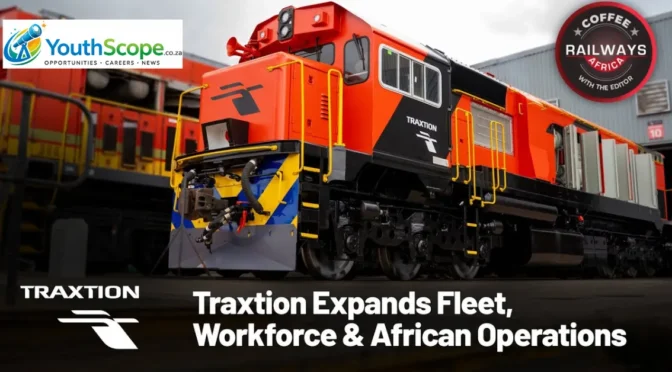
Traxtion Engineering Apprenticeship 2026 Now Open: Apply Now for Diesel Electrical Fitter Training in Pretoria

Application Closing Date: 20 February 2026
Location: Rosslyn, Pretoria, Gauteng, South Africa

Traxtion invites unemployed South African youth to apply for the Traxtion Engineering Apprenticeship Programme 2026.

If you are passionate about engineering and the rail industry, this three-year artisan apprenticeship could be your gateway into a skilled technical career.

About the Traxtion Apprenticeship Programme 2026

Traxtion is recruiting Diesel Electrical Fitter Apprentices to train at its Rail Services Hub Training Centre in Rosslyn, Pretoria.

This apprenticeship:

  • Runs for three years
  • Includes structured technical and workplace training
  • Leads to assessment through the Quality Council for Trades and Occupations (QCTO)
  • Qualifies you as a Diesel Electrical Fitter (Artisan) upon successful completion

This is an excellent opportunity for young South Africans seeking a long-term career in engineering within the rail and transport sector.

Available Apprenticeship Fields

The programme focuses on training in:

  • Diesel
  • Electrical
  • Fitter

Selected candidates will receive both theoretical instruction and practical workplace exposure in diesel electrical fitting.

Minimum Requirements

Applicants must meet the following criteria:

  • Matric with Mathematics, Physical Science, and English
  • N2 qualification in related trade subjects
  • Preferably aged 18–25 years
  • Good written and verbal communication skills in English

Advantageous Qualifications

  • Tertiary qualification in:
    • Mechanical Engineering
    • Technical Engineering
    • Diesel Fitting
    • Electrical Fitting
  • Previous experience in rail or transport industries
  • Basic knowledge of MS Office (Excel and Word)
  • Understanding of mechanical parts and systems

Applicants must also provide a solid work history and contactable references.

QUICK LINKS:

Required Skills and Attributes

Successful candidates should demonstrate:

  • Strong planning and multitasking ability
  • Deadline-driven mindset
  • Reliability and punctuality
  • Ability to work under pressure
  • High attention to detail

If you enjoy hands-on technical work and solving mechanical challenges, this apprenticeship may be ideal for you.

Why Choose a Diesel Electrical Fitter Apprenticeship?

The rail industry plays a vital role in South Africa’s transport and logistics sector. Becoming a qualified artisan offers:

  • In-demand technical skills
  • Industry-recognised certification
  • Stable long-term career prospects
  • Practical workplace experience

Completing this apprenticeship gives you a strong foundation to grow into a professional artisan in rail engineering.

How to Apply

Submit your application before 20 February 2026.

Email: Carrers@traxtionafrica.onmicrosoft.com
Subject Line: Apprentice – Diesel Electrical Fitter (Rosslyn)

Required Documents:

  • Updated CV
  • Certified copy of ID
  • Certified copy of Matric certificate
  • Certified copies of N2 qualifications
  • Any additional supporting qualifications

Late or incomplete applications may not be considered.

Final Reminder

If you meet the requirements and are serious about building a career in engineering, do not miss this opportunity. Apprenticeships provide real technical training and a direct pathway to artisan qualification.

Apply before 20 February 2026 and take the first step toward becoming a certified Diesel Electrical Fitter.

Recent Posts

Arts & Culture Trust (ACT) Nyoloha Scholarship Programme 2026 Eligibility Age: 17–25 years Now Open

Arts & Culture Trust (ACT) Nyoloha Scholarship Programme 2026

For talented young South Africans passionate about music, acting, dance, design, photography, and digital creativity, the ACT Nyoloha Scholarship Programme 2026 offers an opportunity to turn artistic passion into a professional career.

“Nyoloha” means “rise” in Sesotho — and this scholarship lives up to its name by nurturing emerging creatives through mentorship, training, and financial support for tertiary studies starting in 2027.

Quick Overview

  • Programme: ACT Nyoloha Scholarship 2026
  • Focus Areas: Performing Arts, Visual Arts, Digital Arts
  • Scholarship Value: Up to R300,000 per recipient
  • Number of Awards: Two full scholarships annually
  • Study Start: 2027 academic year
  • Eligibility Age: 17–25 years
  • Target Group: Grade 12 learners or applicants with university exemption
  • Support Includes: Mentorship, workshops, industry exposure, live showcases
  • Programme Duration: ~6 months (selection and development phases)
  • Sponsors: Nedbank, Sun International, MTN South Africa

Programme Highlights

The Nyoloha Scholarship goes beyond financial support:

  • Nationwide talent identification through auditions and portfolio submissions
  • Three months of mentorship and workshops with industry leaders
  • Practical training to refine technical and creative skills
  • Final visual arts exhibition and performing arts showcase
  • Access to an alumni network for ongoing industry opportunities

This approach ensures participants gain both academic access and professional readiness.

General Eligibility Requirements

Applicants must:

  • Be aged 17–25
  • Be in Grade 12 or have a university exemption
  • Require financial assistance for tertiary studies in arts
  • Plan to study in 2027 at a South African accredited institution
  • Not be registered at a tertiary institution in 2026
  • Not hold a prior arts qualification or professional status
  • Not be a 2025 Nyoloha participant or finalist
  • Commit to the full programme duration

QUICK LINKS:

Supported Fields of Study

Performing Arts

  • Acting
  • Dance
  • Music
  • Theatre production
  • Stage performance

Visual Arts

  • Fine arts
  • Illustration
  • Sculpture
  • Photography
  • Mixed media

Digital Arts

  • Animation
  • Graphic design
  • Multimedia design
  • Digital storytelling
  • Creative technology

Selection Process

  1. Application submission
  2. Auditions or portfolio review
  3. Shortlisting
  4. Mentorship and development workshops
  5. Final showcase or exhibition
  6. Scholarship awards announcement

Participants benefit from training even if they are not ultimately awarded the scholarship.

How to Apply

Apply via the official ACT Nyoloha Scholarship portal.

Closing Date: 31 March 2026

Recommended preparation:

  • Build a strong portfolio
  • Document work with photos, videos, sketches, or performances
  • Practice for auditions
  • Research tertiary institutions offering arts programmes
  • Highlight community involvement in arts
  • Demonstrate commitment, creativity, and authenticity

Career Growth Path

Recipients of the Nyoloha Scholarship can pursue careers as:

  • Professional performers or visual artists
  • Creative directors or designers
  • Film, TV, and theatre professionals
  • Digital content creators
  • Arts entrepreneurs
  • Arts educators or facilitators

Graduates also gain opportunities for international collaborations and portfolio development.

FAQs

Who should apply?
Young creatives aged 17–25 planning to study performing, visual, or digital arts who need financial support.

Can university students apply?
Only if not registered for the 2026 academic year.

Is professional experience required?
No. The programme is designed for emerging talent, not established professionals.

What does the scholarship cover?
Funding up to R300,000 for tertiary studies plus mentorship, workshops, and showcase opportunities.

Is participation required even if you don’t win?
Yes. Mentorship and showcase phases are part of the programme experience.

When will studies begin?
Scholarship recipients start their tertiary studies in 2027.

Apply before 31 March 2026 to secure a chance at a fully funded scholarship with the ACT Nyoloha Programme and launch your creative career.

Recent Posts

Mwelase Group of Companies Bursary Opportunities 2026: 16 Posts Now Open

South African students planning to study in engineering, mining, finance, IT, and business-related fields now have a major funding opportunity for 2026. The Mwelase Group of Companies has officially opened applications for its 2026 bursary programme, aimed at supporting motivated learners and university students pursuing priority qualifications linked to the mining and industrial sectors.

Quick Overview

  • Programme: Mwelase Group of Companies Bursary 2026
  • Number of bursaries: 16
  • Closing date: 20 February 2026
  • Eligible applicants: First-year and undergraduate students
  • Fields of study: Engineering, Mining, Finance, IT, HR, Business, Safety & Environmental Management
  • Coverage: Tuition, accommodation, meals, textbooks, academic excursions (where applicable)
  • Preference: Residents of Emalahleni and Steve Tshwete Municipalities and historically disadvantaged individuals
  • Application email: hr@mwelasemining.co.za

Supported Fields of Study

Priority will be given to students pursuing qualifications in:

  • Mining Engineering, Mining Survey, Geology, Metallurgy
  • Safety or Environmental Management
  • Financial Management or Accounting Sciences
  • Business Administration
  • Information Technology or Information Systems and Design
  • Human Resources Management
  • Engineering (Electrical or Mechanical)
  • Operations Management

These fields reflect sectors with high demand in South Africa, particularly mining, infrastructure, and corporate operations.

Eligibility Requirements

New Students (First Year)

  • Minimum 70% in Mathematics and Physical Science for engineering fields
  • Minimum 60% in Mathematics and Physical Science for technical fields
  • Minimum 60% in Mathematics and Accounting for commerce-related fields

QUICK LINKS:

Tertiary Students (Undergraduate)

  • Minimum 65% aggregate in current studies
  • Submit a motivational letter requesting bursary funding
  • Must not be recipients of another bursary scheme (e.g., NSFAS)

Priority Applicants

  • Residents of Emalahleni and Steve Tshwete Municipalities
  • Historically disadvantaged individuals

What the Bursary Covers

The Mwelase bursary provides comprehensive support, including:

  • Tuition fees
  • Meals and accommodation
  • Prescribed textbooks
  • Compulsory academic excursions or seminars (where applicable)

The bursary is renewable annually based on satisfactory academic performance.

Selection Process

  • Shortlisted applicants will attend an interview
  • Successful candidates must sign a bursary agreement with the company
  • Communication is limited to selected candidates; if no feedback is received within 21 days of the closing date, consider the application unsuccessful

How to Apply

Applicants must submit applications via email:

Email: hr@mwelasemining.co.za
Closing date: 20 February 2026

Supporting documents typically include:

  • Certified copy of ID
  • Latest academic results
  • Proof of residence (if applicable)
  • Motivational letter
  • CV

Tips for a Strong Application

  • Apply early — avoid last-minute submissions
  • Ensure academic results meet requirements
  • Write a clear motivational letter covering:
    • Choice of field
    • Career goals
    • Financial need
    • Leadership, volunteering, or achievements
    • Connection to mining communities (if applicable)
  • Ensure all documents are certified and readable

Career Growth Path

Graduates from these fields often progress into:

  • Graduate trainee programmes
  • Engineering internships
  • Mining operations roles
  • Corporate finance and HR positions
  • IT and systems analyst roles
  • Safety and environmental officer positions

Long-term careers may include:

  • Professional engineers
  • Mining project managers
  • Chartered accountants
  • HR executives
  • Operations directors

These careers directly contribute to national development and provide high-impact opportunities.

FAQs

Who can apply?
South African students planning to study priority fields and undergraduate students meeting requirements.

Can NSFAS-funded students apply?
No, applicants must not already have other bursary funding.

Is the bursary renewable?
Yes, with satisfactory academic performance.

Does it cover accommodation?
Yes, it includes meals and housing.

Is a motivational letter required?
Yes, particularly for tertiary students.

When will applicants receive feedback?
Only shortlisted candidates will be contacted. No response within 21 days after the closing date means the application was unsuccessful.

Apply before 20 February 2026 to secure your chance at a fully funded bursary with the Mwelase Group of Companies.

Recent Posts

5 SETA Courses That Can Get You a Job in Less Than a Year in South Africa (2026)

Looking to gain skills fast and secure employment in 2026? SETA courses are one of the best ways to learn practical skills and improve your chances of getting a job — often in less than a year.

Below are five SETA‑aligned courses that are in demand and can help you find work quickly.

1. Basic Construction Skills (CETA)

The Construction Education and Training Authority offers short courses in:

  • Bricklaying basics
  • Plumbing support
  • Carpentry fundamentals
  • Site safety and compliance

Why it leads to jobs fast:
Construction projects are ongoing in many towns and rural areas. Even entry‑level skills can help you get hired as an assistant or apprentice.

Duration: ~3–9 months

2. Agricultural Skills Training (AgriSETA)

The AgriSETA provides courses for:

  • Crop production
  • Livestock handling
  • Farm machinery operation
  • Irrigation systems

Job prospects:
Farm workers, agricultural assistants, livestock support roles, and smallholder farm operators.

Duration: ~3–6 months

3. Retail and Customer Service (W&RSETA)

Under the Wholesale and Retail Sector Education and Training Authority, you can take courses in:

  • Sales and customer relations
  • Stock control and merchandising
  • Cash handling basics

Where you can work:
Shops, supermarkets, small businesses, warehouse support, and sales teams.

Duration: ~2–6 months

4. Basic Transport & Logistics Support (TETA)

The Transport Education and Training Authority offers short training in:

  • Warehouse operations
  • Logistics and supply chain basics
  • Freight handling
  • Transport coordination

Job opportunities:
Warehouse assistant, logistics support, freight handler, transport admin assistant.

Duration: ~3–8 months

5. Health Support and Community Care (HWSETA)

From the Health and Welfare Sector Education and Training Authority, you can study:

  • Home‑based care
  • Community health support
  • Patient support fundamentals

Employment options:
Clinics, NGOs, home care agencies, community health teams.

Duration: ~3–6 months

QUICK LINKS:

Why These Courses Can Lead to Work Quickly

📌 Practical Skills Employers Need

These SETA courses focus on hands‑on, job‑ready skills — not long theory modules — so you can step into the workplace faster.

📌 High Demand in Multiple Industries

Construction, retail, agriculture, transport, and health are sectors that consistently need workers, even entry‑level workers.

📌 Short Learning Times

Unlike degrees or lengthy diplomas, many of these SETA programmes can be completed within months, not years.

Who Can Apply?

Most of these courses are open to:

  • South African citizens
  • Youth aged 16–35 (many target young applicants)
  • People with Grade 9 to Grade 12
  • Unemployed individuals seeking skills and job opportunities

Check specific course requirements before you apply — some may need basic literacy or minimum school grades.

How to Apply for 2026

Step‑by‑Step:

  1. Find accredited providers — through SETA websites, TVET colleges, or training centres.
  2. Check entry requirements — some courses want a minimum grade or readiness test.
  3. Prepare your documents — ID, school reports, CV.
  4. Apply early — spots fill up fast.

Applications for 2026 courses normally open several months before the intake date — so stay updated!

Final Thoughts

If your goal is to gain practical skills and find a job within a year, these SETA‑linked courses are great options in 2026. They’re short, focused, and aligned with current industry needs.

With hard work, the right support, and persistence, you could be on your way to employment before the year ends.

Recent Posts

Best SETA Skills Programmes for Rural Youth in South Africa in 2026

Young people living in rural areas often face limited job opportunities, fewer training centres, and high unemployment rates. But in 2026, SETA skills programmes continue to offer practical pathways into employment — especially for rural youth who want to gain hands-on skills and earn recognised qualifications.

If you live in a village, township, or farming community, this guide highlights the best SETA-supported programmes to consider.

What Are SETA Skills Programmes?

Skills programmes are short, accredited training courses offered through a Sector Education and Training Authority (SETA).

Unlike full learnerships, skills programmes:

  • Are shorter (3–6 months in many cases)
  • Focus on specific job skills
  • May include practical training
  • Sometimes offer stipends

They are ideal for rural youth who want quicker entry into the job market.

1. Agriculture and Farming Skills

Rural communities are strongly connected to agriculture. The AgriSETA offers programmes in:

  • Crop production
  • Animal husbandry
  • Poultry farming
  • Farm equipment operation
  • Irrigation systems

These skills allow young people to work on farms, start small agricultural businesses, or join cooperatives.

Why it’s ideal for rural youth:

  • Uses local land resources
  • Supports food security
  • Encourages entrepreneurship

2. Construction and Infrastructure Skills

The Construction Education and Training Authority (CETA) supports programmes such as:

  • Bricklaying
  • Plumbing
  • Carpentry
  • Roadworks support
  • Basic electrical assistance

With government infrastructure projects expanding in rural areas, these skills remain in high demand.

QUICK LINKS:

3. Community Health and Caregiving

Healthcare services are essential in rural communities. Through the Health and Welfare Sector Education and Training Authority (HWSETA), youth can train in:

  • Home-based care
  • Community health work
  • Early childhood development support
  • Basic healthcare assistance

These programmes open doors to clinics, NGOs, and community centres.

4. Wholesale, Retail and Small Business Skills

Small businesses are the backbone of many rural economies. The Wholesale and Retail Sector Education and Training Authority (W&RSETA) offers training in:

  • Sales and customer service
  • Stock control
  • Store operations
  • Entrepreneurship basics

This helps youth find jobs in local shops or start their own businesses.

5. Transport and Logistics Support

Even in rural areas, goods must move efficiently. The Transport Education and Training Authority (TETA) supports training in:

  • Warehouse assistance
  • Freight handling
  • Basic logistics
  • Road safety support

These skills are valuable near farming hubs, distribution centres, and municipal services.

6. Local Government and Environmental Services

The Local Government Sector Education and Training Authority (LGSETA) focuses on:

  • Community development
  • Waste management
  • Water and sanitation support
  • Environmental practice

These programmes are especially relevant for rural municipalities.

Who Can Apply?

Most SETA skills programmes in 2026 target:

  • South African citizens
  • Youth aged 18–35
  • Unemployed individuals
  • Residents of rural or disadvantaged communities

Some programmes accept applicants with Grade 9, while others may require Grade 10–12.

Benefits for Rural Youth

SETA skills programmes can:

  • Improve employability
  • Provide practical, hands-on experience
  • Offer recognised qualifications
  • Create opportunities for self-employment
  • Strengthen local economic development

In some cases, learners receive a stipend during training.

How to Apply in 2026

You can find programmes through:

  • Official SETA websites
  • Local TVET colleges
  • Municipal offices
  • Community notice boards
  • Accredited training providers

Always ensure:

  • Applications are free
  • You submit certified documents
  • You meet the minimum requirements
  • You apply before the closing date

Final Thoughts

For rural youth in South Africa, 2026 offers real opportunities through SETA skills programmes. Whether you’re interested in farming, construction, healthcare, or business, there are practical options that match rural community needs.

The key is to stay informed, prepare your documents, and apply consistently. Skills training is more than education — it’s a pathway to employment, independence, and long-term growth in your own community

Recent Posts

Step-by-Step: Preparing Your CV for SETA Applications (2026)

Applying for a SETA learnership in 2026? Your CV is the first thing recruiters see — and it can determine whether you get shortlisted or ignored.

If you’re applying through a Sector Education and Training Authority (SETA) programme, your CV doesn’t need to be long or complicated. It just needs to be clear, honest, and relevant.

Here’s a simple step-by-step guide to help you prepare a strong CV for SETA applications.

Step 1: Start with Your Personal Details

At the top of your CV, include:

  • Full Name and Surname
  • South African ID Number
  • Phone Number
  • Email Address
  • Residential Area (City/Town only)

💡 Tip: Make sure your phone number is active and your email address is professional (avoid nicknames).

Step 2: Add a Short Personal Statement

Write 2–3 sentences about yourself.

Example:

I am a hardworking and motivated young person seeking a SETA learnership opportunity in the construction sector. I am eager to gain practical skills and workplace experience while contributing positively to the organisation.

Keep it simple and focused on your willingness to learn.

Step 3: Include Your Education

List your highest level of education first.

Example:

Education

  • School Name
  • Highest Grade Passed (e.g., Grade 9 / Grade 12)
  • Year Completed

If you passed Grade 9 and are applying for an NQF Level 1 learnership, clearly state it.

Step 4: Highlight Any Work Experience (If You Have Any)

Even if you have never had a formal job, you can include:

  • Part-time work
  • Volunteer work
  • Community projects
  • Helping in a family business

Format it like this:

Work Experience

  • Position
  • Company/Organisation
  • Dates
  • Main responsibilities (bullet points)

If you have no experience, you can skip this section — but don’t worry. Many SETA learnerships are for unemployed youth.

Step 5: Add Your Skills

Focus on basic workplace skills such as:

  • Good communication
  • Teamwork
  • Time management
  • Willingness to learn
  • Basic computer skills (if applicable)
  • Physical fitness (for construction or labour roles)

Match your skills to the sector you’re applying for.

For example:

  • Construction → physically fit, safety awareness
  • Office administration → computer literacy, organisation
  • Cleaning services → attention to detail

QUICK LINKS:

Step 6: Attach Required Documents

Most SETA learnership applications require:

  • Certified copy of SA ID
  • Certified copy of highest school report
  • Updated CV
  • Proof of address (sometimes)

Always read the application instructions carefully before submitting.

Step 7: Keep Your CV Simple and Neat

Your CV should:

  • Be 1–2 pages maximum
  • Use clear headings
  • Have no spelling mistakes
  • Be saved as a PDF (if applying online)

Avoid:

  • Long paragraphs
  • Fancy fonts
  • False information
  • Unnecessary personal details (like marital status)

Step 8: Tailor Your CV for Each Application

Different SETAs manage different industries. For example:

  • Services SETA – cleaning, hospitality, business services
  • Construction Education and Training Authority – construction sector
  • Transport Education and Training Authority – transport and logistics

Adjust your personal statement and skills section depending on the programme.

Step 9: Double-Check Before Submitting

Before sending your application:

  • ✔ Confirm the closing date
  • ✔ Check that all documents are attached
  • ✔ Make sure certification is recent (usually within 3 months)
  • ✔ Confirm contact details are correct

Small mistakes can cost you an opportunity.

Final Tips for 2026 Applicants

  • Apply early — many programmes close once slots are filled.
  • Keep copies of every application.
  • Don’t pay anyone to secure a learnership. Official SETA programmes are free.
  • Stay patient — responses can take weeks.

Final Thoughts

Your CV doesn’t need to be perfect. It needs to show that you are serious, honest, and ready to learn.

With a clear, well-structured CV, you increase your chances of being shortlisted for a 2026 SETA learnership and taking the first step toward building your career.

If you’d like, I can also create a ready-to-fill CV template specifically designed for SETA learnership applications.

Recent Posts

Grade 9 SETA Learnerships in South Africa 2026: How to Apply and Get Started Without Matric

If you’ve completed Grade 9 and are wondering what comes next, you’re not alone. Many young South Africans think they must finish matric before they can start building a career — but that’s not always true.

Thanks to South Africa’s SETA learnership programmes, you can begin gaining skills, workplace experience, and even earn a stipend — all without a matric certificate.

This guide explains everything you need to know.

What Is a SETA Learnership?

SETA learnership is a structured training programme managed by a Sector Education and Training Authority (SETA). These programmes combine:

  • Classroom learning (theory)
  • Workplace experience (practical training)
  • A nationally recognised qualification

Learnerships are registered on the National Qualifications Framework (NQF) and often include a monthly stipend, making them a great opportunity for unemployed youth.

Can You Apply with Grade 9?

Yes — but mainly for entry-level programmes.

Learnerships are offered at different NQF levels:

NQF LevelEducation RequirementWho It’s For
Level 1Grade 9Entry-level learners
Level 2–3Grade 10–11Intermediate
Level 4Matric (Grade 12)Advanced

If you have Grade 9, you’ll qualify mostly for NQF Level 1 learnerships.

These are practical, skills-based programmes designed to help you enter the workforce.

Types of Grade 9 SETA Learnerships

Here are common entry-level learnership areas that may accept Grade 9:

1. Cleaning and Hygiene Services

Often offered under the Services SETA, these programmes train learners in professional cleaning and facility maintenance.

2. Construction Support

Programmes under the Construction Education and Training Authority focus on basic construction, health and safety, and site support roles.

3. Food and Beverage Handling

Offered through Food and Beverages Manufacturing Sector Education and Training Authority, these teach food safety and production skills.

4. Transport and Logistics Support

Available under Transport Education and Training Authority, focusing on warehouse and transport operations.

5. Local Government & Environmental Practice

Provided by Local Government Sector Education and Training Authority, often linked to community and municipal work.

These programmes are practical and designed to prepare learners for entry-level employment.

QUICK LINKS:

Basic Requirements

Most Grade 9 learnerships require:

  • ✅ South African citizenship
  • ✅ Age between 16 and 35 (youth-focused programmes)
  • ✅ Proof of Grade 9 completion
  • ✅ Certified copy of ID
  • ✅ A basic CV

Some programmes require applicants to be unemployed and not studying full-time.

What Documents Do You Need?

Prepare the following before applying:

  • Certified copy of your SA ID
  • Latest school report (Grade 9)
  • Updated CV
  • Proof of address (if required)

Having documents ready improves your chances and helps you apply quickly before deadlines close.

Do You Get Paid?

Yes — most learnerships provide a monthly stipend.

The amount varies depending on the programme and employer, but it helps cover basic expenses like transport and meals during training.

Remember: Legitimate SETA learnerships are free to apply for. Be cautious of anyone asking for payment.

How to Apply for Grade 9 SETA Learnerships

You can find opportunities through:

  • Official SETA websites
  • Company career pages
  • Accredited training providers
  • Youth employment platforms

When applying:

  • 📌 Apply early
  • 📌 Read requirements carefully
  • 📌 Submit complete documents
  • 📌 Keep copies of everything

What Happens After You’re Accepted?

If selected, you will:

  1. Sign a learnership agreement
  2. Begin classroom-based training
  3. Start workplace practical training
  4. Receive a stipend during the programme
  5. Complete assessments to earn your qualification

After completing an NQF Level 1 learnership, you can continue to higher levels and grow your career step by step.

Final Thoughts

Completing Grade 9 does not mean your opportunities are limited. SETA learnerships offer a real pathway into the workforce, especially for young people who want to gain practical skills and start earning.

The key is to:

  • Stay informed
  • Prepare your documents
  • Apply consistently
  • Be patient and persistent

Your career journey can begin today — even without matric.

If you’d like, I can also help you create a CV tailored specifically for Grade 9 learnership applications.

Recent Posts

Accenture Strategy & Consulting Internship 2026 – Midrand, Gauteng

Accenture invites early-career graduates to apply for its Strategy & Consulting Internship 2026 in Midrand, Gauteng. This full-time programme offers hands-on experience on real consulting projects, mentorship, and professional development in a rapidly evolving, AI-enabled business environment.

Closing Date: 27 February 2026
Location: Midrand, Gauteng

About the Internship

  • Full-time, structured programme placing graduates in cross-functional consulting teams
  • Exposure to strategy, technology, and AI-driven business transformation
  • Work directly on client projects from problem definition to recommendations
  • Combine analytical problem-solving, professional communication, and teamwork

QUICK LINKS:

What You Will Learn

  • Strategy development across growth, operations, and transformation projects
  • Analytical thinking and hypothesis-driven problem solving
  • Consulting lifecycle experience, client communication, and presentation skills
  • How AI and digital tools shape modern business strategy

Who Should Apply

  • Graduates motivated by complex business challenges
  • Strong analytical, problem-solving, and teamwork skills
  • Interest in strategy, consulting, and technology-driven transformation
  • Currently unemployed and able to work full-time in Midrand

Programme Benefits

  • Professional mentorship and structured learning
  • Exposure to a global consulting environment
  • Pathway to future full-time roles in Accenture Strategy & Consulting
  • Real responsibility on live client engagements
Accenture Strategy & Consulting Internship 2026 – Midrand, Gauteng

How to Apply

  1. Prepare your CV highlighting consulting and analytical skills
  2. Apply via Accenture Careers online portal
  3. Complete all required application steps and submit before 27 February 2026

FAQ

Q: Is this a permanent role?
A: No, it is a full-time internship; high performers may be considered for future roles.

Q: Where is the internship based?
A: Midrand, Gauteng.

Q: Do interns work on real client projects?
A: Yes, interns contribute to live consulting engagements.

Q: Is this a learnership?
A: No, it is an internship focused on experiential learning.

Q: Who should apply?
A: Early-career graduates interested in strategy, consulting, and AI-driven business transformation.

This internship provides Gauteng graduates with a unique opportunity to gain practical consulting experience, mentorship, and a pathway into a global professional services firm.

Recent Posts

Lenovo Graduate Internship Programme 2026 – Bryanston, Johannesburg

Lenovo invites South African graduates to apply for its Graduate Internship Programme 2026. This two-year full-time rotational programme targets future sales leaders, combining mentorship, training, and hands-on experience across Lenovo’s commercial functions.

Closing Date: 31 March 2026
Location: Bryanston, Johannesburg
Start Date: 1 September 2026

About the Programme

Part of Lenovo’s EAGLES Cohort 4, the internship offers:

  • Rotational exposure across key sales functions
  • Interaction with clients, partners, and senior leaders
  • Real-world projects contributing to a high-performing commercial team
  • Structured mentorship and leadership development

Why Choose Lenovo

  • Fortune Global 500 company operating in 180+ markets
  • Exposure to global sales, AI-enabled devices, and enterprise infrastructure
  • Commitment to diversity, inclusion, and ethical leadership
  • Fast-paced, supportive work environment with work-life balance

QUICK LINKS:

What You Will Learn

  • Full sales cycle management: prospecting, engagement, negotiation
  • Market trends, customer analysis, and value-based selling
  • Relationship management and professional growth
  • Leadership skills through cross-functional collaboration and mentorship

Minimum Requirements

  • Bachelor’s or Master’s degree (graduated in 2025)
  • Strong written and verbal English skills
  • Legal eligibility to work in Johannesburg
  • Willingness to work full-time from Bryanston
Lenovo Graduate Internship Programme 2026

How to Apply

  1. Prepare CV and cover letter highlighting interest in sales and technology
  2. Apply via Lenovo Careers portal: Lenovo Careers
  3. Shortlisted candidates complete an online assessment via Harver

FAQ

Q: Is this internship paid?
A: Yes, Lenovo offers a competitive graduate package.

Q: Are permanent roles available after the programme?
A: Many graduates progress into permanent roles based on performance.

Q: Is this programme only for sales graduates?
A: No, graduates from various disciplines may apply if interested in sales.

This internship is an ideal launchpad for graduates seeking global exposure, hands-on experience, and a career in technology sales.

Recent Posts

Rosebank College Library Assistant Internship 2026 – Nelson Mandela Bay

Rosebank College, part of the ADvTECH Group, is offering a Library Assistant Internship at its RC Nelson Mandela Bay campus in Gqeberha, Eastern Cape. This opportunity supports the day-to-day operations of the library, helping students, managing resources, and providing administrative support.

Closing Date: 26 February 2026
Location: Nelson Mandela Bay, Eastern Cape

Who Can Apply

  • South African citizens preferred; Employment Equity candidates welcome
  • Eligible to work in South Africa
  • Available Monday to Friday, 08:00 – 17:00

Qualification Requirements

  • Bachelor’s degree in Library and Information Science
  • Minimum 1 year of relevant experience, preferably in an academic Information Centre
  • Key skills: organisation, attention to detail, problem-solving, report writing, and customer service

QUICK LINKS:

Internship Details

  • Supports library circulation, shelving, equipment management, and student assistance
  • Operates during regular weekday hours; some flexibility may be required
  • Part of the 2026 recruitment cycle

Documents Required

  • Updated Curriculum Vitae
  • Certified copies of qualifications
  • Supporting documents verifying relevant experience
Rosebank College Library Assistant Internship 2026

How to Apply

  1. Visit the Rosebank College or ADvTECH careers page
  2. Search for “Library Assistant Internship – RC Nelson Mandela Bay”
  3. Complete the online application form and upload supporting documents
  4. Submit before 26 February 2026

This internship is ideal for graduates seeking practical experience in academic library operations while contributing to student learning support.

Recent Posts

Compensation Fund Internships 2026 – Unemployed Graduates, Multiple Provinces (stipend of R7 860.50 )

The Department of Employment and Labour invites unemployed South African graduates to apply for the Compensation Fund Internships 2026. Gain practical workplace experience in government while earning a monthly stipend of R7 860.50 for selected positions.

Closing Date: 27 February 2026
Location: Various provinces across South Africa

About the Program

The Compensation Fund manages occupational injuries and diseases (COID) and offers graduates hands-on experience in:

  • Finance and Accounting
  • Claims Registration & Processing
  • Medical Payments & Services
  • Human Resource Management
  • Legal Support & Administration
  • Quality Assurance and COID Services

QUICK LINKS:

Provincial Opportunities

Internships are available in all provinces, including:

  • Gauteng & KwaZulu-Natal – Finance, HR, Medical Payments, Claims Registration
  • Limpopo & Mpumalanga – Legal Support, Admin, COID Services
  • Western Cape & Eastern Cape – Finance, Medical, Claims Processing
  • North West, Free State & Northern Cape – Admin, HR, Finance, Medical

Who Can Apply?

  • South African citizens
  • Recent graduates with NQF Level 6 or 7 qualification in Finance, HR, Nursing, Law, Public Administration, or related fields
  • Must not have participated in a government internship before
  • Apply only to your province of residence

How to Apply

  1. Complete the Z83 form
  2. Attach an updated CV
  3. Quote the relevant provincial reference number
  4. Submit to the provincial address or email listed on the Department of Labour website

This internship provides a pathway to government experience, professional growth, and exposure to public sector operations across South Africa.

Recent Posts

Internships, Learnerships, Youth Opportunities, News & Careers